

Free written scope consultation - allowances, timeline, and change-order rules on paper before a single trade is scheduled
Styles & brands we work with
- Kitchen remodeling
- Bathroom remodeling
- Home additions & ADU
- Roofing
- Windows & doors
- Driveway & pavers
- Fence
See the difference
 Before
 After
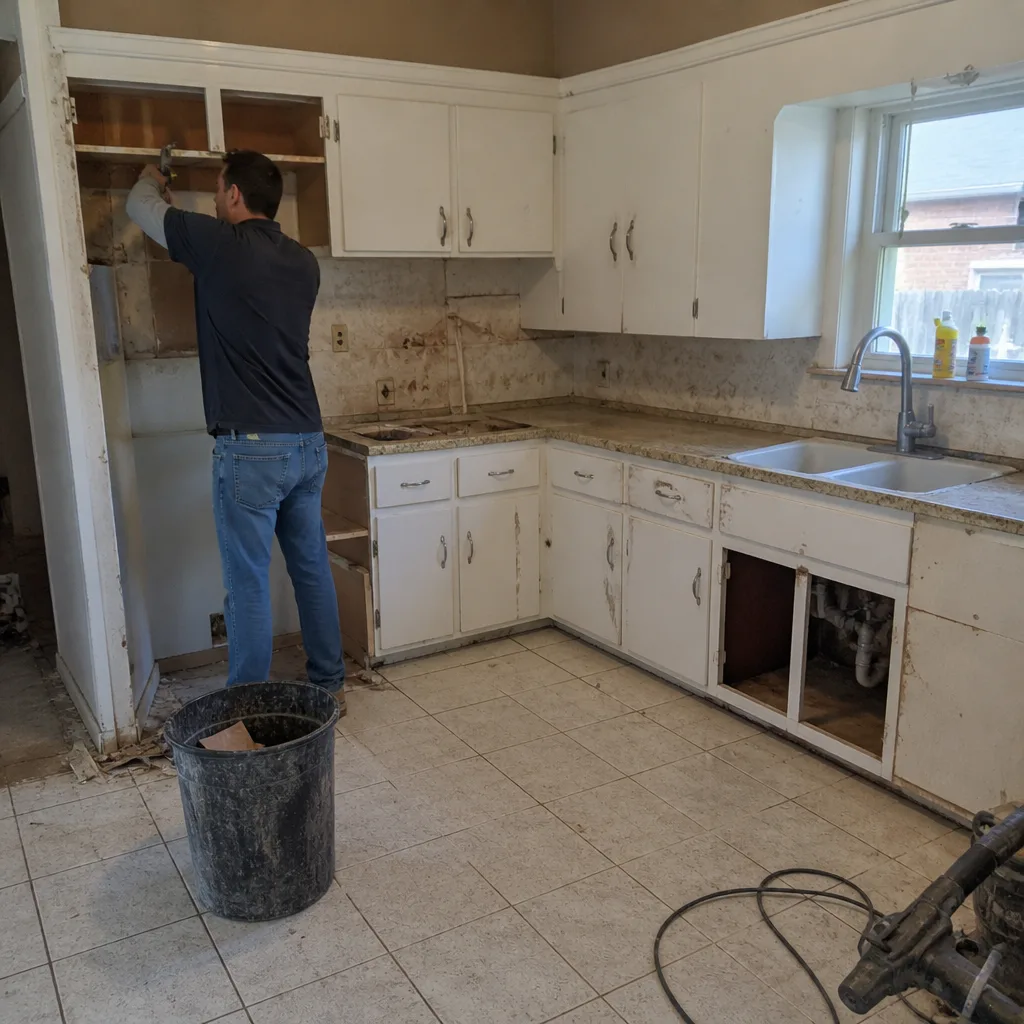 Before
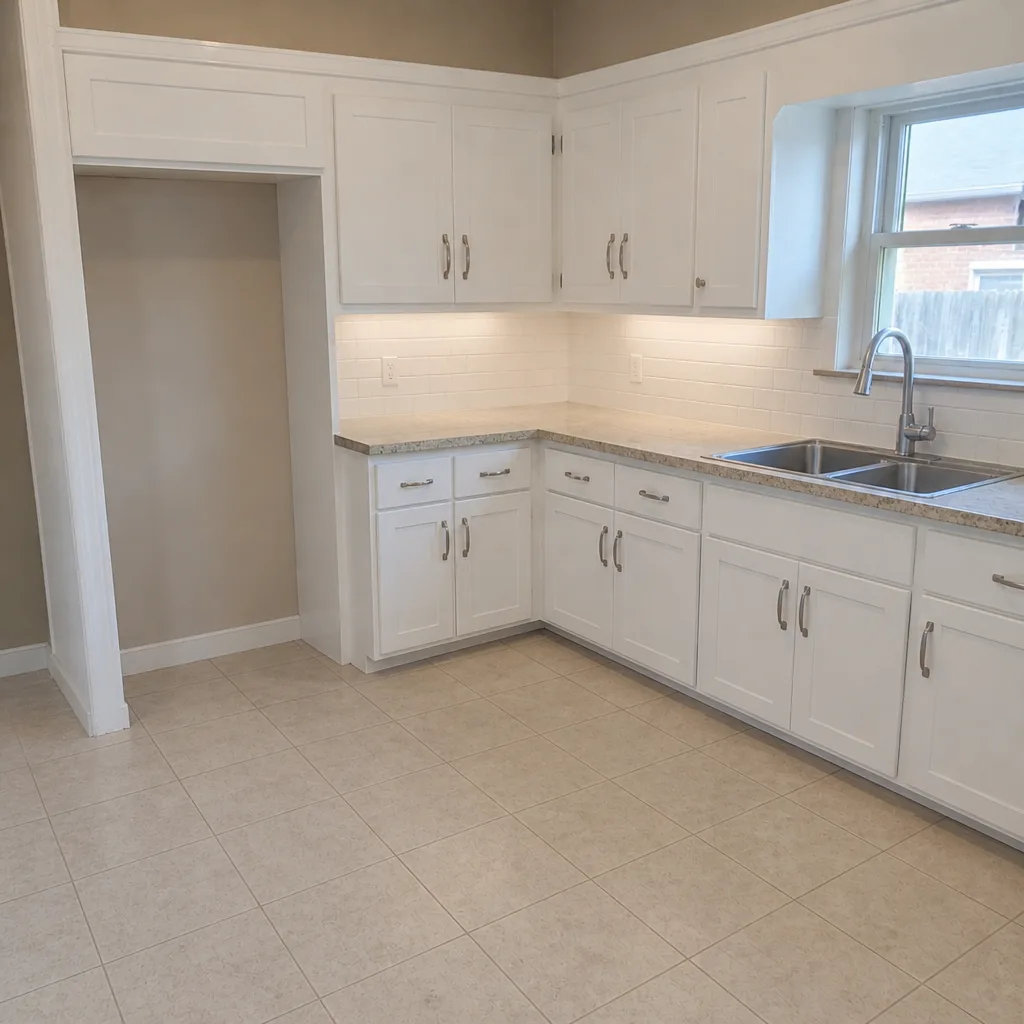 After
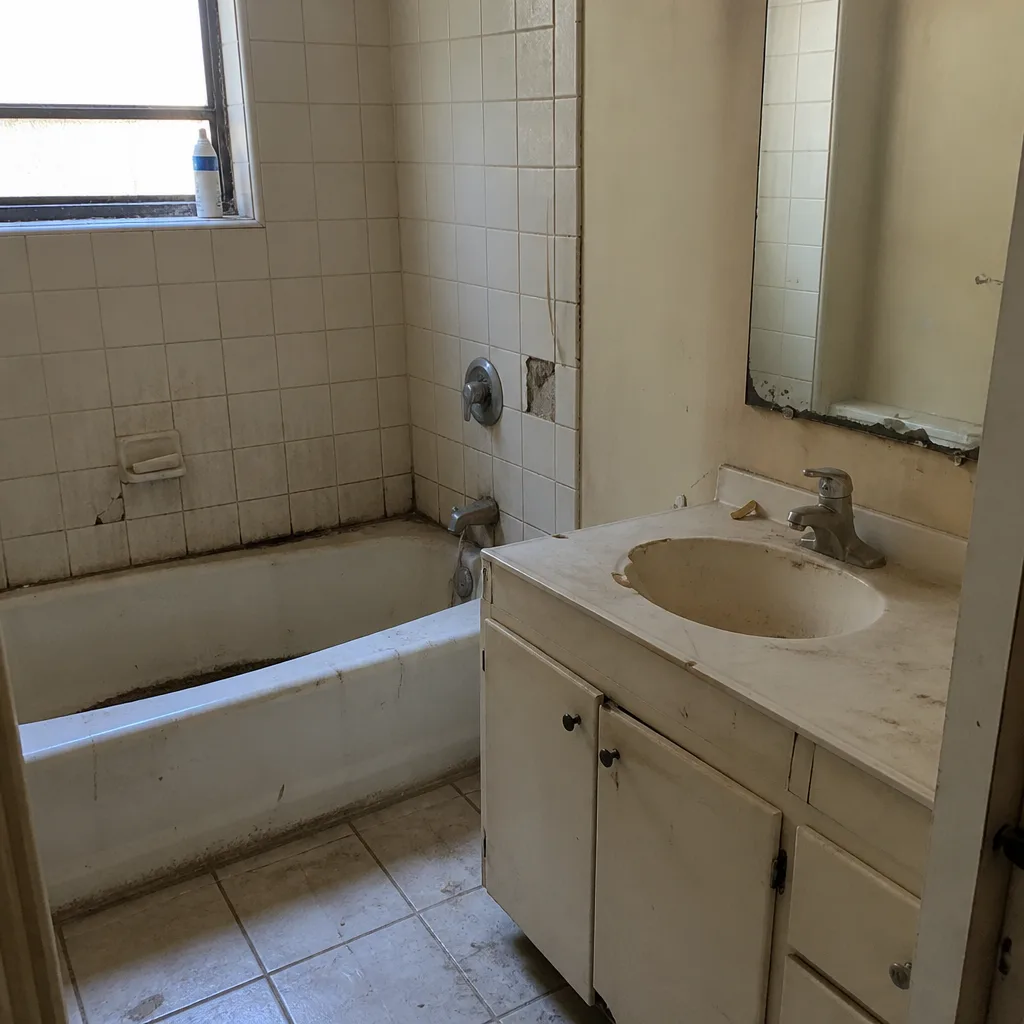 Before
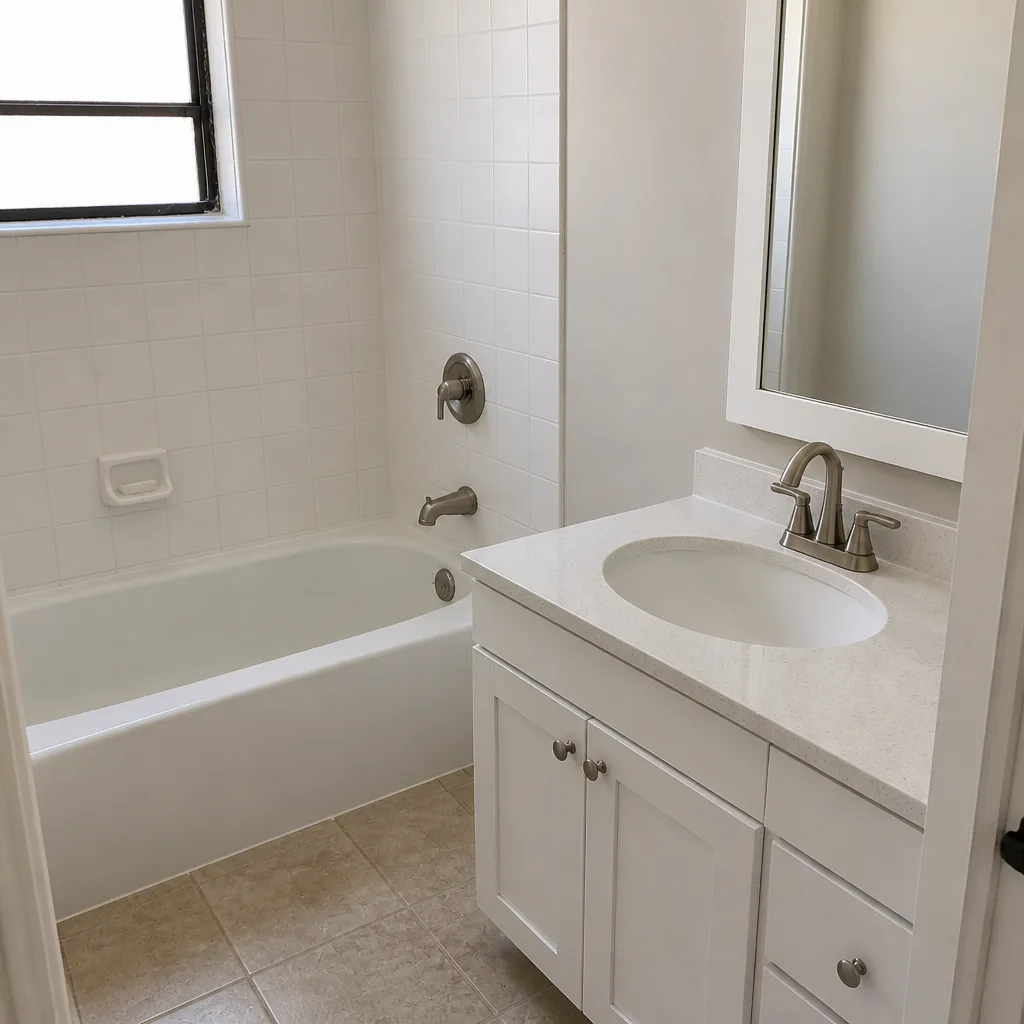 After
How Much Does Kitchen Island Installation Cost in McKinney?
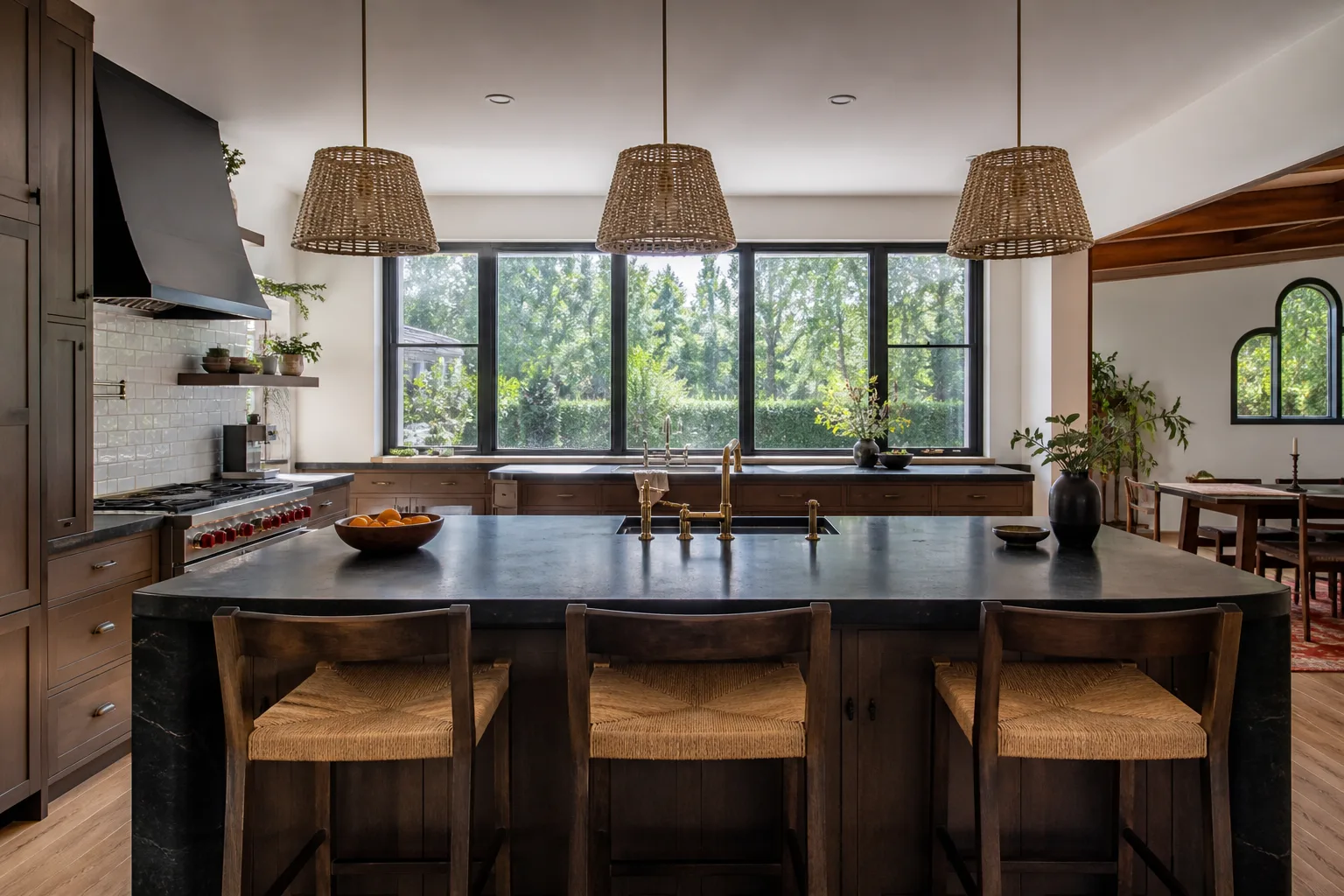
Kitchen island installation in McKinney typically costs $3,000 to $10,000. That range covers a standard island with a base cabinet, a stone countertop, and basic electrical work. A simple freestanding island lands near the low end, while a large island with custom cabinetry, a sink, and a built-in appliance sits near the high end. Every job gets its own written estimate, and that estimate sets the final price.
An island is one of those projects that changes how a kitchen actually works. It gives you prep space, a spot for people to gather, and extra storage that a galley layout never had. But it’s also a structural addition, not a piece of furniture. It needs proper support, a level surface, and, if you want outlets or a sink, a plan for running electrical and plumbing. That’s why the price swings so much. Here’s what you’re paying for in a McKinney kitchen and how to think about the numbers before you commit.
Key Takeaways
- Typical McKinney range: $3,000 to $10,000 for a complete island with countertop.
- A freestanding or stock-cabinet island sits at the low end; a large custom island with plumbing sits at the high end.
- Electrical and plumbing work add the most to labor, especially if the floor has to be opened up.
- Countertop material is the single biggest driver of the material budget.
- Free estimates, upfront pricing, and a written quote before any work starts.
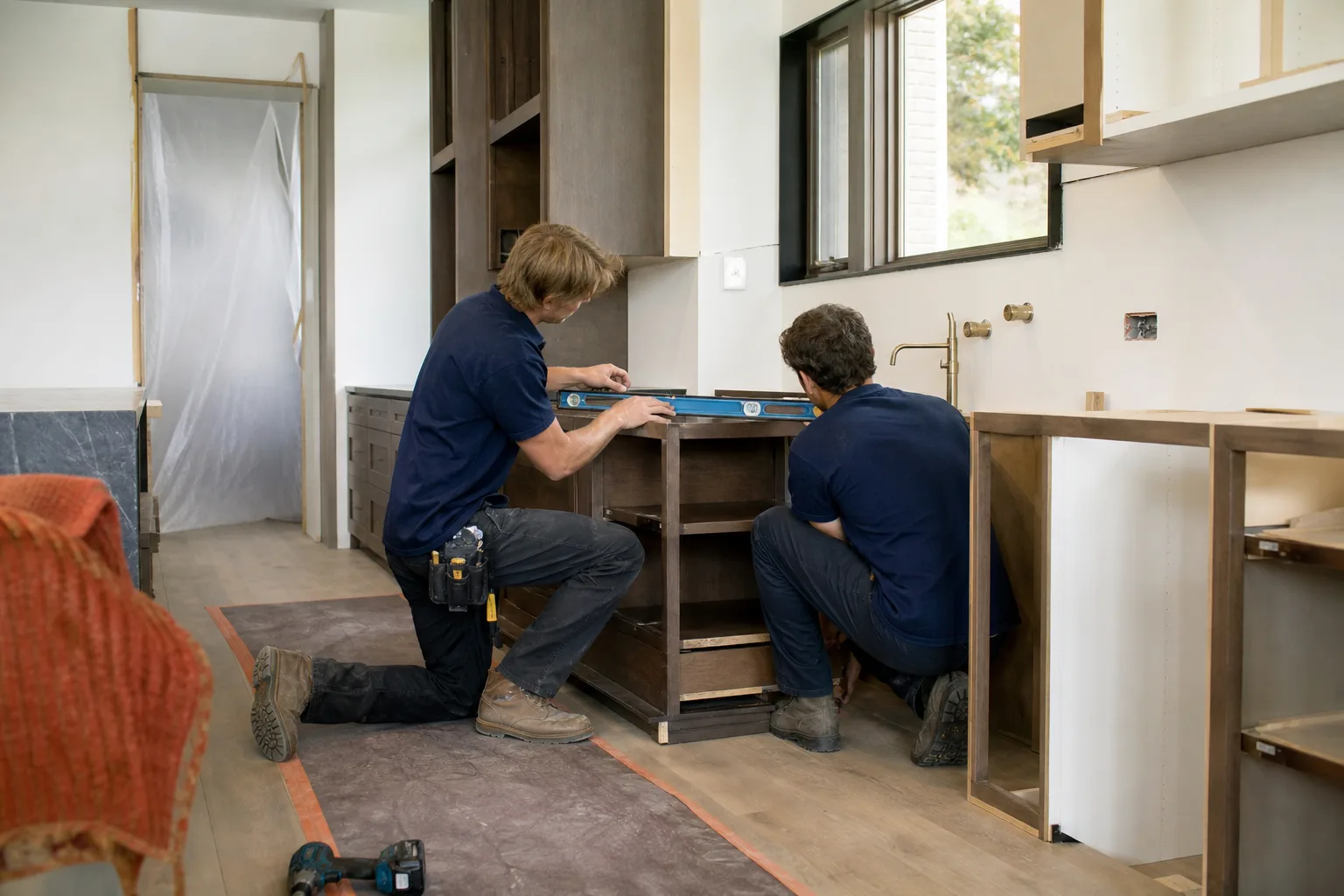
Kitchen Island Installation Cost Breakdown (2026)
Here’s how the money typically splits on a McKinney island project. These are estimated ranges for the 2026 market, and they’re broken out by the parts of the job that most often come up.
| Line Item | Typical Estimated Range |
|---|---|
| Base cabinet or island body (stock or semi-custom) | $800 – $2,800 |
| Custom cabinetry (KraftMaid, Wellborn, or similar) | $2,000 – $4,500 |
| Countertop, standard stone (Silestone, Caesarstone, Cambria) | $1,200 – $3,500 |
| Countertop overhang, edge profile, and fabrication | $300 – $900 |
| Electrical outlets and wiring | $250 – $800 |
| Plumbing (sink, faucet, drain, supply lines) | $400 – $1,200 |
| Island vent hood or over-island lighting | $300 – $1,200 |
| Delivery, assembly, and install labor | $400 – $1,000 |
Add those up and you’re in the $3,000 to $10,000 window most McKinney homeowners see. The bottom of that range is a box-store cabinet base with a basic countertop and no plumbing. The top is a built-to-order island with designer cabinetry, a premium stone top, a prep sink, and electrical. Most homeowners land somewhere in the middle, around $5,000 to $7,000, once they’ve chosen their cabinet line and countertop material.
The countertop is where budgets stretch fastest. A modest stone top keeps you close to $1,500, while a larger slab with a waterfall edge and a substantial overhang for seating can add a couple thousand on its own. If you’re pairing the island with other work, like new perimeter counters or a full kitchen remodeling project, the numbers combine and the written estimate covers all of it in one place.
What Affects Kitchen Island Installation Pricing in McKinney
No two McKinney kitchens are laid out the same, and the cost tracks those differences closely. Here are the factors that move the number the most.
1. Island Size and Footprint
A small 3-foot island and a 10-foot island with seating for four are very different jobs. Bigger footprints mean more cabinet boxes, more countertop material, more framing, and more labor. A long island also has to be level and square across its full run, which takes more careful setup.
2. Cabinet Quality and Line
A stock cabinet from a big-box store is a fraction of the cost of a semi-custom or custom line. Designer cabinetry like KraftMaid and Wellborn gives you more door styles, finishes, and interior options, and it costs more accordingly. The tradeoff is clear: stock gets you an island quickly, custom gets you exactly the look and storage you want.
3. Countertop Material
Engineered stone from Cambria, Silestone, or Caesarstone is a popular middle ground between laminate and natural stone. It’s durable, low-maintenance, and handles a busy McKinney kitchen well. You’ll also see higher costs for thicker slabs, waterfall edges, and larger overhangs. The material choice is usually the biggest single line on the estimate.
4. Electrical and Plumbing
If you want outlets on the island, or a sink with a faucet and drain, the job gets more involved. Running a circuit over to the island usually means working through the floor or ceiling, and a sink means getting into the plumbing. This is where costs can jump if the kitchen layout doesn’t make it easy. It’s also where having one contractor who understands the whole picture, not just the cabinet install, helps.
5. Over-Island Lighting and Ventilation
Pendant lights over the island are a common upgrade, and a vent hood over a cooktop island is more common than you’d think. Both involve electrical work, and a vent hood adds ducting. These add to the total but are often what makes an island feel finished.
6. Installation Access and Floor Type
Getting a large cabinet box and a heavy slab into the kitchen is its own job. Tile floors mean more care, and flooring that doesn’t run under the island can complicate the finish. Installers work with what’s there, and the estimate reflects the specific conditions of your home.
It’s tempting to think of an island as a standalone purchase. In practice, it’s part of your kitchen’s system. The cabinet installation around the island and the countertop installation on top of it all interlock with the rest of the room. Planning them together is usually cheaper and cleaner than doing them in separate phases.
How to Save on Kitchen Island Installation
You don’t have to spend the top of the range to get a great island. A few practical choices keep the cost down without giving up function.
- Stick with a standard size. Sizes that match available cabinet boxes and slab dimensions mean less fabrication waste and less custom labor.
- Choose engineered stone. Cambria, Silestone, and Caesarstone cost less than many natural stones and hold up better in a busy kitchen, so you’re not paying for something that needs more care.
- Plan electrical and plumbing early. Adding these later costs more. If your kitchen has the layout for it, include them in the first estimate.
- Skip the waterfall edge if budget is tight. It’s a beautiful detail, but a standard edge profile does the job and saves a chunk.
- Combine it with a larger project. If the island is part of a bigger renovation, doing it all at once saves on mobilization and lets your materials be measured and cut together.
The biggest lever is planning. A written estimate that includes the countertop, the cabinet line, and any electrical work shows you the whole number before you commit, so there are no surprises. Free estimates make that easy to get started. Call (844) 761-9152 and we’ll walk through the options for your McKinney kitchen.
If you’re also updating the wall behind the island, a new backsplash installation can tie the whole room together. Pairing your island with matching cabinetry and a slab that runs up the wall behind it is one of the most common looks McKinney homeowners ask for, and it’s cheaper to run those together than as separate projects.
What’s Included in a Typical Island Installation?
A complete installation covers more than setting a cabinet box on the floor. Here’s what a full project usually looks like.
- Planning and measurement. Confirming the island fits the space, the aisles are usable, and the layout works with your kitchen’s traffic.
- Base cabinet assembly and placement. Building and leveling the island body.
- Countertop templating and fabrication. Measuring for the stone top and having it cut and finished to fit.
- Electrical and plumbing. Outlets, lighting, and any sink or appliance connections.
- Countertop install and finishing. Setting the slab, sealing if needed, and cleaning up.
- Final walkthrough. Checking drawers, doors, outlets, and water connections before we call it done.
That full scope is what separates the $3,000 floor from the $10,000 ceiling. When you know exactly which steps are in the estimate, you can compare quotes fairly and understand what you’re paying for.
Does the Countertop Material Really Change the Price That Much?
Yes, more than almost any other choice. A laminate or butcher-block top might cost a few hundred dollars, while a full slab of engineered stone for a large island can run $2,000 to $3,500 installed. The stone is durable, resists stains and heat, and doesn’t need periodic sealing. On a McKinney island that gets daily use, that’s money well spent for most households. If budget is the priority, choosing a smaller slab or a simpler edge profile keeps the stone within reach. Cambria, Silestone, and Caesarstone all offer good options for a range of price points.
Is a Custom Island Worth the Extra Cost?
It depends on how long you plan to stay and how much storage you need. A custom island with KraftMaid or Wellborn cabinetry costs more up front, but it gives you a built-in look, storage designed around your kitchen, and a finish that matches the rest of your cabinets. If your island is the centerpiece of an open-plan kitchen, it’s often worth the extra spend. If you want a functional island on a tighter budget, a stock cabinet with a solid stone top gets you 90% of the way there for less.
Can You Install an Island with a Sink or Cooktop?
Yes, and lots of McKinney kitchens do it. A prep sink or a small cooktop on the island is a popular upgrade. The cost depends on whether the plumbing and gas or electrical lines can run easily from the existing setup. A sink usually adds $400 to $1,200, and a cooktop or vent hood adds $300 to $1,200 depending on the ducting. The earlier you plan these in, the smoother the install.
What About Matching Your Island to Existing Cabinets?
That’s one of the most common questions we hear. If your existing cabinets are a standard line still available, matching is straightforward. If they’ve been discontinued, we can often come close with a sem-custom line, or intentionally contrast the island as a design choice. Many homeowners pair a painted island with natural wood perimeter cabinets on purpose. Either way, the cabinet line and finish are decided before the estimate, so the price is clear from the start.
How Long Does Island Installation Take?
Most standard island projects are a multi-day job, not a single visit, mainly because the countertop has to be templated and fabricated off-site. The install itself is usually a day or two once materials are ready. Complex islands with plumbing and electrical take longer. We’ll give you a timeline with the written estimate so you can plan around it.
FAQs – Kitchen Island Installation Cost
What is the average cost of a kitchen island in McKinney?
Most McKinney homeowners spend between $3,000 and $10,000 on a kitchen island, with $5,000 to $7,000 being the most common range for a standard island with a stone countertop. That includes the cabinet base, the countertop, and basic installation. The written estimate sets the exact price for your kitchen. Call (844) 761-9152 for a free quote.
Is it cheaper to build an island or buy a freestanding one?
A freestanding island costs less up front, often under $1,000, but it doesn’t give you built-in storage, matching counters, or electrical connections. For a permanent centerpiece that works with your kitchen, a built-in island in the $3,000 to $10,000 range is the better long-term value. If you want to test the layout first, a freestanding option is a fine starting point.
Do I need a permit for a kitchen island in McKinney?
Most simple islands with no new plumbing or wiring don’t require a permit. If you’re adding a sink, a new electrical circuit, or a gas cooktop, the work usually needs to be inspected. Permits are handled through the city, and we can tell you what your specific job will need when we give you the estimate. Call (844) 761-9152 to sort out the details.
Can you install a kitchen island in a small kitchen?
Yes, and it’s often the best use of space. A compact island with a single cabinet base and an overhang on one side can fit a 7- or 8-foot kitchen. Pricing for a small island starts near the $3,000 floor of the range. If space is tight, a peninsula attached to a wall or existing cabinet run is another option we can talk through.
How much more does it cost to add a sink to an island?
Adding a prep sink, faucet, and drain to a McKinney island typically adds $400 to $1,200. The variable is where the plumbing runs and whether the floor has to be opened. If you’re already planning a larger remodel, include the sink in that phase and the cost is usually lower than adding it later. Call (844) 761-9152 for a free estimate that covers the plumbing.
Why Homeowners Choose One Contractor for the Whole Kitchen
An island touches nearly every trade in a kitchen: cabinetry, countertops, electrical, plumbing, and sometimes flooring or lighting. Juggling separate contractors for each piece means coordinating schedules, chasing down measurements, and hoping everyone’s specs match. Working with a single team that handles the whole scope keeps those parts aligned and gives you one written estimate covering the full job.
We work across the full range of residential projects, from construction McKinney work on additions and structural changes to kitchen and bath remodels, window installation, roofing, fencing, and pavers. That breadth means the person quoting your island also understands how it fits with the rest of your home. Our technicians have up to 10 years of experience, and we’re licensed, insured, and committed to showing you exactly which brands and materials are going into your kitchen.
We also work with an extensive portfolio of brand partners. Designer cabinetry from KraftMaid and Wellborn, engineered stone from Cambria, Silestone, and Caesarstone, and fixtures from Kohler, Grohe, and Toto are all on the table. You choose the product, not the other way around. To understand what your project will cost, it helps to look at the countertop installation cost in McKinney alongside the cabinet budget, since those two line items usually decide whether you land near $3,000 or $8,000.
Getting a Written Estimate in McKinney
The cleanest way to know your number is to get a written estimate that covers the whole job. We’ll look at your space, talk through cabinet and countertop options, and confirm what electrical or plumbing work you want. You’ll see line items, not a lump sum, so you can adjust the scope and see how the price moves.
If your island is part of a larger kitchen plan, we can estimate that too. A full kitchen remodel in McKinney runs $14,000 to $45,000, a small kitchen remodel lands around $9,000 to $20,000, and cabinet installation alone is $4,000 to $13,000. Seeing those numbers together helps you decide what to do now and what can wait.
Call (844) 761-9152 for a free estimate. We answer 24/7. Fast dispatch from 7am to 7pm, Sunday through Friday. We’ll talk through your kitchen, your budget, and the options that fit both, then put it in writing.
Explore Related Kitchen Services
- kitchen remodeling in McKinney for a full kitchen overhaul
- countertop installation for your island and perimeter counters
- cabinet installation for matching or custom cabinetry
- backsplash installation to finish the wall behind the island
Pricing reflects the McKinney market as of 2026. Construction McKinney offers free estimates – call (844) 761-9152.
Written by the team at Construction McKinney.
What Our Customers Say
"Every inspection passed first time. The building department clearly knows him and that made the whole process easier."
- Tracy Lawson"Quality construction and a professional operation. Communication was strongest at the site meetings, and slower by email in between."
- Danielle Hoffman"The framing was meticulous and the walls are straight everywhere. Drywall goes on a lot better when the framing is right."
- Travis Reed