
Last updated November 17, 2026








Free written scope consultation - allowances, timeline, and change-order rules on paper before a single trade is scheduled
How to Hire a Construction Contractor in McKinney: A Step-by-Step Guide
Most advice about hiring a contractor focuses on vetting the person. That’s the second problem, not the first. The first problem is your scope. Three bids on the same McKinney patio addition can land at wildly different numbers not because one contractor is dishonest, but because each one priced a different project. No written scope means every bidder fills in the blanks their own way, and the low number usually describes the least work. This guide walks you through building a bid-ready project document before you contact anyone, then verifying the contractor against Texas records, then writing a contract that protects your money. By the end you’ll be able to compare bids that actually describe the same job.
Quick Answer
To hire a construction contractor in McKinney, write a one-page scope that fixes materials, brand specs, and disposal responsibilities, then request three written bids against that exact document. Verify the contractor’s registration through the Texas Department of Licensing and Regulation (TDLR) where applicable, confirm that licensed trades like electrical, plumbing, and HVAC appear on subcontractor paperwork, and check the contractor’s permit history through the city’s public portal. Finally, sign a contract with a milestone-tied draw schedule, conditional lien waivers, and a defined substantial completion standard.
Styles & brands we work with
- Kitchen remodeling
- Bathroom remodeling
- Home additions & ADU
- Roofing
- Windows & doors
- Driveway & pavers
- Fence
Table of Contents
- Step 1: Write the One-Page Scope Document
- Step 2: Lock Down Materials and Brand Specs
- Step 3: Verify Licensing the Texas Way
- Step 4: Spot the Storm-Chaser Red Flags
- Step 5: Read a Contractor’s Permit History
- Step 6: The Contract Clauses That Matter in Texas
- Step 7: Compare Bids Apples to Apples
- What Different McKinney Projects Actually Require
Step 1: Write the One-Page Scope Document
A scope document is a single page that tells every bidder exactly what to price. It’s the difference between comparing three contractors and comparing three unrelated projects. One page is enough. Longer than that and contractors skim it, which defeats the purpose.
Here’s what belongs on it:
- The outcome in plain words. Not “update the bathroom” but “replace tub with a tiled shower, keep the existing footprint, move the vanity to the opposite wall.”
- Dimensions and quantities. Square footage of tile, linear feet of fence, number of windows. Numbers remove ambiguity.
- Material grade and brand. “Mid-grade porcelain tile” invites three different products. “Schluter waterproofing system under 12×24 porcelain” gives every bidder the same spec.
- Who removes and disposes of what. Debris hauling and dumpster placement are the most commonly dropped line items. Name them.
- What’s excluded. If you’re keeping the existing vanity, say so. Otherwise one bidder prices a new one and another doesn’t.
- Who pulls the permit. In McKinney, most structural and trade work requires one. State that the contractor pulls it and that the cost appears as a line item.
- Your target start window. A season, not a date. It helps bidders sequence crews and tells you whether they’re booking out.
Hand the same page to every bidder. When bids come back, you’ll finally see where the differences actually are, and you can ask each contractor to explain a specific line instead of a vague total. That conversation alone filters out contractors who never read the scope. For larger remodels that touch multiple trades, our Construction McKinney team builds scope documents as part of the estimate process, because multi-trade projects fall apart when each trade prices from a different assumption.
Step 2: Lock Down Materials and Brand Specs
Brand names in your scope are not snobbery. They’re the fastest way to make bids comparable. “Premium cabinets” is a phrase, not a spec. “KraftMaid cabinetry in a shaker door” is a spec. The same logic applies across every material category.
Here’s where homeowners get burned most often:
- Cabinets and countertops. Cabinet lines vary enormously in box construction and hardware quality. Naming the line, like KraftMaid or Wellborn, and the countertop surface, like Cambria, Silestone, or Caesarstone, removes the guesswork. Each brand has its own colorway and edge options, so specify those too.
- Fixtures. A shower valve from Grohe and a builder-grade valve look identical behind the wall and behave nothing alike. Kitchen and bath projects draw from competing fixture brands so you choose the product, not the other way around.
- Waterproofing. Behind every good tile job is a system like Schluter that most bids don’t mention. Ask directly whether it’s included. The answer tells you a lot about how the contractor thinks.
- Roofing. Manufacturers like GAF, CertainTeed, and Owens Corning each publish their own warranty terms. Specifying the manufacturer and product line lets bidders price equivalent systems and lets you compare warranties honestly.
You don’t need to name brands in every category. Pick the two or three that matter most to you and put them in writing. For the rest, specify a grade tier and ask bidders to list their proposed product on the bid. That way every number has a name behind it.
Step 3: Verify Licensing the Texas Way
Texas does not license general contractors statewide. That surprises people. What Texas does regulate is specific trades, and understanding that split is how you protect yourself.
Here’s the division of responsibility:
- The TDLR licenses specific trades. Electrical, plumbing, HVAC, and several specialty trades fall under TDLR. You can look up an individual license on the TDLR website in a few minutes. Do it for the people doing the regulated work, not just the general contractor.
- General contracting itself is largely registration and contract law. Municipalities like McKinney regulate construction through permits and inspections rather than through a state general contractor license. That means your permit record is your compliance record.
- Subcontractor paperwork is your safety net. Ask for the names of the licensed trade subcontractors who’ll work on your project. If a contractor can’t name them or won’t put them in writing, that’s a problem. Licensed electrical and plumbing work must be done by licensed people, and the paperwork should reflect it.
Also ask for a certificate of insurance before work begins. General liability and workers’ compensation coverage are the two that matter. Call the insurer to confirm the policy is active rather than trusting a photocopy. Any contractor who resists that step is telling you something.
Step 4: Spot the Storm-Chaser Red Flags
After a major hail or wind event in Collin County, out-of-town crews show up offering fast roof and exterior repairs. Some do good work. Many don’t, and they’re gone before the first warranty claim. The difference is knowable if you know what to check.
Red flags to watch for:
- No verifiable local history. Ask for the business’s physical address and search it. Ask how long their crews have worked in the area. A company with no traceable local footprint is a risk, however friendly the pitch.
- Pressure to sign before you’ve seen a written scope. Legitimate contractors expect you to compare. Urgency is a sales tactic, not a scheduling reality.
- Offers to “handle your insurance for you.” A contractor can work with your insurer, but you should be the one filing the claim and reading the settlement. Anyone who wants total control of that conversation is a problem.
- No permit pulled. If the work requires a permit, the permit history is public. A contractor who skips permits leaves you holding the problem at resale.
- Requests for large upfront cash. A reasonable deposit is normal. Paying the whole job upfront is not, and cash-only arrangements leave no paper trail.
The reverse is also worth checking. Established local companies will happily give you references, show you permit records, and put warranties in writing. If you’re comparing exterior work after a storm, our guide to fence installation covers what a proper exterior scope looks like in this market.
Step 5: Read a Contractor’s Permit History
This is the step almost nobody takes, and it’s the one that reveals the most. A contractor’s permit record shows whether they pull permits consistently or only when a homeowner insists. That pattern tells you how they’ll behave on your job.
Most cities, including McKinney, maintain a public permit portal. You can search by address or by contractor name. Here’s what to look for:
- Consistency. A contractor with a steady stream of permits over several years is doing permitted work as standard practice. One with a spotty record is not.
- Correct scope. Did the permit match the work described? A permit for a “fence” that was actually a full structural remodel is a warning sign.
- Inspection results. Failed inspections happen to good contractors, but repeated failures on the same type of work suggest a systemic problem.
- Open permits. An unclosed permit on your property can complicate a future sale. Ask for the permit number and confirm it’s in the system before final payment.
When you get a written estimate, ask whether permits are included as a line item and who pulls them. If the answer is anything other than “we do,” push back. In our experience, the contractors who pull permits and pass inspections as routine are also the ones who write honest scopes.
Step 6: The Contract Clauses That Matter in Texas
Your contract is the document that decides who eats the cost when something goes sideways. Most homeowners skim it. Instead, read these five clauses closely and negotiate the ones that feel vague.
- Draw schedule tied to milestones. Payment should follow completed, inspectable work, not a calendar. A “20% at start, 40% at framing” schedule is fine. “50% at signing” is not.
- Conditional lien waivers. Texas lien law is powerful, and a subcontractor who isn’t paid can file a lien against your property even if you paid the general contractor. Require a conditional lien waiver from each subcontractor at each draw so your property stays clean.
- Defined substantial completion. “Substantial completion” is the legal standard that triggers final payment and starts the warranty clock. Spell out what it means in your contract: final inspection passed, punch list complete, debris removed. Vague definitions favor the contractor.
- Change order process. All changes must be in writing, priced, and signed before the work happens. No verbal changes, ever.
- Warranty terms in writing. Labor warranty and manufacturer warranty are different things. Get both in writing, with what’s covered and what voids coverage.
Also confirm the contract names the licensed trade subcontractors and requires the contractor to pull the permits. Those two clauses together close most of the risk gaps homeowners run into. If a project is large enough to involve an home additions & ADU structure, ask how the contract handles structural engineering review alongside the general scope.
Step 7: Compare Bids Apples to Apples
With a written scope and three bids in hand, comparison gets easy. The goal is not the lowest number. It’s the bid that prices the same work as your scope with a believable, defensible assumption set.
Here’s the comparison method:
- Line up the line items. Put the three bids side by side. Where one bid omits an item from your scope, note it. Where one includes something the others don’t, note that too.
- Flag the departures. Any bid that substituted a different material or skipped a scope item gets compared on the scope, not on the price.
- Ask for the reasoning. If one bid is materially lower, ask what assumption makes it lower. A good contractor will explain. A bad one will get defensive.
- Check the timeline against the scope. A bid promising to finish a full kitchen remodel in half the time of the others is either very organized or not counting the same work.
- Trust the middle when it’s well explained. The low bid without explanation and the high bid without explanation are both suspect. The bid that explains its number is usually the right call.
Compare the written estimates, not the phone conversations. A written line-item quote is the standard you’re entitled to, and it’s the only version of a bid you can hold a contractor to later.
What Different McKinney Projects Actually Require
Different project types carry different hiring risks. A roof replacement is largely about materials and warranty. A bathroom remodel is about scope discipline and waterproofing. Knowing which risks apply to your job tells you which questions to prioritize.
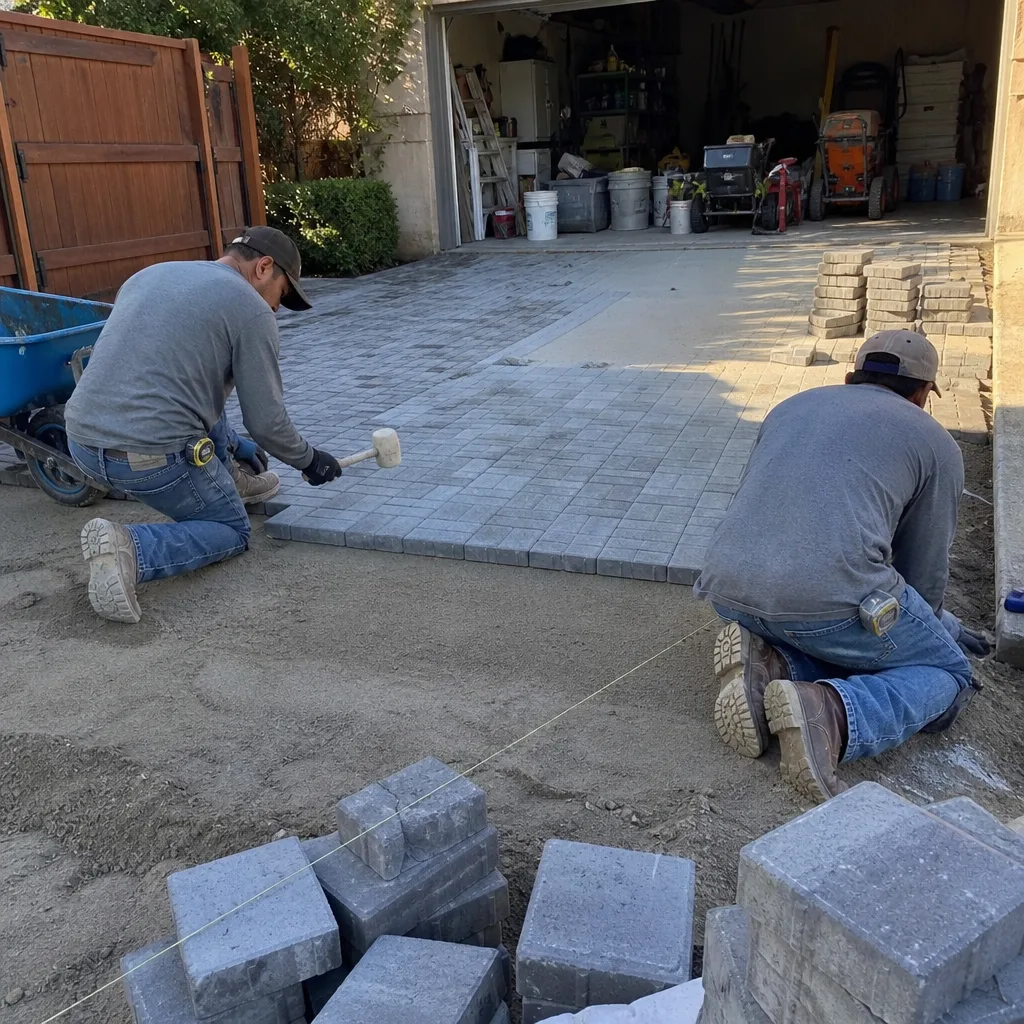
North Texas weather shapes the exterior work here. Hot summers and sudden hail events push roofs and windows hard. For roofing, ask which manufacturer’s system is specified and compare the warranty each offers. For windows and exterior doors, ask about product-specific performance for this climate. For driveways and patios, ask about base preparation, because a paver that wasn’t laid on a proper base will shift within a season or two. Our guide to driveway & pavers goes deeper on base work, grading, and the questions to ask before a paver bid goes into writing.
Interior projects follow a different logic. Kitchens and bathrooms are where scope discipline matters most. Fixtures, cabinet lines, countertop surfaces, and waterproofing all need to be specified before bids, not after. Any contractor who wants to “pick that up later” is handing you an opening for change orders.
For additions and accessory dwelling units, the scope gets bigger and the contract gets more important. Whether you go with traditional site-built construction or a prefab system, ask about permit responsibilities, inspection sequencing, and how the foundation connects to the existing structure. One contractor who can coordinate the whole build is usually simpler than three trades reporting to you.
Common Mistakes to Avoid
- Accepting verbal scope. A verbal scope means every bidder prices a different job. Put the scope on one page, share it with every bidder, and compare bids against it.
- Skipping the permit check. Homeowners rarely look up permit history, and it’s the single best signal of how a contractor actually operates. Five minutes in a public portal tells you more than a testimonial will.
- Paying too much upfront. A deposit is normal; paying half the job before demolition starts is not. Tie draws to inspected milestones with conditional lien waivers.
- Ignoring Texas lien law. A subcontractor you never met can file a lien against your property if the general contractor didn’t pay them. Require conditional lien waivers at every draw.
- Letting “substantial completion” stay undefined. The phrase means whatever the contract says it means. Define it, in writing, before you sign.
- Shopping on price alone. The lowest bid usually reflects a different scope, not a better price. Compare scope, materials, permits, and warranty before comparing totals.
- Trusting brand names without specs. “Premium cabinets” tells you nothing. Get the specified cabinet line, countertop brand, and fixture models in writing before the contract is signed.
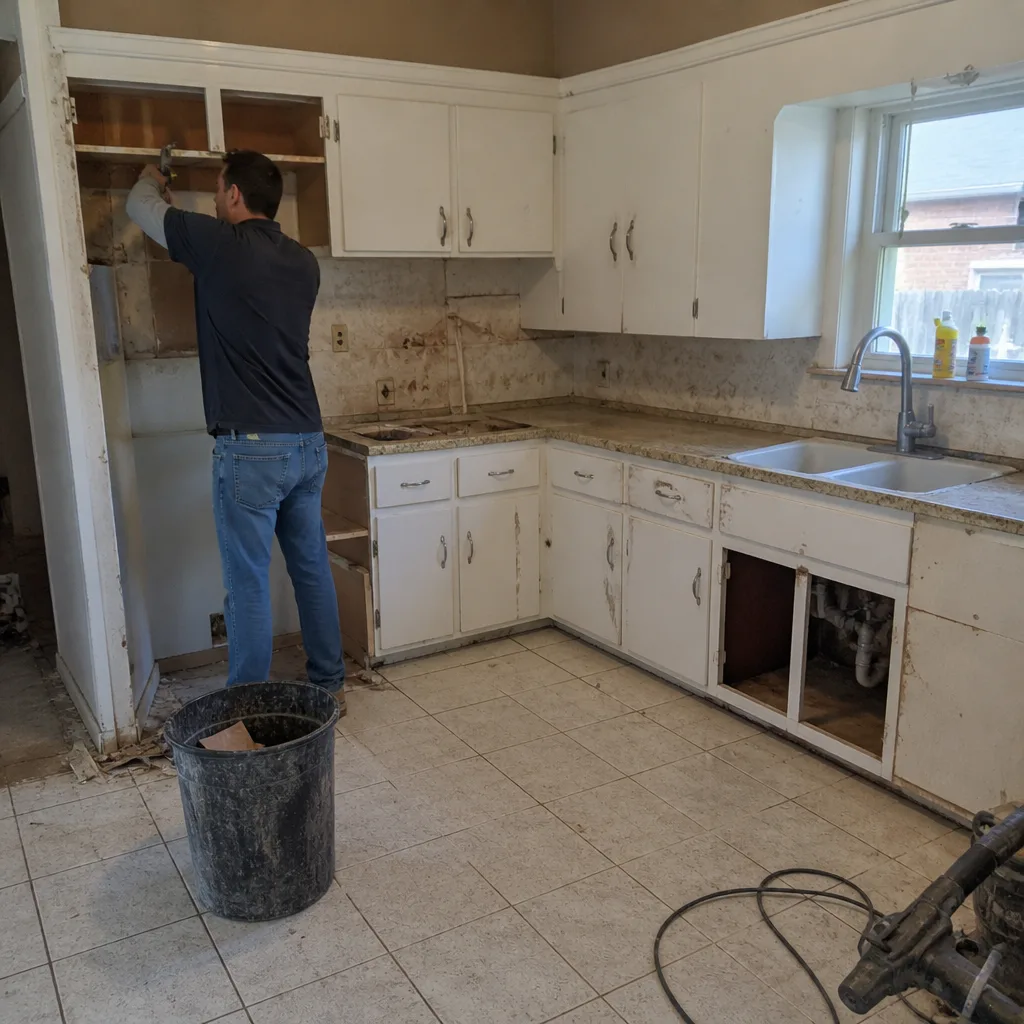
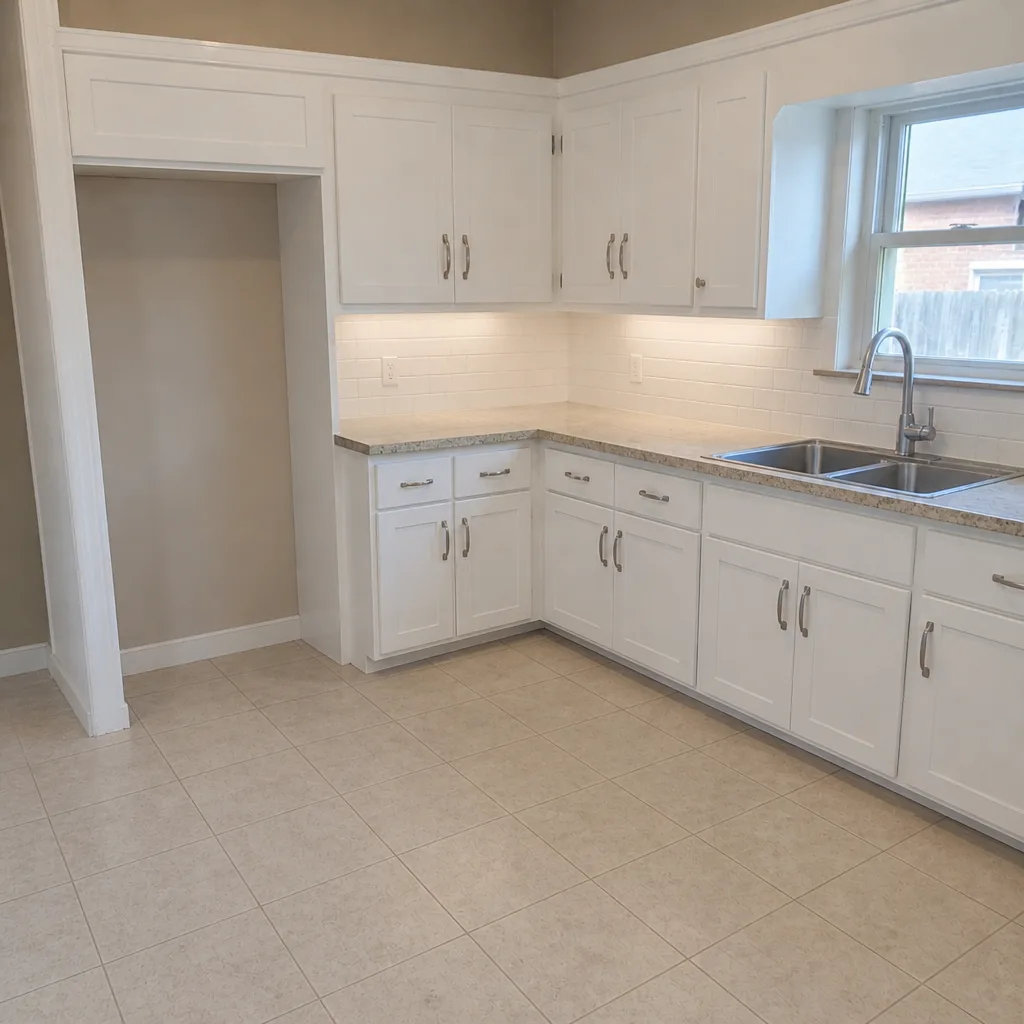
See the difference
 Before
 After
 Before
 After
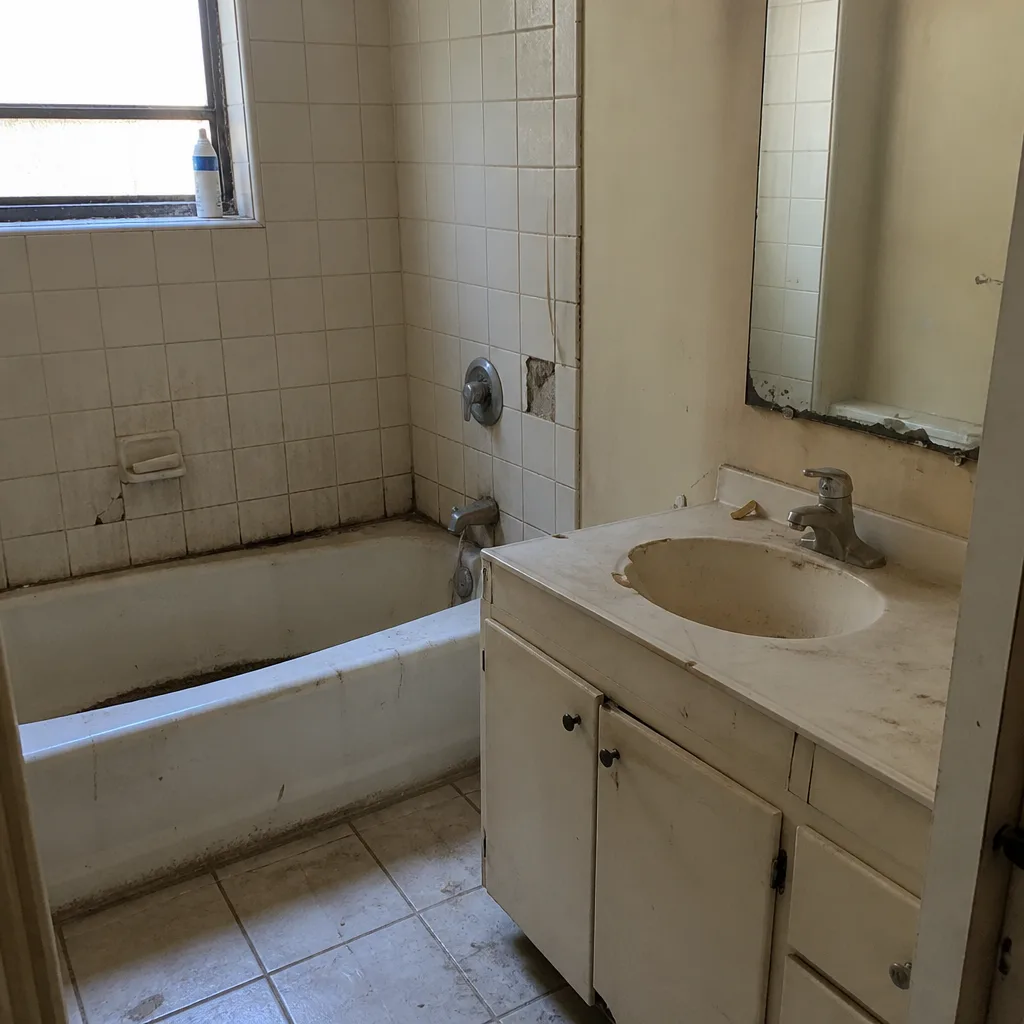 Before
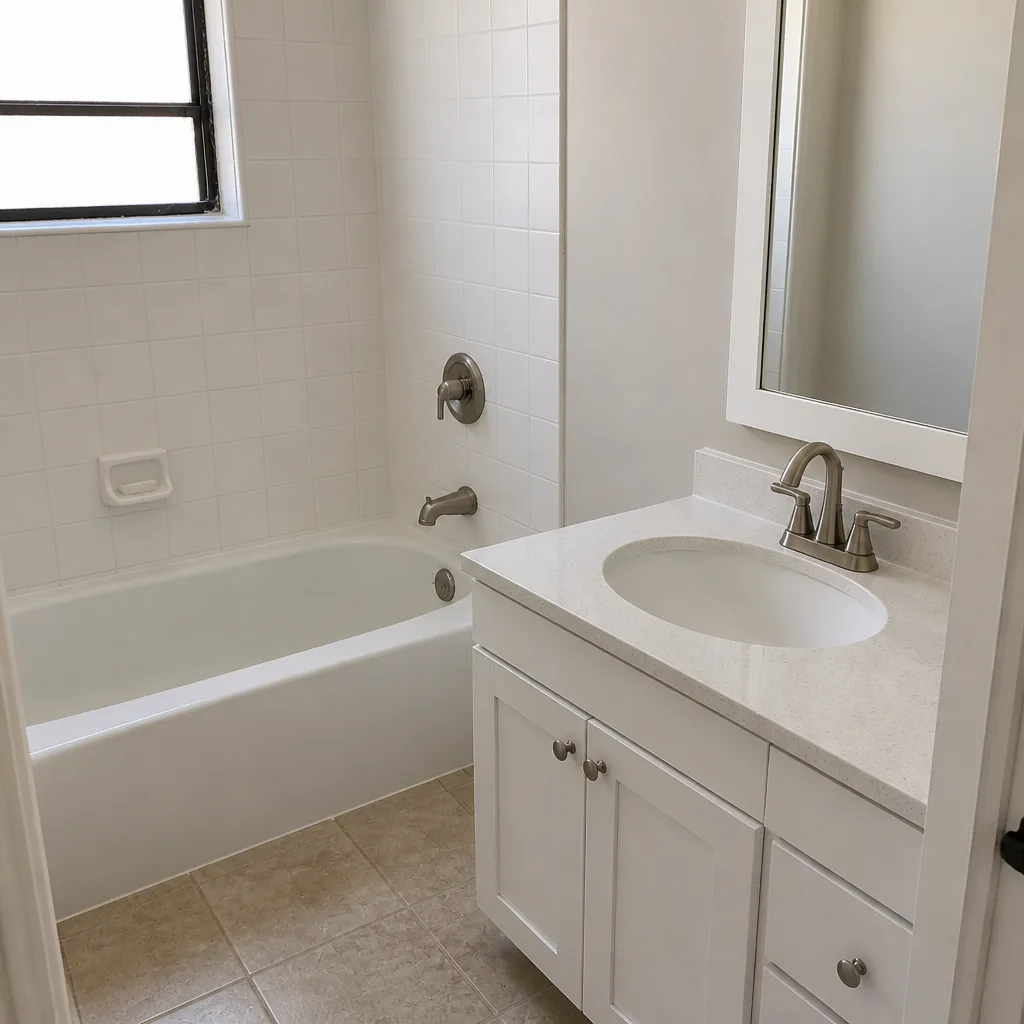 After
When to Call a Professional
Some work is fine for a homeowner. Most projects that touch structure, water, or electricity are not. Call a professional when the work involves structural alterations, moving plumbing or gas lines, electrical panel changes, roof replacement, window and door replacement, waterproofed wet areas, or any addition that adds square footage. Call a professional any time you need a permit pulled and inspections passed, and any time your project spans more than one trade.
Construction McKinney offers free estimates in McKinney and builds the scope document as part of the estimate process. Our technicians have up to 10 years of experience, and they work across kitchens, bathrooms, roofing, windows, doors, driveways, pavers, and additions under one contractor relationship, so you’re not the one coordinating between trades. Call (844) 761-9152. We answer 24/7. Fast dispatch from 7am to 7pm, Sunday through Friday.
Frequently Asked Questions

Keep it to one page and include seven things: the outcome in plain words, dimensions and quantities, material grade and brand specs, who handles removal and disposal, what’s excluded, who pulls the permit, and your target start window. Give every bidder the identical document so bids describe the same work. Call (844) 761-9152 for help drafting yours – estimates are free.
No. Texas does not license general contractors statewide, so verification happens at the trade and municipal level. Specific trades like electrical, plumbing, and HVAC are licensed through the Texas Department of Licensing and Regulation, and you should verify those license numbers on the TDLR website. The general contractor’s compliance record is the permit history through the city’s public portal.
Most cities, including McKinney, maintain a public permit portal where you can search by contractor name or property address. Look for consistency across several years, permits that match the actual scope of work, inspection results, and any open permits on your property. A contractor with a spotty permit record is telling you something. Call (844) 761-9152 for a free estimate and we’ll walk you through what a proper permit plan looks like.
At minimum: a draw schedule tied to completed milestones, conditional lien waivers from each subcontractor at each draw, a defined substantial completion standard, a written change order process, and warranty terms in writing. Also require the contract to name the licensed trade subcontractors and confirm who pulls permits. These clauses close the biggest risk gaps homeowners face.
Look for no verifiable local history, pressure to sign before a written scope exists, offers to “handle your insurance for you,” no permit pulled, and requests for large upfront cash. Established contractors expect you to compare bids and will happily show references, permit records, and written warranties. The reverse is a red flag.
Because they usually aren’t for the same project. Without a written scope, each bidder fills in the blanks differently – different materials, different disposal assumptions, different permit handling. The fix is a one-page scope handed to every bidder. Compare scope, materials, permits, and warranty before comparing totals. Call (844) 761-9152 for a free estimate written against a fixed scope.
Often yes, especially any time plumbing, electrical, or structural work is involved. Permit rules vary by scope, so ask the city’s building department about your specific project, and confirm in writing that your contractor pulls that permit as a line item in the bid. A written, line-item quote with permits included is the standard to hold every bidder to.
It shouldn’t if the scope was written properly. A written line-item estimate with a defined change order process means the only additions come from changes you approve in writing. Any contractor who won’t put a fixed price against a written scope is not giving you a price; they’re giving you an opening. Call (844) 761-9152 – the estimate is free and the written estimate sets the final price.
The Bottom Line
Hiring a construction contractor in McKinney is a scoping problem first and a vetting problem second. Write the one-page scope, specify your materials and brand lines, and hand the same document to every bidder. Then verify what the contract and permit record actually say about the contractor: TDLR license numbers for the trades, permit consistency through the city portal, conditional lien waivers at each draw, and a defined substantial completion standard in writing. A contractor who answers all of that in writing is one you can work with. If the answers stay vague, walk. One contractor, every phase, starts with one honest scope.
Construction McKinney offers free estimates and written line-item quotes on every project. Call (844) 761-9152. We answer 24/7. Fast dispatch from 7am to 7pm, Sunday through Friday.
Written by the team at Construction McKinney.