Last updated November 17, 2026







Free written scope consultation - allowances, timeline, and change-order rules on paper before a single trade is scheduled
Seasonal Construction Care for McKinney: Year-Round Homeowner’s Guide
Most home maintenance advice you’ll find online was written for a climate that either freezes hard all winter or stays warm all year. McKinney isn’t either one. We get long stretches above 100°F in summer and a handful of sharp freezes in January and February, and that combination stresses roofing, caulk, concrete, and wood trim in ways a purely hot or purely cold climate never would. The work you do in the shoulder seasons (October and March especially) is what decides whether those extremes become damage or just a few inconvenient weekends. This guide walks through a full seasonal calendar built around how McKinney homes actually age.
Quick Answer
A year-round construction care schedule for a McKinney home centers on four checkpoints: an April – May pre-summer inspection of roof flashing, caulk, and concrete joints; a June storm-season check of gutters, downspouts, and foundation drainage; an October fall pass on window caulk, wood trim, and driveway sealing; and a December – January freeze prep for exposed pipes, hose bibs, and exterior wood. Handle those four windows and most of what North Texas weather throws at a house stays cosmetic rather than structural.
Styles & brands we work with
- Kitchen remodeling
- Bathroom remodeling
- Home additions & ADU
- Roofing
- Windows & doors
- Driveway & pavers
- Fence
Table of Contents
- Why McKinney Homes Wear Differently Than National Guides Assume
- Spring Checklist (March – May): Pre-Summer Prep
- Storm Season Prep (June – August): Water Management First
- Fall Tasks (September – November) Most McKinney Homeowners Skip
- Winter Freeze Prep for a Climate That Freezes Rarely but Hard
- How to Document Seasonal Inspections for Insurance and Resale
- When Seasonal Work Turns Into a Construction Project
- Common Mistakes to Avoid
- When to Call a Professional
- Frequently Asked Questions
Why McKinney Homes Wear Differently Than National Guides Assume
McKinney averages around 10 days a year above 100°F and sees roughly 3 to 5 freeze events each winter. Neither number on its own sounds extreme. The problem is the swing between them. Building materials expand in the heat, contract in the cold, and every one of those cycles works on the seals and joints that keep water out of your house. A climate that stays cold all winter keeps materials contracted for months at a time. A climate like ours cycles them.
Here’s what that looks like in practice on a McKinney house:
- Roof flashing caulk dries and cracks faster because it bakes at 140°F+ surface temperatures in July and then gets pulled by a 20°F night in January.
- Concrete expansion joints in driveways and walkways widen and take on water, then work loose through the freeze cycles. Water in a joint that freezes overnight is what turns a hairline crack into a lifted slab edge.
- Exterior wood trim on the south and west faces takes the worst of the summer sun and then absorbs moisture in fall rain. Paint fails there first, every time.
- Window and door seals on the sun-facing side of the house fail years before the shaded side, which is why inspecting all four elevations separately matters.
National maintenance calendars usually tell you to “winterize in October” and “check the roof in spring.” That advice isn’t wrong, but it doesn’t account for the fact that McKinney’s real damage windows are late June through August and the short hard freezes of January and February. If you plan around those two pressure points, the shoulder-season work (April, October) becomes obvious: it’s the prep that determines how much those extremes cost you.
This is the same principle we apply on Construction McKinney projects. A material that performs in a mild climate may not perform here, and the choice of brand and product matters as much as the install. That’s why we work from a broad manufacturer roster rather than pushing whatever a single vendor happens to stock.
Spring Checklist (March – May): Pre-Summer Prep
The spring pass exists to get your house ready for the heat it’s about to take. Everything here targets the materials McKinney’s summer degrades fastest: roof penetrations, sealant joints, and concrete.
- Walk the roof line from the ground first. Binoculars work better than you’d think. Look for lifted shingles, granule loss in valleys, and any flashing that has pulled away from a chimney, vent stack, or skylight.
- Inspect every roof penetration. HVAC units, plumbing vents, and satellite mounts all break their seal eventually. The caulk or boot around a vent stack is where a surprising number of McKinney roof leaks start.
- Check the roof-to-wall flashing and the chimney counter-flashing. This is where water gets behind siding if it isn’t sealed properly. Look for cracked sealant, rusted nails, and gaps.
- Re-caulk exterior joints on all four sides of the house. Not just the sunny side. The shaded north face holds moisture longer and cracks in different ways.
- Inspect concrete expansion joints in the driveway and walkways. Fill any joint that has opened up before summer rain gets in and the next freeze opens it wider. This is also a good time to look at sealing the driveway if the surface has gone chalky and porous.
- Clear gutters of spring pollen and seed pods. North Texas trees drop plenty in spring, and a clogged gutter in April means overflow against your foundation by June.
- Test the AC before the first 100°F day. Not construction, but a house that isn’t cooling in July puts stress on everything else, and you don’t want that problem overlapping with storm season.
If the spring inspection turns up shingles past their service life or flashing that’s failed in more than one place, that’s a roofing conversation, not a caulk-and-forget job. We work with six major roofing manufacturers (GAF, CertainTeed, Owens Corning, IKO, Atlas, and Tamko) precisely so the recommendation can be matched to your roof type, budget, and the warranty you actually want, rather than whatever one supplier offers.
Driveways and hardscape deserve their own look in spring. If your concrete has cracks that have grown over the winter, or your pavers have shifted and settled, the fix is best done before summer heat bakes everything in place. Premium paver brands like Belgard give you options for both repair and full replacement, and the material choice affects how much movement you’ll see over the next several years. More on that on our driveway & pavers page.
Storm Season Prep (June – August): Water Management First
McKinney’s summer storms don’t give you much warning, and the damage they cause is usually water getting somewhere it shouldn’t rather than wind tearing things apart. The June – August work is almost entirely about moving water away from your foundation and roof as fast as possible.
Start with the gutters and downspouts. A gutter that overflows during a June thunderstorm dumps hundreds of gallons right against your foundation perimeter. Here’s the order that matters:
- Clear gutters on all sides. Don’t just check the side facing the street. The back of the house collects the same debris and you never see it from the driveway.
- Run water through every downspout and confirm it exits at the bottom. Underground downspouts are common in McKinney neighborhoods, and a buried line that’s clogged or crushed backs up silently.
- Check that downspouts discharge at least several feet away from the foundation. A downspout that dumps at the base of the wall is one of the simplest things to fix and one of the most expensive to ignore.
- Walk the perimeter and look for low spots where water pools. Any spot that stays wet for more than a day after a storm is a drainage problem, not just a wet yard.
- Inspect window and door seals on the weather-exposed sides. Summer storms drive rain sideways against glass. Failing seals at window frames show up as a damp sill first, then as drywall staining.
- Look at the grading around the house. Soil should slope away from the foundation. If the ground has settled and now slopes toward the house, that’s a fix worth scheduling before the fall rains.
Summer is also when sun damage to exterior finishes shows up clearly. Paint on the south and west walls of a McKinney house will chalk and blister years before the same paint on the north wall. If you’re noticing that now, the fall is the right time to address it: cooler temperatures let paint and caulk cure properly.
If your fence takes a hit during summer storms, we install fencing from Jerith, Bufftech, and ActiveYards, with material options that handle North Texas sun and wind better than a standard stock wood fence. Details on our fence installation page. Fencing is also one of those exterior items where doing the inspection once, properly, saves you from redoing the whole run in a few years.
Fall Tasks (September – November) Most McKinney Homeowners Skip
The fall pass is the one most homeowners skip, and it’s the one that matters most for how the next summer goes. This is your window to fix what summer exposed and to prepare for the freeze. Do it in October, when temperatures are mild enough for sealants and paint to cure properly.
Here’s what to prioritize:
- Replace exterior window caulk that’s cracked or pulled away. Not just along the glass, but around the full window frame, including the sill. This is where heat loss in January actually happens, and it’s where water gets in during spring storms. On the sun-facing side you’ll often find the original caulk has hardened to the point it has to be removed rather than over-sealed.
- Inspect and prep exterior wood trim for painting. Look for rot at the base of trim boards, along window sills, and where trim meets the roof or a horizontal band. Probe with a screwdriver; if it sinks easily, the wood needs to be replaced, not painted. Painting over soft wood traps moisture and accelerates the decay.
- Schedule driveway sealing before the ground gets cold. Sealing works best on mild, dry days. Doing it in late October or November means the surface cures before winter and is protected when the January freeze hits. Sealing in summer usually fails because the surface is too hot and the sealant skins over before it penetrates.
- Rake and clear the roof of leaves and debris. Trees drop heavily in fall, and debris that sits on a roof through the winter holds moisture against the shingles. It’s also what clogs the gutters when the winter rains begin.
- Check gutters one more time after the fall leaf drop. This is the check that carries you into winter. A gutter packed with damp leaves through a January freeze can pull loose from its hangers.
- Look at doors for gaps and seal failures. Exterior doors, especially older ones, let cold air in through the weatherstripping. A door that’s been on the south face for a decade is often the biggest air leak in the house.
If your door inventory is due for a real upgrade rather than a fix, brands like Therma-Tru offer options that balance durability with the look you want, and impact-rated window lines give you a structural-plus-aesthetic conversation rather than a one-size product push. That’s part of the value of working from a broad brand portfolio: the recommendation follows the house, not the supply chain.
Winter Freeze Prep for a Climate That Freezes Rarely but Hard
Here’s the counterintuitive part about McKinney winter: the occasional hard freeze damages homes worse than consistent cold does. In a climate that stays below freezing for weeks, builders and homeowners are conditioned to protect pipes and exterior systems. Here, we get 60°F one day and a 20°F night a few days later, and nothing is prepared for it.
The 3 to 5 freeze events per winter are the pressure points. Most of the prep work can be done in a weekend:
- Disconnect garden hoses and shut off exterior hose bibs if your house has shutoff valves for them. A frozen hose bib splits the pipe inside the wall.
- Insulate or wrap any exposed pipe in the garage, attic, or on exterior walls. Foam pipe insulation from any hardware store is enough in most cases. The failure risk is concentrated in unheated spaces and on the exterior wall runs.
- Check the thermal seal on the attic access and any whole-house fan or attic vent. A poorly sealed attic access lets heat escape and cold air into the house, and that’s where interior condensation forms.
- Know where the main water shutoff is and how to turn it off. If a pipe does split, the difference between a small repair and a full dry-out is how fast you can stop the water.
- Walk the exterior and confirm that drainage and grading are still doing their job before the freeze. Water that pools and then freezes lifts concrete and heaves pavers. The fix is the drainage, not the concrete.
- Check exterior wood for gaps that let cold air in around window and door frames. This is where the fall caulk work pays off. If you skipped it, this is your last chance before the freeze.
- Inspect the roof after each freeze event. Ice can lift shingle tabs and open flashing that looked fine in November. A quick walk around the yard after a hard freeze catches most of it.
If winter work reveals that your existing window and door performance simply can’t be fixed with caulk and weatherstripping, that’s the point to think about replacement rather than another round of patching. Impact-rated window systems from manufacturers like PGT, CGI, and ECO Window Systems offer structural performance options beyond a standard window, and choosing among them is a conversation worth having before spring.
One more winter item that doesn’t get enough attention: if you have a home addition or detached structure planned for the spring, winter is the time to talk design and permitting. The construction schedule works better if the design decision is already made when the weather improves. We cover the fundamentals on our home additions & ADU page, including both site-built and prefab or modular paths through platforms like Abodu, Dvele, Mighty Buildings, Boxabl, and Plant Prefab.
How to Document Seasonal Inspections for Insurance and Resale
Seasonal maintenance is only as useful as the record you keep of it. Two moments when a documented maintenance history matters most: a future insurance claim, and a future sale. Both go smoother when you can show a routine of care rather than a reaction to a single event.
A useful documentation format doesn’t need to be complicated. Keep a simple folder (physical or digital) with these items:
- The date of every seasonal inspection and who did it. A line in a notes app is enough if you’re consistent.
- Photos of problem areas on each inspection, taken on the same date. Photograph the roof, gutters, foundation perimeter, and any visible exterior trim. Twelve photos per season is plenty.
- Every contractor invoice and work order. If a repair or replacement was done, keep the record, including the material brands and any warranty paperwork.
- Any specific maintenance actions you took yourself (caulk replacement, gutter clearing, sealing) with the product used and the date.
- Before-and-after photos of any exterior or interior project, especially when materials were upgraded.
Why it matters for insurance: when you file a claim for storm damage, adjusters distinguish between damage from a specific event and damage from deferred maintenance. A maintenance log that shows you inspected in April and October, replaced caulk in the fall, and cleared gutters twice a year tells a different story than a claim with no prior inspection on record.
Why it matters for resale: buyers and their inspectors read maintenance history as a proxy for how the house has been treated. Documented care for the roof, exterior, and mechanical systems is one of the cheapest trust-building tools a seller has.
None of this requires a formal system. A folder, a notes file, and a discipline of photographing on every inspection will do more for your position at the closing table than most exterior upgrades.
When Seasonal Work Turns Into a Construction Project
Seasonal maintenance handles the small stuff. But every McKinney homeowner eventually hits a point where the seasonal inspection turns up something that’s a project, not a repair. Knowing where that line sits saves you from either doing too little or overbuilding.
Here are the triggers that mean a seasonal item has become a project:
- Shingle loss or granule loss across multiple roof slopes. Patching one area is a repair. Replacing over a third of the roof usually means the roof has reached the end of its service life and a full replacement with proper warranty coverage makes more sense than repeated repairs.
- Rot in more than one location on the exterior trim. One soft board is a repair. Rot in a pattern across a full elevation suggests a water-management problem that no amount of painting fixes.
- Water intrusion into the interior after storms. If you’ve caulked and repainted and still get staining, the fix lives behind the wall, and it’s worth a proper diagnosis.
- Foundation movement with visible cracks at the interior drywall corners. Concrete expansion joint maintenance is a homeowner task. Structural foundation assessment is not.
- Windows or doors that are leaking air or water across the whole house. There’s a threshold where replacement with better-performing systems outperforms annual patching. That’s when the material and brand conversation matters most.
- Plans for more livable square footage. If you’re considering an addition or a detached structure, that’s a design-and-build project, not a maintenance item. It’s also the point where doing everything with one contractor relationship saves you from coordinating separate trades.
This is where the single-source approach pays off. Because we handle roofing, windows and doors, kitchens, bathrooms, fences, pavers, additions, and ADUs, a project that touches several of those areas runs on one schedule and one set of expectations. From the driveway to the roofline, one contractor covers the phases instead of five trades handing off to each other.
Material selection is where our brand breadth actually matters. Your kitchen can be built around KraftMaid or Wellborn cabinetry, Cambria, Silestone, or Caesarstone surfaces, and fixtures from Kohler, Grohe, or Toto. Roofing can match the roof type, climate, and warranty you want from GAF, CertainTeed, Owens Corning, IKO, Atlas, or Tamko. And exterior durability gets a real conversation, since James Hardie fiber cement gives you an option that handles North Texas sun better than some wood or vinyl products.
Common Mistakes to Avoid
- Treating the roof inspection as a one-time event. A McKinney roof needs a look after winter freezes and again before summer. A single annual check in July misses what the January cold did to flashing and shingles.
- Re-caulking only the sunny side of the house. The south and west elevations bake, but the shaded north side is where failing caulk holds moisture for longer and causes more rot. Inspect all four elevations each season.
- Sealing a driveway in the middle of summer. Texas heat cures sealant so fast it never penetrates the concrete. Fall, before the freeze, is the right window.
- Painting over soft exterior wood. A fresh coat over decayed trim traps moisture and makes the eventual repair bigger. If a screwdriver sinks into the wood, the wood comes out, not gets painted.
- Clearing gutters only in spring. North Texas trees drop debris twice a year, and the fall drop is the one that sets up winter problems. Clear both times.
- Skipping the grading check before the winter rains. Pooling water that freezes will lift concrete and heave pavers. Fixing the drainage is cheaper than replacing the driveway.
- Waiting until a small repair becomes a full replacement. A failed roof flashing is a few hundred dollars. Water damage to a ceiling and interior drywall turns that into a multi-trade project. Seasonal inspection exists to catch problems while they’re still small.
When to Call a Professional
Seasonal maintenance is a homeowner job for most of what’s on this calendar. Gutters, caulk, and hose bibs are all things a careful homeowner can handle. But there’s a specific list of things where calling a professional early saves you more than it costs. Water intrusion that reappears after you’ve caulked and repainted suggests a problem behind the wall. A roof that’s lost shingles on more than one slope is past the patch-and-hope stage. Exterior trim rot that shows up in a pattern across a full elevation points to a water-management problem that paint won’t solve. Windows or doors that leak air or water across the whole house are a replacement conversation, not a weatherstripping one. Foundation cracks that come with interior drywall cracking always deserve a pro opinion. And any project that touches multiple trades at once, whether that’s a kitchen and a roof or an addition and a fence, runs better on one coordinated schedule than five separate contractors.
Construction McKinney offers free estimates in McKinney, with written line-item quotes so the decision is yours to make with actual numbers in front of you. Call (844) 761-9152 for a free estimate. We answer 24/7. Fast dispatch from 7am to 7pm, Sunday through Friday.
Frequently Asked Questions
October. The fall pass is where the summer damage gets addressed and the freeze prep gets done, and it’s also when caulk and exterior paint cure properly. A thorough October inspection catches the sun damage from June – August and gets ahead of the January freeze. It’s the one month that most homeowners skip and the one that matters most for the next twelve.
Twice a year, ideally: once in spring (April or May) before storm season, and once after the first hard freeze in winter. The summer sun ages shingles and flashing, and freeze events can lift tabs and open seams. Twice-yearly inspections catch issues while they’re still small repairs instead of interior water damage. Call (844) 761-9152 if you’ve found shingle loss or flashing damage and want an honest read on whether it’s a repair or a replacement.
Only if the surface has gone chalky, porous, or is showing fine cracks. Concrete in McKinney takes a lot of sun, and an unsealed driveway will develop surface wear faster than a protected one. Fall (October or November) is the right timing because the surface cures properly before winter. Spring is the second-best window. Our driveway and paver work covers concrete, Belgard paver systems, and full driveway replacement if the surface is past sealing.
Consistent cold keeps materials contracted for months. Rare hard freezes cycle them, and the swing between a 70°F afternoon and a 20°F night puts real stress on caulk, seals, and concrete expansion joints. Homes here also aren’t built with the same winter hardening you’d see in colder climates because the freezes aren’t frequent enough to require it. So the 3 – 5 events a year are the pressure points, which is why winter prep is about protecting the failures the swing creates rather than bracing for months of freeze.
The south- and west-facing trim, especially window sills and where trim meets the roof or a horizontal band. These get the most sun and the most water cycling. Inspect those elevations first each fall. If a screwdriver sinks easily into the wood, it needs replacement, not paint. Exterior durability upgrades with James Hardie fiber cement are worth a conversation if the same trim boards keep failing.
Yes, and it’s the single easiest thing a homeowner can do to strengthen a future claim. Insurers distinguish between storm damage from a specific event and damage from deferred maintenance. A documented history of seasonal inspections, repairs, and product replacements tells a different story. Photos, dates, and invoices are all you need. Call (844) 761-9152 for a free estimate on any repair that comes up during a seasonal inspection.
The Bottom Line

McKinney homes don’t fail all at once. They fail in the seams: the flashing around a vent, the caulk on the sunny wall, the concrete expansion joint, the wood trim on the south face. Those failures happen in the gaps between June’s heat and January’s freeze, and they’re preventable with a routine that follows McKinney’s actual weather instead of a national template. The four-checkpoint calendar in this guide (spring, storm season, fall, winter) is the whole system, and the October and April passes are the ones that carry the most weight. Document what you find. Fix what’s small. Call a professional when a repair has become a project. From the driveway to the roofline, one contractor relationship covers everything that follows. Call (844) 761-9152 for a free estimate and a written line-item quote.
Written by the team at Construction McKinney.
See the difference
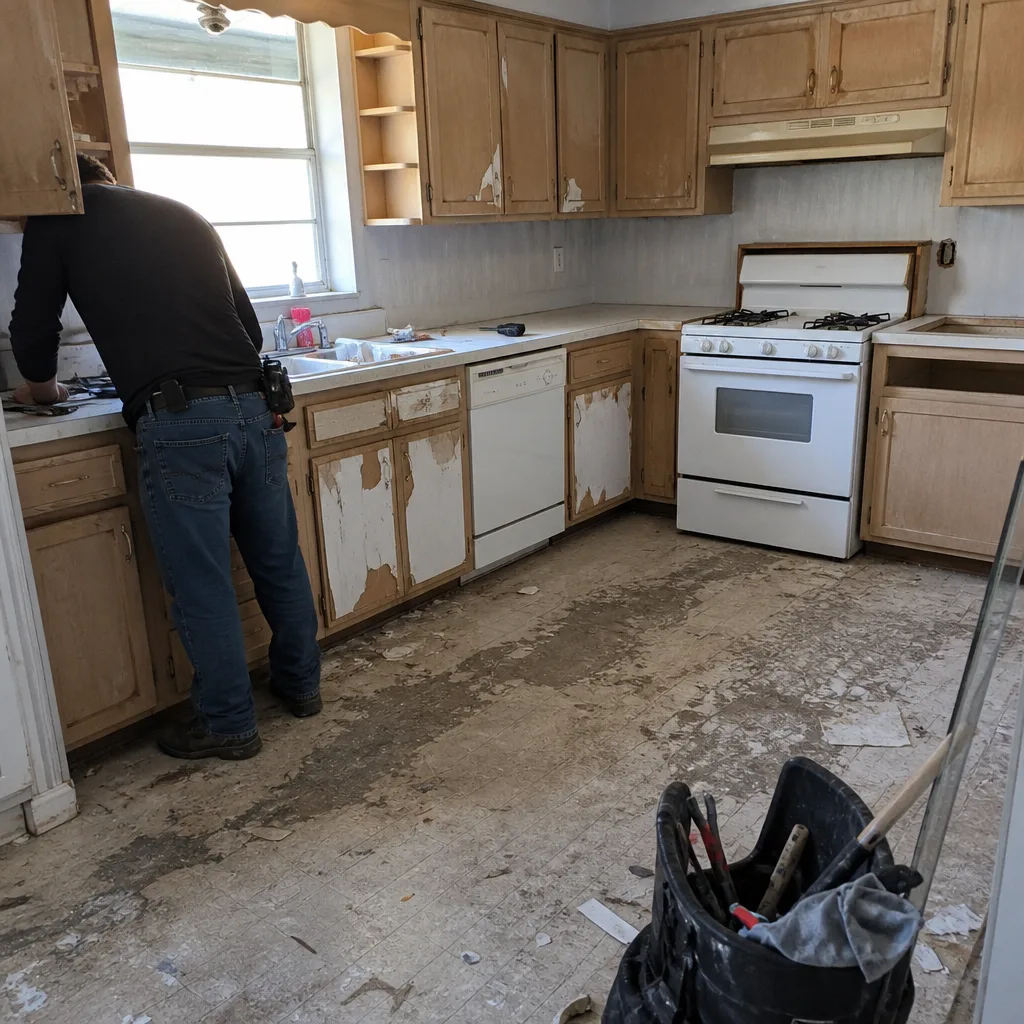 Before
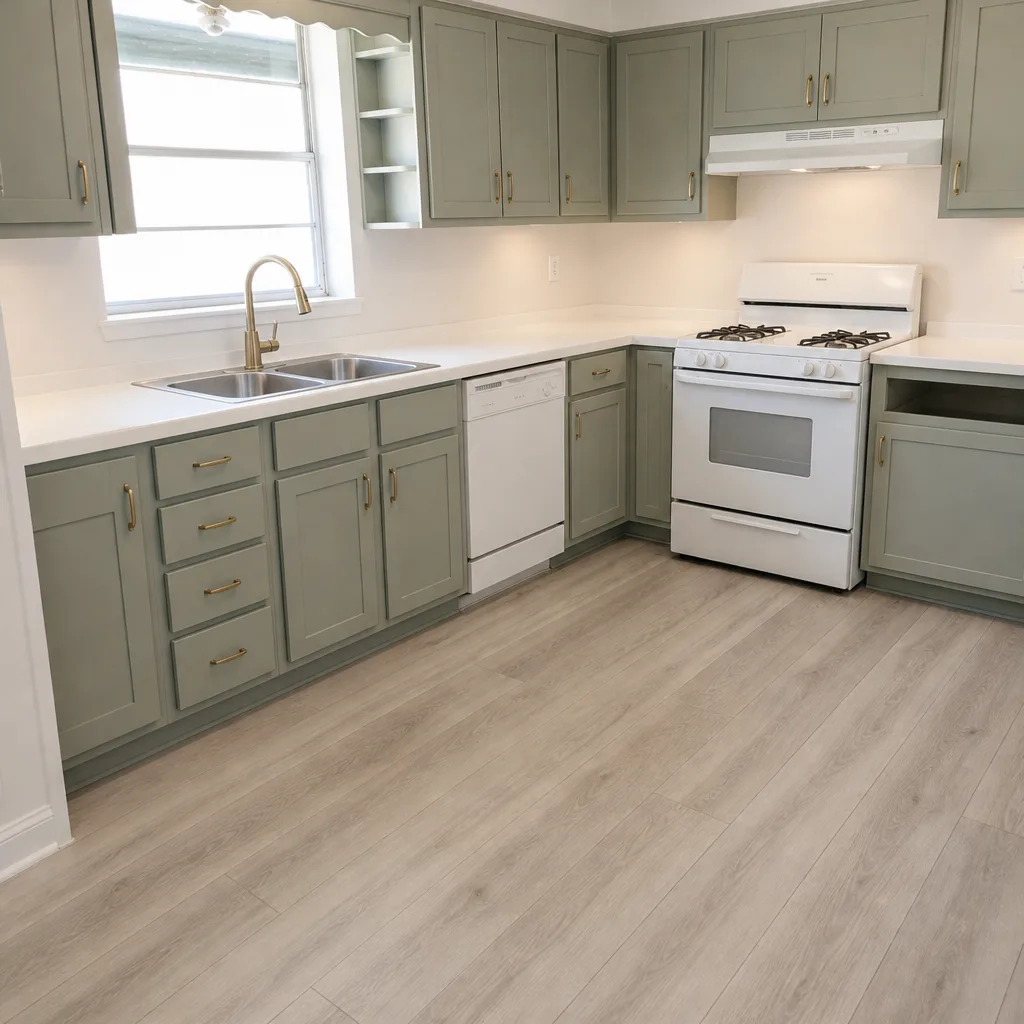 After
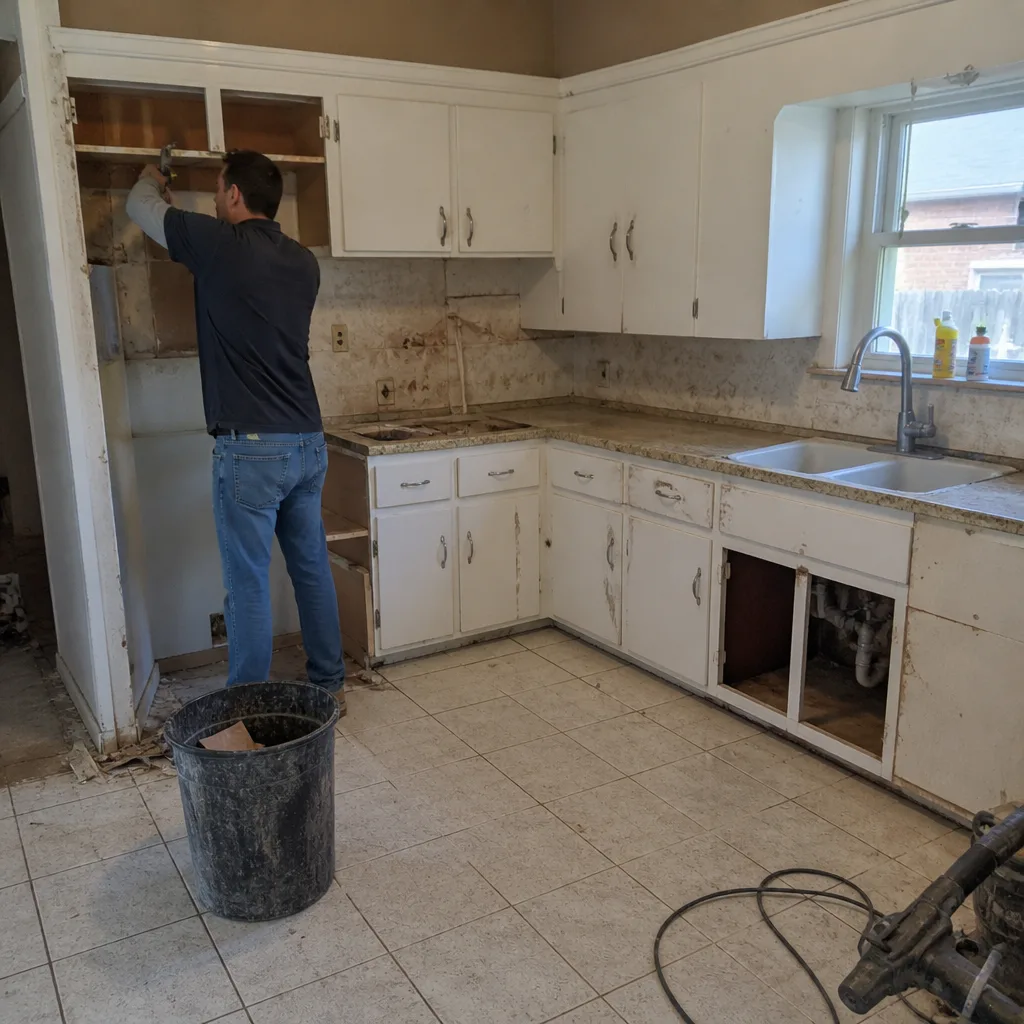 Before
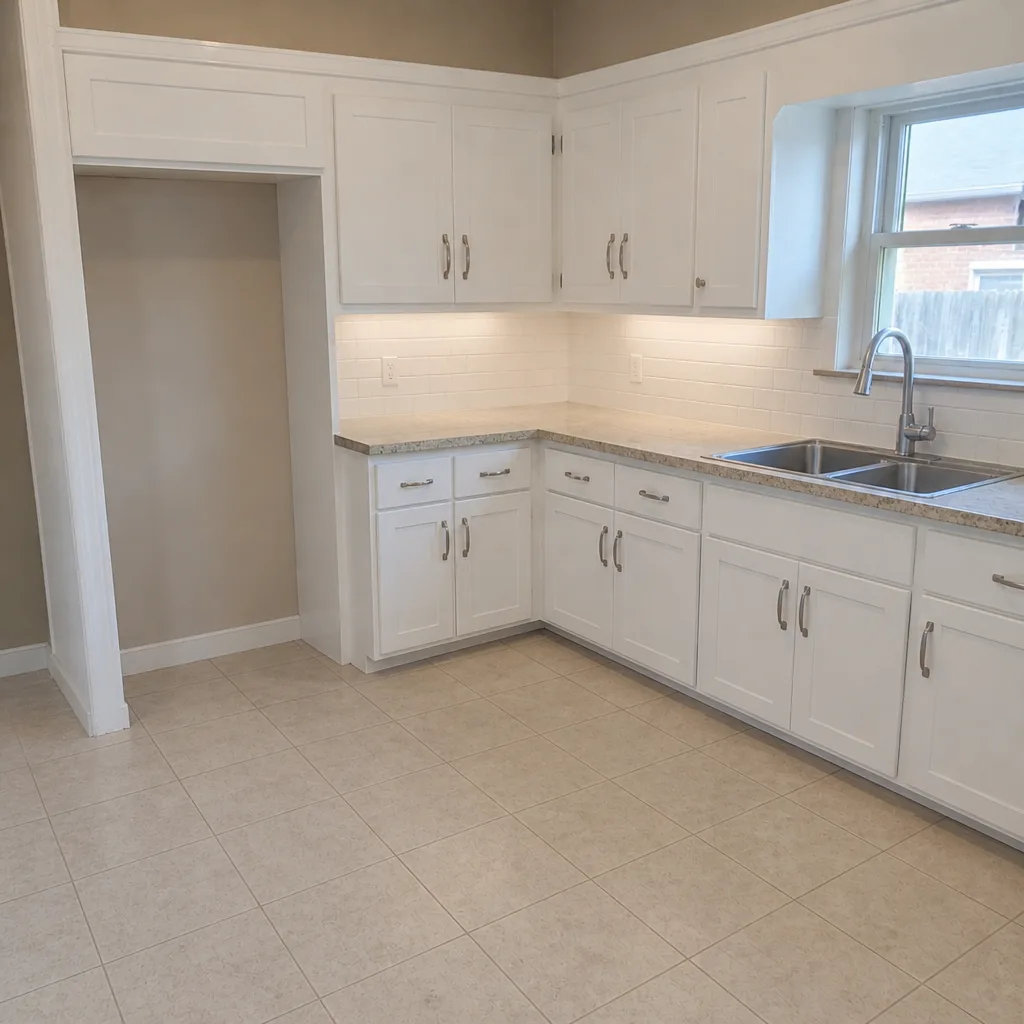 After
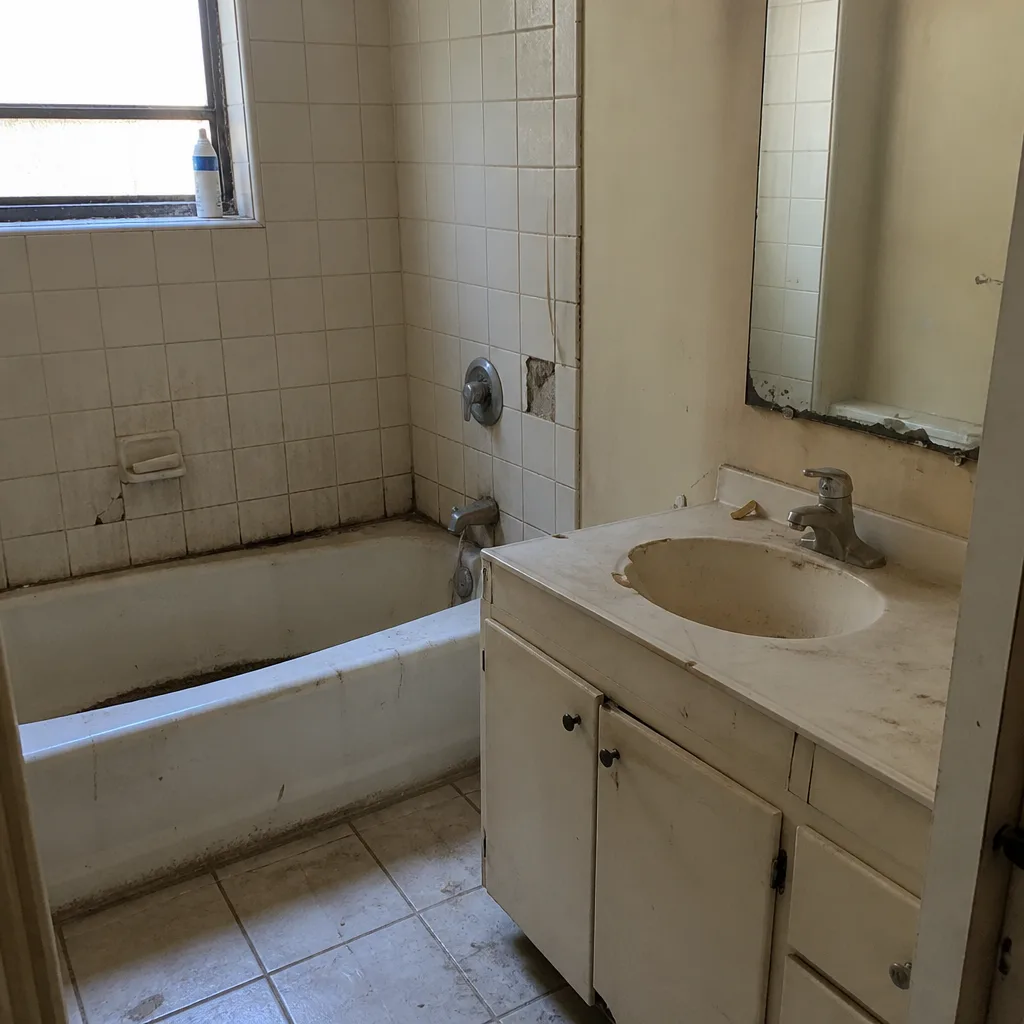 Before
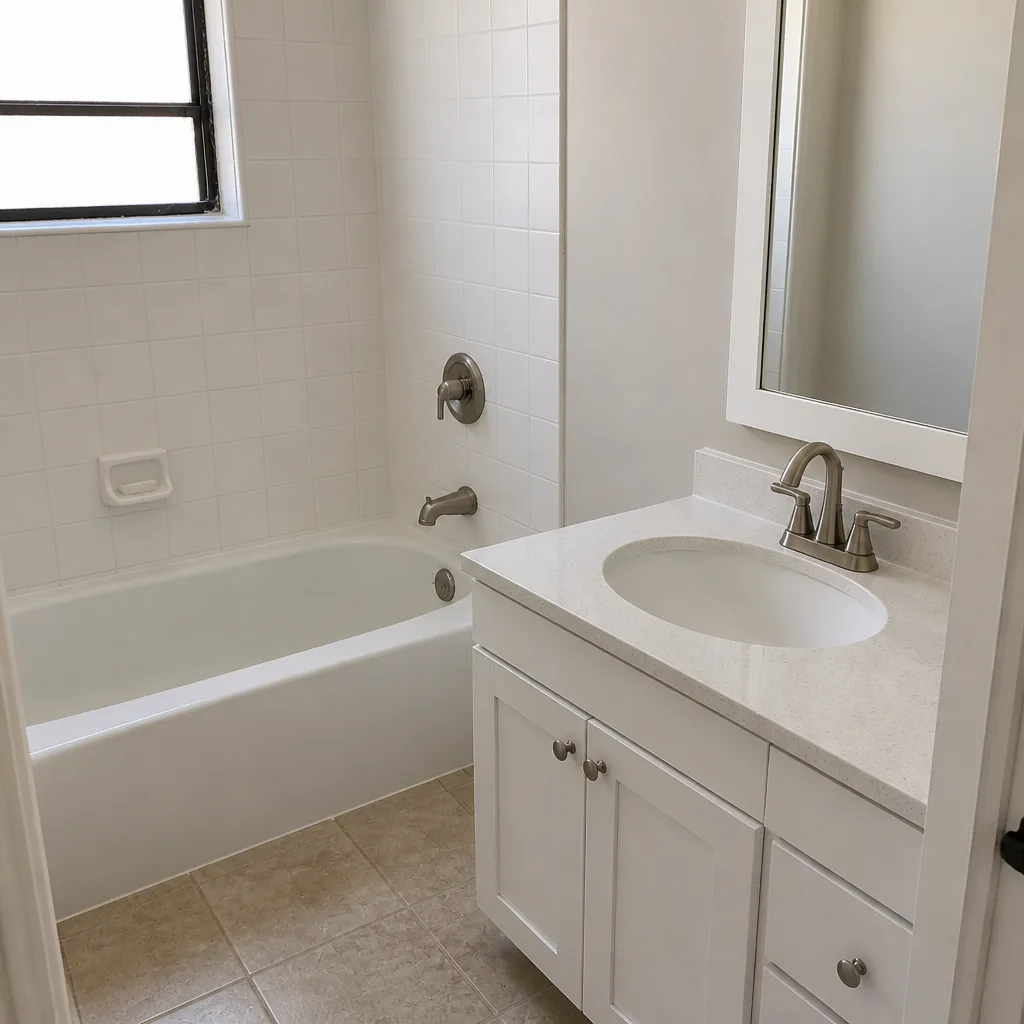 After