Last updated November 17, 2026




Free written scope consultation - allowances, timeline, and change-order rules on paper before a single trade is scheduled
Construction Cost Breakdown: The McKinney Homeowner’s Reference for 2026
Most cost calculators treat McKinney like a national average with a Texas ZIP code. They aren’t, and the gap matters. If you’ve pulled a number from an online estimator and then gotten a quote from a contractor who actually works here, you’ve likely seen a difference of several dollars per square foot on the same scope. That spread isn’t padding. It comes from the specific pressures shaping Collin County construction right now: sustained in-migration that keeps good subcontractors booked out, a materials market that has cooled for some products and stayed stubborn for others, and HOA architectural review that adds real dollars to exterior work. This guide breaks down per-unit cost ranges for the ten project types McKinney homeowners ask about most, shows where the money goes between labor and materials, and explains how to read an estimate so you can see where a bid is padded and where it’s quietly cutting scope.
Quick Answer
Construction costs in McKinney in 2026 run higher than national estimator tools suggest, mainly because Collin County subcontractor rates and disposal fees aren’t captured in those averages. Most common projects fall into predictable per-unit ranges: driveway and paver replacement at roughly $14 – $19 per square foot installed, fencing at a per-linear-foot range that depends on material, and additions that are priced per square foot of new livable space. For any of these, the written estimate you receive in person is the number that sets your final price, and it’s free to get one.
Styles & brands we work with
- Kitchen remodeling
- Bathroom remodeling
- Home additions & ADU
- Roofing
- Windows & doors
- Driveway & pavers
- Fence
Table of Contents
- Per-Square-Foot Cost Ranges for Common McKinney Projects
- Which Materials Have Normalized and Which Are Still Elevated
- How HOA Architectural Review Adds Real Cost
- Single-Trade vs. Integrated Contractor: The True Cost Gap
- How to Read a Contractor Estimate in McKinney
- Why the Labor-to-Material Split Matters for Negotiation
- Additions and ADUs: Where the Real Money Goes
- Building a Realistic 2026 Budget Calendar
Per-Square-Foot Cost Ranges for Common McKinney Projects
The single most useful number for budgeting in McKinney is the installed cost per square foot or per linear foot, broken into labor and material. Here’s how the ten projects homeowners ask us about most often break down. All figures are typical estimates for the McKinney market, not quotes; your written estimate is what governs the final price.
Roofing
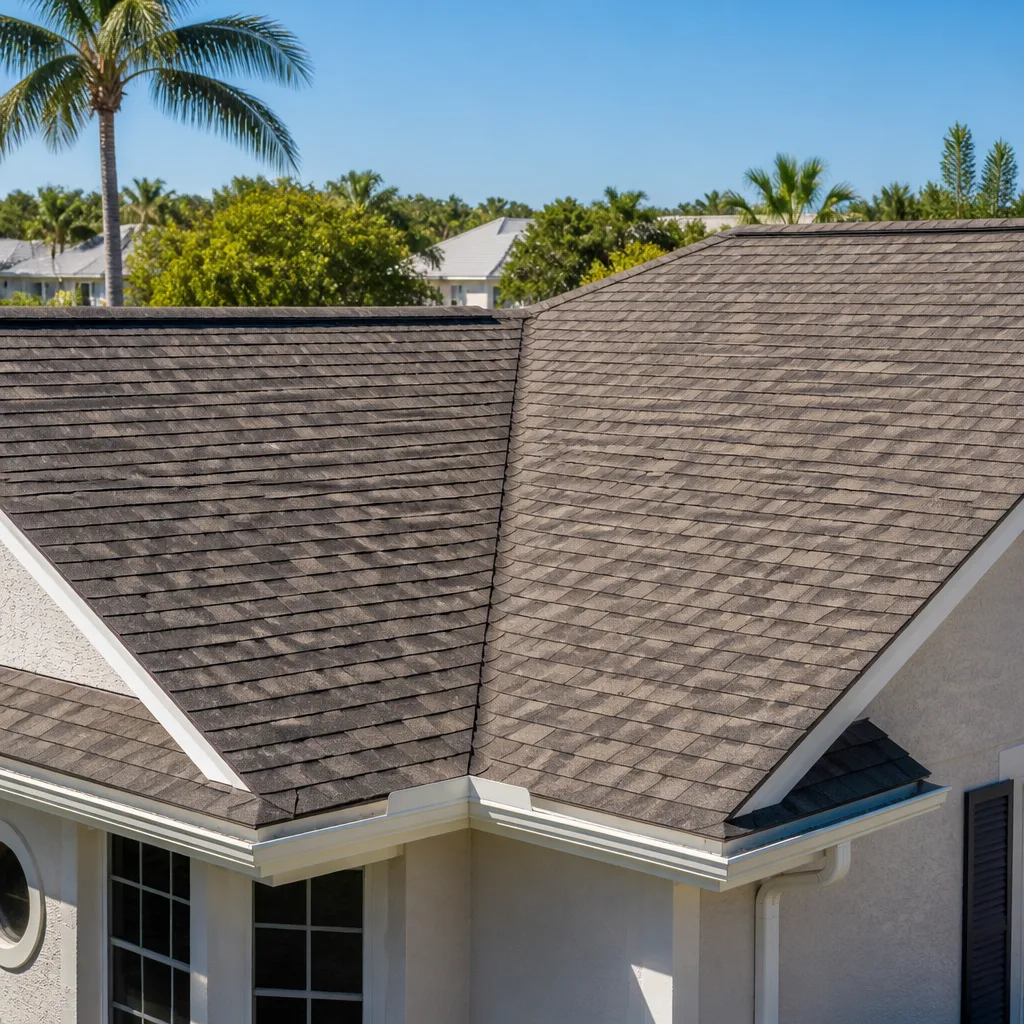
Asphalt shingle replacement in McKinney generally lands in a per-square range that includes tear-off, underlayment, and haul-away. The labor share runs higher than most people expect because roof pitch, access, and disposal all add time. Material choice moves the number more than labor: architectural shingles from GAF, CertainTeed, Owens Corning, IKO, Atlas, or Tamko sit at different price points, but the labor cost of installation is similar across them. That’s worth knowing when you’re weighing a warranty upgrade. Choosing a better shingle often costs less than choosing a steeper-roof installation method.
Concrete flatwork and pavers
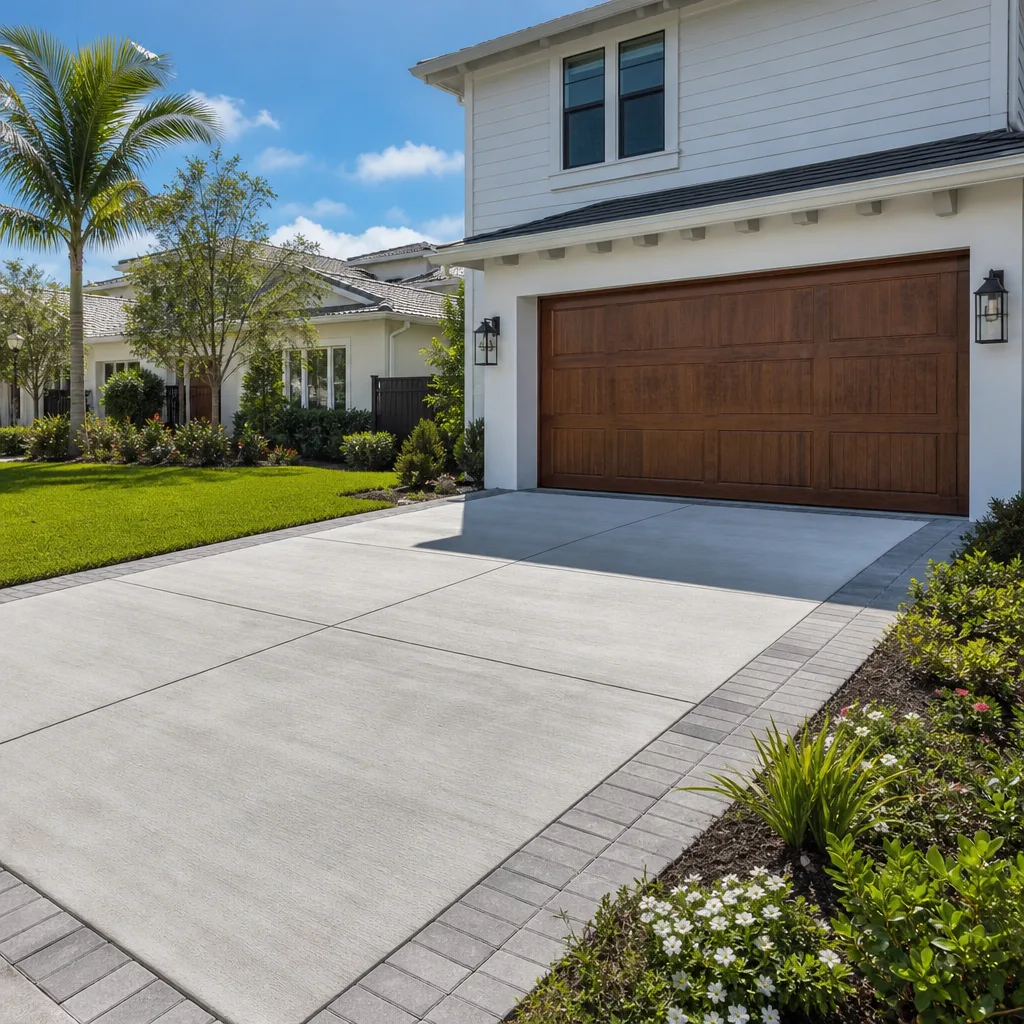
Concrete driveways and paver driveways are two different budgets. Standard concrete flatwork is generally the lower installed cost per square foot, while paver systems carry more in material and more in labor because of base preparation and setting. Premium paver lines from Belgard, Unilock, Techo-Bloc, Cambridge Pavers, or Tremron each price differently, so the material choice is where your leverage lives. For a full breakdown, see our driveway & pavers page.
Fencing
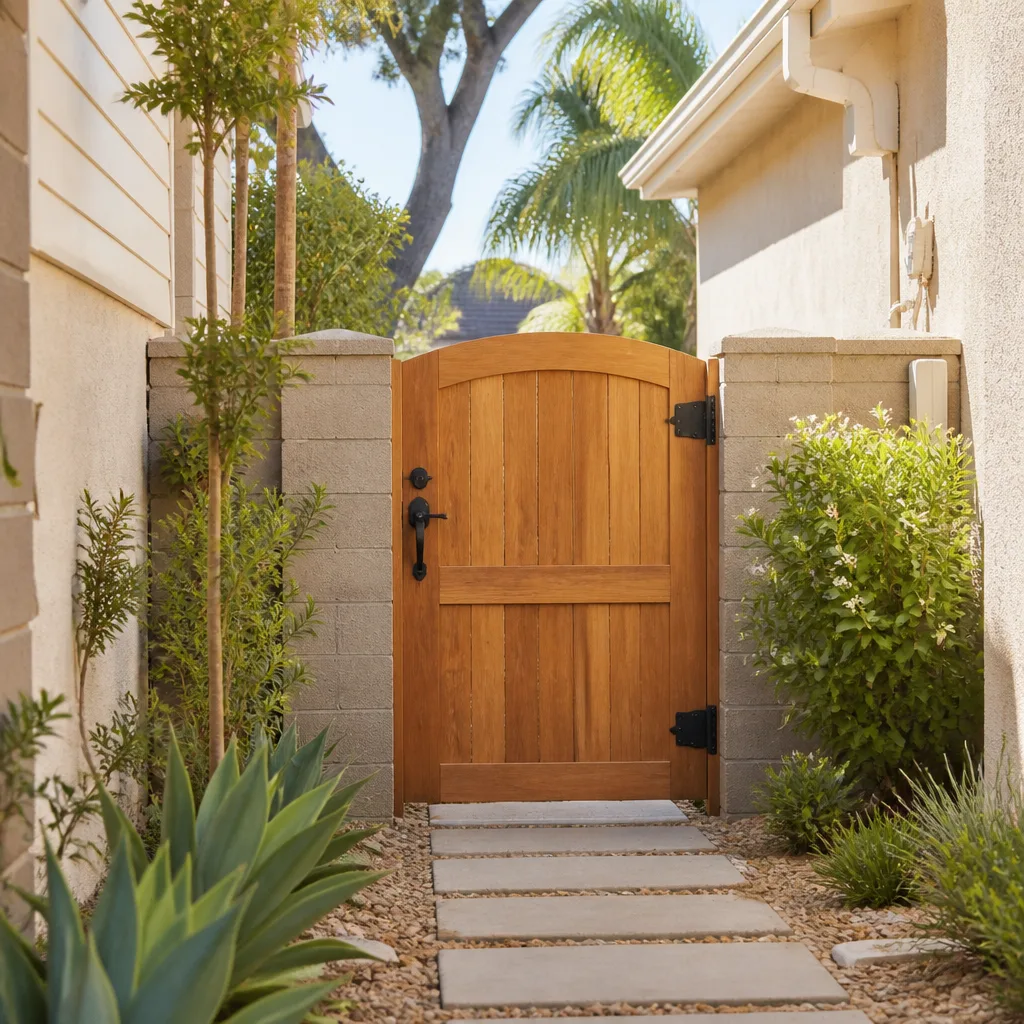
Fencing is priced per linear foot, and the two biggest cost drivers are material and how many gates or corners the run has. A straight run along a flat lot is the cheapest configuration. Material matters a lot here too, and working with established lines like Barrette helps keep the number predictable. Our fence installation page goes deeper on material options.
Roof, flatwork, pavers, fencing, and additions: the ratios
Here’s a rough sense of how labor and material split across the projects McKinney homeowners budget for most:
- Roofing (asphalt shingle): labor-heavy, with tear-off and disposal driving the labor share.
- Concrete flatwork: material-heavy, with labor a smaller share of the total.
- Paver driveways: balanced, with base prep adding to labor and premium pavers adding to material.
- Fencing: balanced, and closer to material-heavy when using premium line products.
- Home additions and ADUs: material-heavy in structure, but labor dominates once you include MEP rough-in, finishes, and inspections. Our home additions & ADU page breaks this down further.
The practical takeaway: on labor-heavy projects like roofing, there’s little room to negotiate material and lots of room to negotiate scope. On material-heavy projects like flatwork, material choice is the lever. Knowing which project type you’re in tells you where to focus the conversation.
Which Materials Have Normalized and Which Are Still Elevated
If you’re budgeting in 2026 and remembering the wild swings of 2021 and 2022, the market has split. Some categories have come back to earth. Others haven’t, and treating them the same way will wreck your budget.
What has normalized
- Lumber and framing materials: pricing has stabilized considerably from its 2022 peak, which helps additions and fencing budgets most.
- Some roofing materials: asphalt shingle pricing has largely settled, so a roofing budget quoted today is closer to what you’ll actually pay than it was a few years ago.
- Standard cabinetry lines: production has caught up, so a kitchen built around KraftMaid or Wellborn cabinetry is more predictable than it was during the shortage.
What is still elevated
- Concrete: cement, aggregates, and hauling costs remain high, and disposal fees in Collin County add to the number. Concrete isn’t a category where you can count on a break.
- Steel and structural metals: pricing is still above pre-2022 levels, which affects additions and any project with structural reinforcement.
- Windows: glazing and fabrication costs remain elevated, especially for impact-rated and specialty lines like PGT, CGI, or ECO Window Systems. Door packages from Therma-Tru and similar brands are more stable but not immune.
The planning consequence is simple. Don’t assume the whole project has gotten cheaper just because lumber normalized. Budget the elevated categories at today’s prices and leave the normalized ones alone. If you’re sequencing a multi-phase renovation, do the concrete and window work when it makes sense structurally, not to try to time a better price that may not come.
How HOA Architectural Review Adds Real Cost
A significant share of McKinney homes sit inside HOAs with architectural review requirements. That review adds cost in three ways that estimators never capture.
1. Material restrictions
Many HOAs specify allowable fence materials, roof colors, and paver styles. If the material you wanted isn’t on the approved list, you’re either re-selecting or applying for a variance, which costs time. Working with brands that offer a broad color and profile range – Belgard and Tremron pavers, Barrette fencing, GAF and CertainTeed shingles – widens your odds of matching the approved palette without an exception request.
2. Required upgrades
Some HOAs require upgrades that go beyond a like-for-like replacement, such as a higher-grade fence or an architectural shingle rather than a three-tab. These aren’t padding by the contractor. They’re requirements you’re meeting because the HOA asked.
3. Project delays
Architectural review takes time, and during that time your materials quote can expire. A contractor holding material pricing for weeks while an HOA deliberates has to account for that. Understanding this helps you see why two bids for the “same” fence can differ.
How to budget for HOA review
- Get the HOA’s approved material list before you request any quotes, so your bids are apples to apples.
- Submit the architectural review application before you sign a contract, so the review and the estimate can move in parallel.
- Ask your contractor to confirm that quoted materials match the approved palette in writing, so nothing needs re-bidding.
Handling HOA requirements up front is one of the most effective ways to keep a McKinney exterior project on budget.
Single-Trade vs. Integrated Contractor: The True Cost Gap
On paper, hiring three specialists for three tasks often looks cheaper than a single contractor who handles all of them. In practice, the difference is usually smaller than the sticker suggests, and sometimes reverses entirely.
Where single-trade bids look cheaper
A specialist quoting only their trade has no reason to price the coordination work, the scheduling, or the interface with other trades. Their bid looks lean because their scope is narrow. Add those elements back in and the number grows.
Where integrated bids earn their keep
- Coordination time is real cost. Every handoff between trades is a potential delay, and delays cost money in material re-quotes and re-mobilization.
- Markup stacking. When three trades each add their overhead and margin, and each adds a small uplift for the site coordination they’re doing on your behalf, the total creeps up. One relationship carries one layer of overhead.
- Warranty fragmentation is a hidden cost. When the roof leaks at the corner where the roofer and the framer both touched, single-trade warranties often disagree about who’s responsible. A single contractor relationship carries one warranty for the work.
The practical comparison
For a single, isolated project – replacing a fence, resurfacing a driveway – a specialist can absolutely be the right call. For a project where trades overlap, like a kitchen remodel that requires new windows and a new exterior door, or a home addition that touches roof and exterior finishes, the integrated model usually wins. At Construction McKinney, one contractor relationship covers everything from the driveway to the roofline, so coordination and warranty questions stay in one place. That’s the model that pays off when your project crosses trades.
How to Read a Contractor Estimate in McKinney
A contractor’s estimate tells you a lot about how the project will go. Read it carefully, and you can spot where cost is padded and where scope is quietly missing.
The five things to check
- Line items or lump sums? A line-item estimate (material, labor, permits, disposal) lets you see where the money goes and compare bids fairly. A lump sum hides the split and makes it very difficult to know what you’re paying for.
- Scope gaps. A low bid often omits disposal, permits, or finish carpentry. Those items don’t disappear; they reappear as change orders. Look for what’s missing before you compare totals.
- Material specification. “Shingles” isn’t a specification. “GAF Timberline HDZ in a specified color” is. The more specific the material line, the less room for substitution later.
- Permits and inspections named. Any structural or plumbing work needs permits. A bid that skips them is either cutting scope or expecting you to handle it.
- Warranty in writing. The workmanship warranty should be spelled out, not implied. It needs to survive the contractor relationship.
Where a bid is padded
Padding usually shows up in vague line items, generous waste factors on materials you can verify, and ancillary charges that don’t map to any deliverable. If a bid has a line that you can’t read back as a thing that will be installed, that’s where to ask a question.
Where a bid is cutting scope
Underscoped bids are usually easy to spot once you know what should be there: no permit line, no disposal, no finish work, no waste factor, no allowance noted. These bids tend to win on the first comparison and lose on the second, once the change orders start.
If you want the full-scope model with the pricing shown up front, our Construction McKinney page explains how we structure estimates and what we include.
Why the Labor-to-Material Split Matters for Negotiation
The labor-to-material ratio tells you where you have leverage. That single insight changes what you ask for in a negotiation.
On labor-heavy projects
If labor dominates the total, like roof replacement and fence installation, negotiating the material price has limited impact. Labor is set by the local market and by the physical work required. The better asks are on scope: scheduling, whether some prep work is included, and whether you’re choosing the most efficient configuration of the job. Roofing is a great example. The labor difference between two asphalt shingle brands is minimal, but the labor difference between two roof pitches or access situations is significant.
On material-heavy projects
If material dominates, like concrete flatwork and paver installation, the material line is where the negotiation lives. Choosing a paver line with a lower unit price, or a countertop material from Caesarstone, Silestone, or Cambria that hits your target price, moves the total more than asking for a discount. So does a smaller job. If you’re near a threshold in square footage, trimming a little area can save more on material than you’d get by shaving labor.
Mixed projects
Additions and ADUs sit in between: framing materials make up a chunk of early cost, but labor throughout the build is the dominant share by the end. On a mixed project, the best negotiation lever is usually to define the specification clearly and compare bids on the same spec. On a home addition, that’s how you protect both budget and the final product. It’s also why the material choices for kitchens and bathrooms matter so much: they’re where the design delivers the most value per dollar.
Additions and ADUs: Where the Real Money Goes
Home additions and ADUs carry the widest cost range of any residential project in McKinney, largely because they’re the most variable in design and site conditions. Two additions of the same square footage can land at very different totals depending on what the site asks for and how finished you want the interior.
The cost buckets
- Site work and foundation: the highest-variance cost bucket. Soil conditions, grade changes, and utility routing all affect this.
- Structure and shell: framing, sheathing, roofing, windows, and exterior doors, driven by material choice and window program.
- MEP rough-in: plumbing, electrical, and HVAC, which must be sleeved into existing systems and permitted for inspection.
- Finishes: cabinetry, countertops, fixtures, doors and trim. Here the brand range is your lever: Kohler, Grohe, and Toto fixtures, or KraftMaid and Wellborn cabinetry, let you design to a target price without compromising performance.
Prefab and modular as a path
For ADUs specifically, prefab and modular platforms like Abodu, Dvele, Mighty Buildings, Boxabl, and Plant Prefab have become a real alternative to site-built. They trade some design flexibility for a shorter construction timeline and a more predictable total cost. They don’t fit every lot, and they don’t replace the site work and utility connections, but they’re worth mentioning as a conversation starter. Asking about your ADU options early helps you see which path fits your lot, your budget, and your timeline.
Windows and doors matter on additions
On a home addition, the window and door package is often a significant line item, and it’s where the wrong choice gets expensive. Specialty and impact-rated window lines from PGT, CGI, ECO Window Systems, and ES Windows price very differently from each other. Door packages from Therma-Tru and ViewLux vary too. Confirm the window and door specification before you compare bids.
Building a Realistic 2026 Budget Calendar
A realistic budget isn’t just a number. It’s a calendar. Here’s how to sequence a multi-phase project across 2026 so that the money and the schedule line up.
Step 1: Define scope and specification in Q1
Get the HOA’s approved material list, decide on brand lines for the categories that matter most to you, and write down what the finished project looks like. This is the stage where your budget is decided, not when the contract is signed.
Step 2: Get three line-item estimates
Request written estimates from contractors who can quote all the trades your project touches. Compare them on scope and specification, not just total. If any bid lacks a permit line or disposal, ask about it before you weigh it against the others.
Step 3: Sequence permits and HOA review
Structural work, additions, and any new utility connections need permits and city inspections. Start the HOA review in parallel with permits. These timelines run better side by side than back to back, and both are something we’re used to handling in McKinney.
Step 4: Lock materials at signing
Once the scope and specification are settled, a written estimate that names brands and models locks the cost of a project that might otherwise see re-quotes as materials move. This is especially important in elevated categories like concrete, steel, and windows.
Step 5: Build in a contingency line
Every budget should carry a contingency line for the unknowns that come up once work starts, especially on additions and renovations where opening up walls reveals conditions nobody could see. A well-written estimate names the likely unknowns up front so you can decide how to handle them before they appear.
Common Mistakes to Avoid
- Trusting a national estimator without checking local rates. Online tools miss Collin County subcontractor rates and disposal fees, so their numbers come in low. Use them as a floor, not a budget.
- Starting exterior work before the HOA review is complete. Material rejections and delays mid-project are far more expensive than waiting a few weeks up front. Get the approved material list before you request bids.
- Comparing bids on totals only. A bid that’s $3,000 lower very often skips permits, disposal, or finish work. Compare line items, not totals.
- Underestimating the window and door package on additions. Impact-rated and specialty lines price very differently from each other. Confirm the specification before you compare bids.
- Chasing a discount on a labor-heavy project. On roofing and fencing, labor is the cost. Negotiating the material price changes little; negotiating scope and configuration changes a lot.
- Splitting a multi-trade project across contractors to save on overhead. Coordination time, stacked markup, and warranty fragmentation often cost more than the overhead you were trying to avoid.
- Skipping the contingency on additions. Opening up a wall or a foundation always reveals something the drawings didn’t. A named contingency line is cheaper than a change order.
See the difference
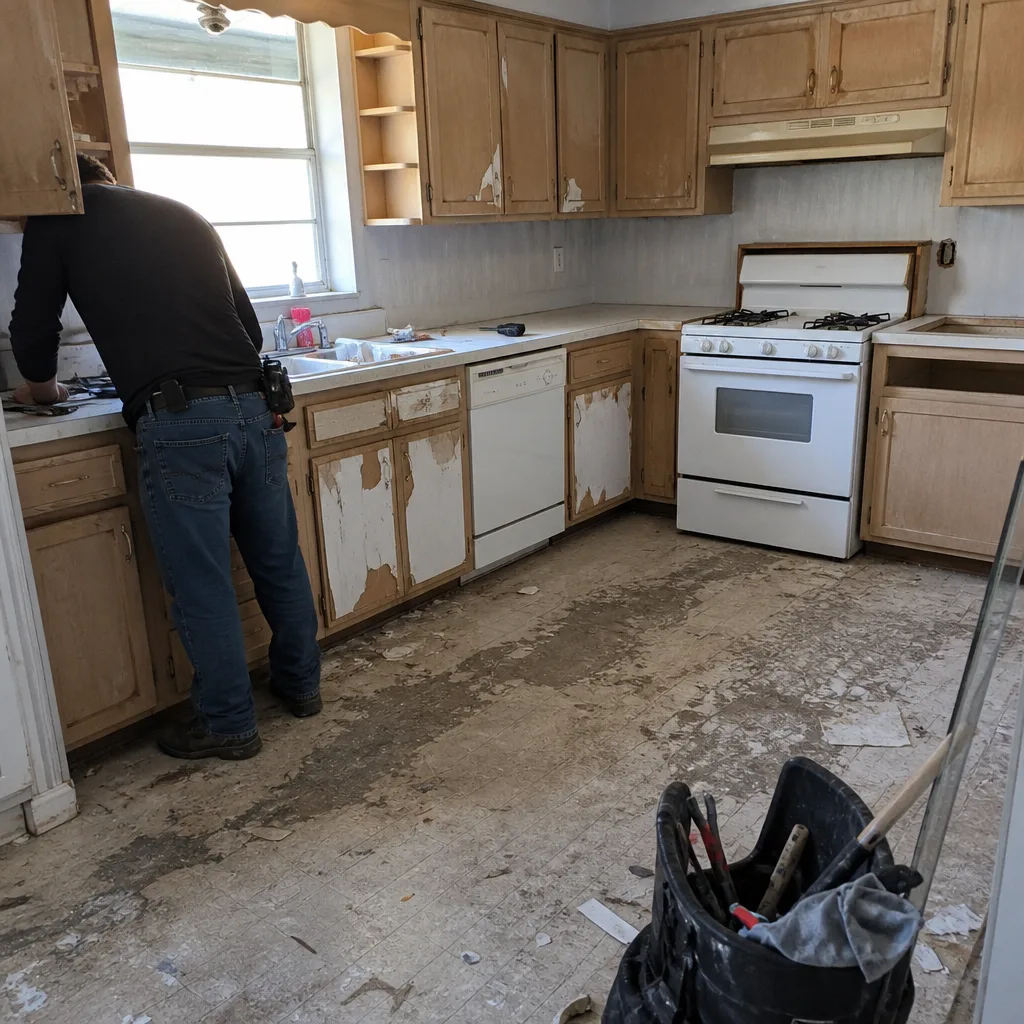 Before
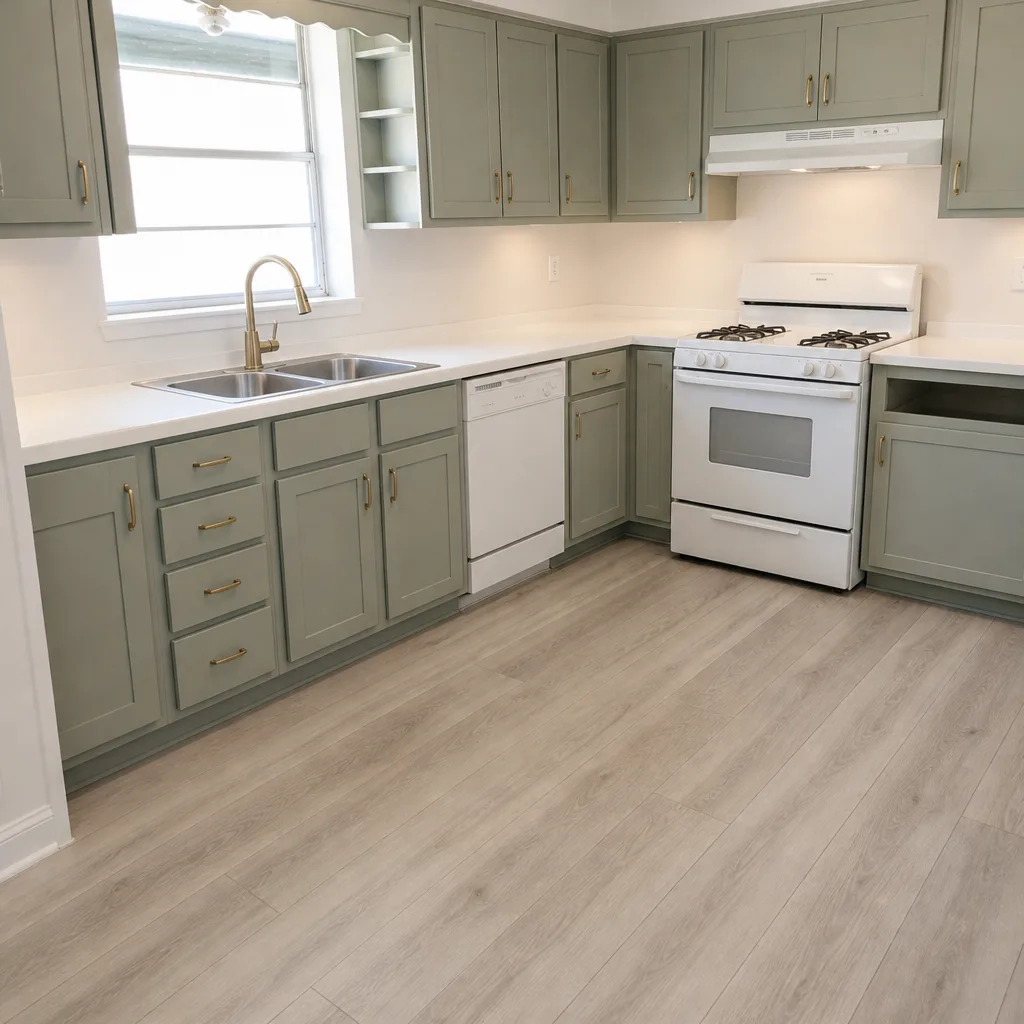 After
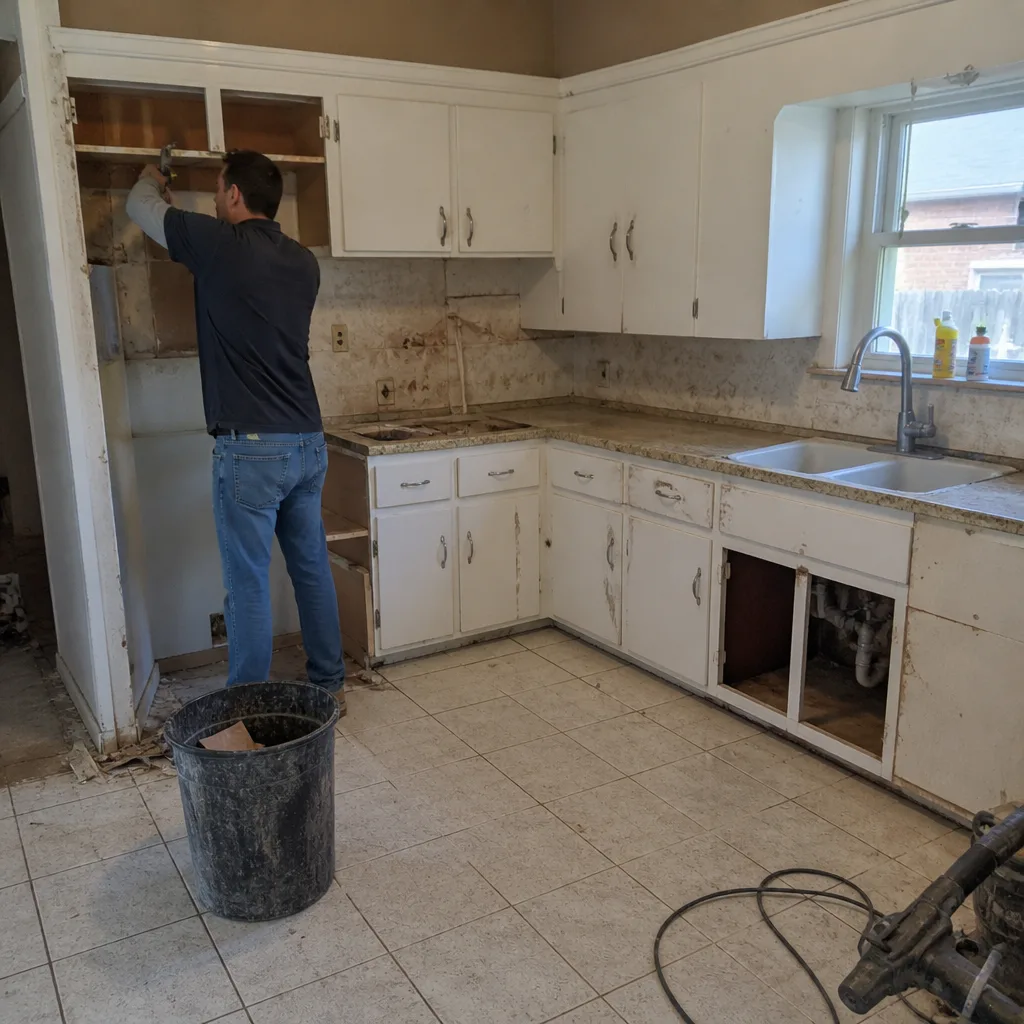 Before
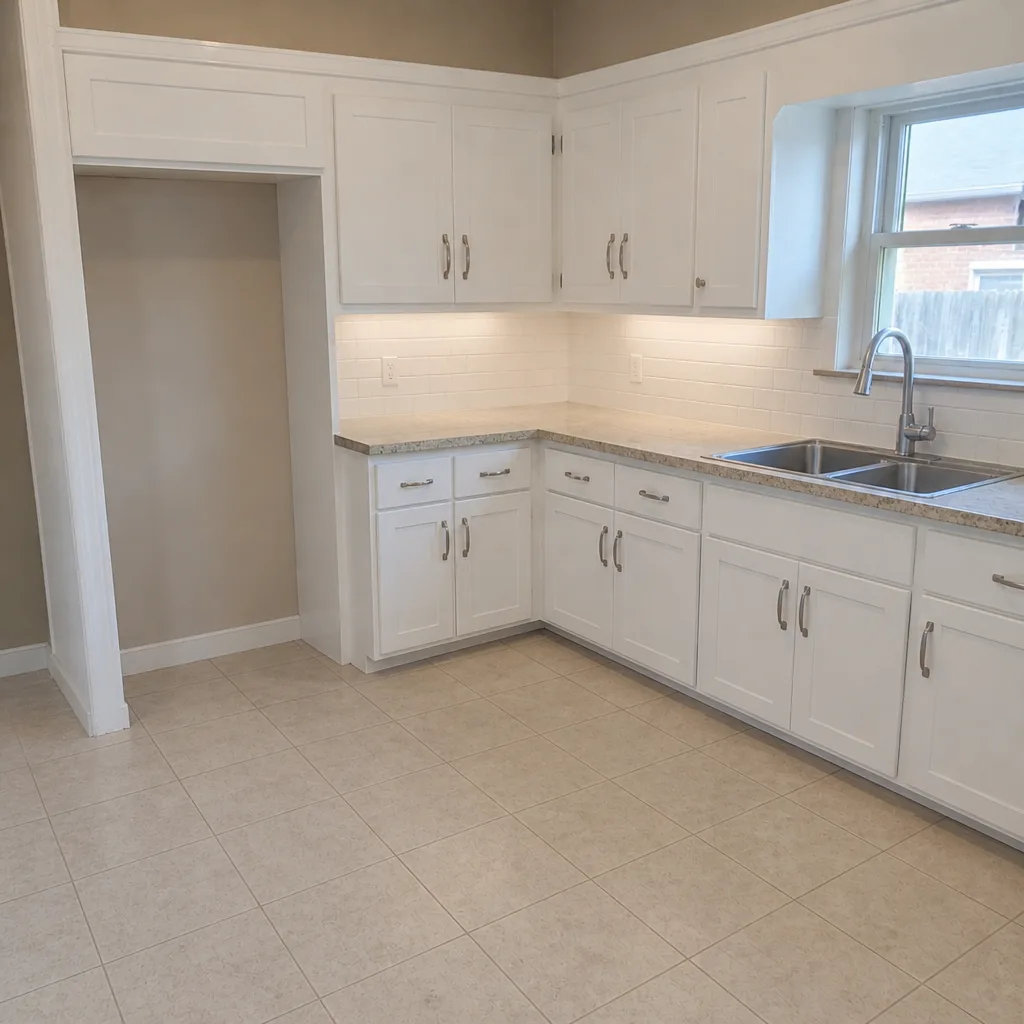 After
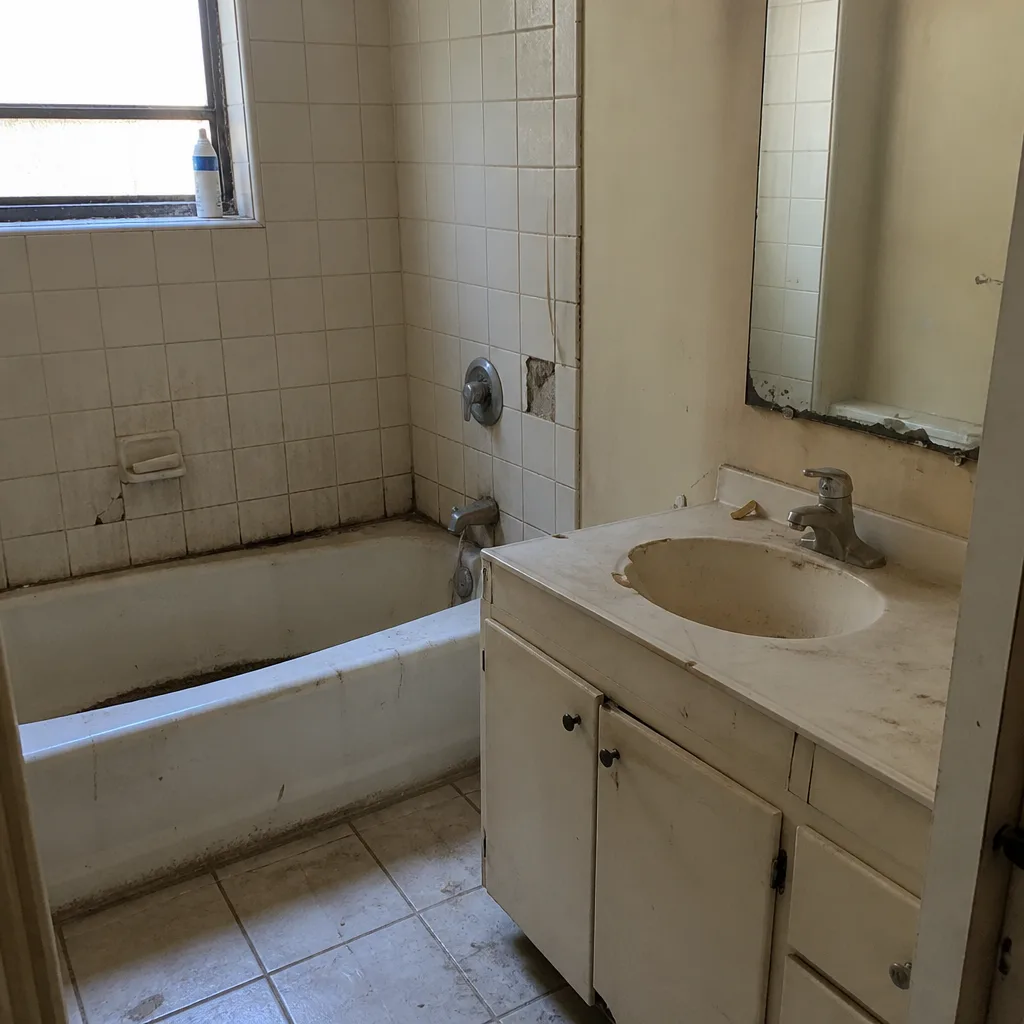 Before
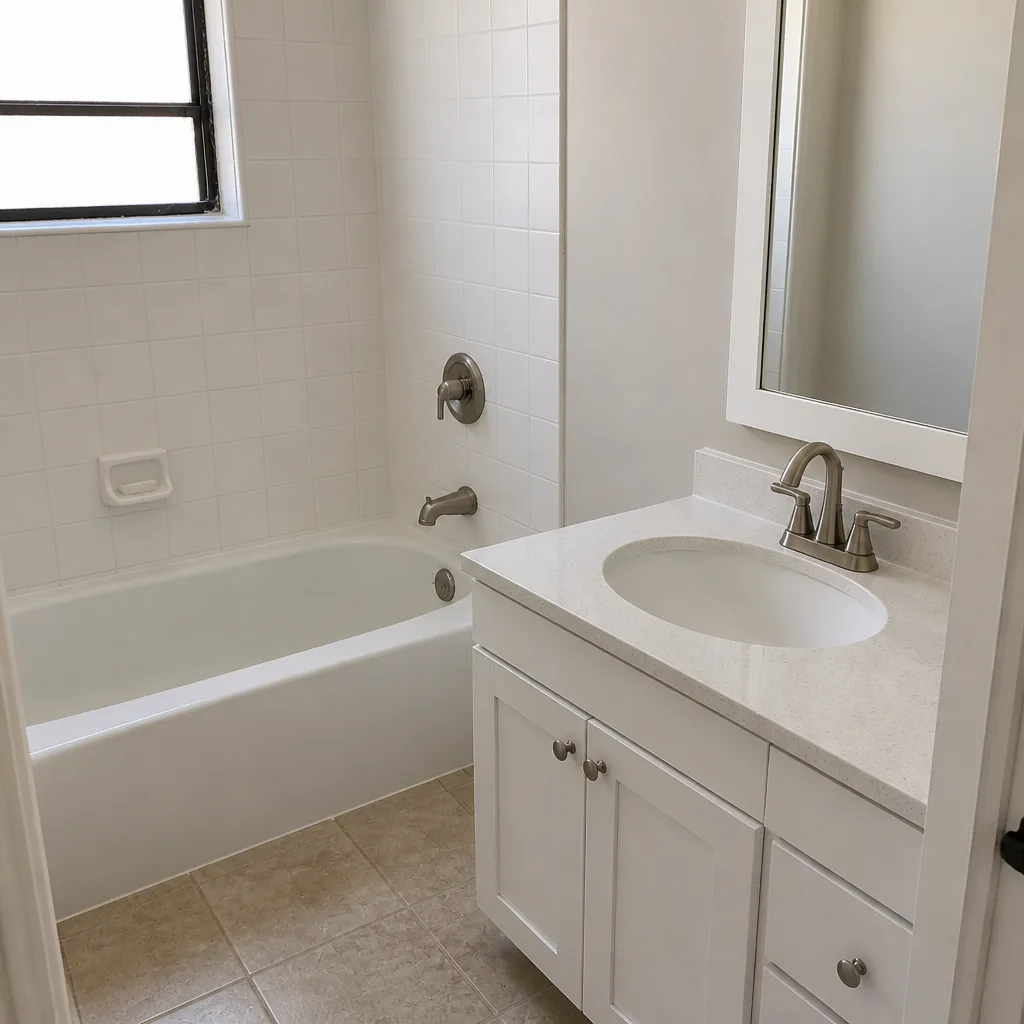 After
When to Call a Professional
Some of this work is genuinely dangerous, and some of it just needs the right scope. Roof work at height, structural framing, electrical, and gas work all belong with licensed professionals, and the risk of injury or a failed inspection isn’t worth the savings. Any project crossing multiple trades, any addition or ADU, and any project facing HOA review benefit from a single contractor who can sequence everything. A written line-item estimate should be the first thing you get, not the last, so you know exactly what you’re paying for before work starts.
Construction McKinney offers free estimates in McKinney – call (844) 761-9152. We answer 24/7. Fast dispatch from 7am to 7pm, Sunday through Friday. Our technicians have up to 10 years of experience, and we bring one contractor relationship to every phase of the work.
Frequently Asked Questions
It depends entirely on the project type. Driveway and paver work generally runs in a per-square-foot installed range in the mid-to-high teens, roofing is priced per square of shingles installed, and additions are priced per square foot of new livable space. The written estimate is what sets your final price, and it’s free – call (844) 761-9152 for an exact quote.
National tools don’t capture Collin County subcontractor rates or disposal fees, and those two items account for most of the gap. They also assume a generic site rather than the specific access, HOA, and permit conditions that apply to your lot. A local line-item estimate corrects for all of that.
Yes, in three ways: material restrictions that force re-selection, required upgrades beyond a like-for-like replacement, and project delays while materials quotes are held. Getting the HOA’s approved material list up front and starting the review in parallel with permits is the most effective way to control that cost.
For a project where trades overlap, a single contractor is usually the better cost outcome once you account for coordination time, markup stacking, and fragmented warranties. For a single isolated project, a specialist can be the right call. Call (844) 761-9152 and we’ll walk through which model fits your project.
The written line-item estimate sets the price, and any legitimate change should appear as a written change order tied to a specific scope change. Unexpected conditions, especially in additions and renovations, are the main reason a budget moves. A named contingency line handles those far more cleanly than an unanswered change order.
Permits are pulled and inspections passed on every project that requires them, and they should appear as a line item on your estimate. A bid without a permit line is either cutting scope or expecting you to handle it yourself. Call (844) 761-9152 for a quote that includes the permit line.
The Bottom Line
McKinney costs in 2026 are shaped by three pressures that national tools don’t see: sustained Collin County in-migration holding labor rates up, a materials market that has split between normalized categories (lumber, some roofing, standard cabinetry) and elevated ones (concrete, steel, windows), and HOA architectural review that adds real dollars to exterior work. Read your estimate line by line, confirm the specification, sequence permits and HOA review in parallel, and understand whether your project is labor-heavy or material-heavy before you negotiate. The written estimate, not the estimator tool, is the number that matters. The team at Construction McKinney is here to help you build a realistic budget from the driveway to the roofline.
Written by the team at Construction McKinney.