Last updated November 17, 2026



Free written scope consultation - allowances, timeline, and change-order rules on paper before a single trade is scheduled
Construction Emergency Preparedness Guide for McKinney Homes
Most McKinney homeowners prepare for storms by watching the radar and hoping. The homes that come through a major weather event with the least damage are usually the ones whose owners did the quiet, unglamorous work months earlier: sealing an attic penetration, knowing where the main water shutoff is, photographing the exterior before anything happened. Emergencies here tend to be narrow and intense. Hail comes in hard, wind events tear at roofs and fences, and the occasional hard freeze catches North Texas construction flat-footed. This guide walks through the hazards specific to McKinney, the first-48-hour protocol that decides how expensive an event becomes, and the hardening upgrades that pay for themselves.
Quick Answer
Construction emergency preparedness for a McKinney home comes down to four things: closing the construction gaps that fail in extreme weather, knowing exactly how to shut off gas, water, and power, documenting damage properly within the first day after a storm, and vetting contractors carefully before you sign anything. Homes built to code in North Texas often still carry vulnerabilities, like uninsulated exterior wall cavities and garage-adjacent plumbing, that a few targeted upgrades can address. The bulk of the cost in most emergencies comes from what happens in the first 48 hours, not from the event itself.
Styles & brands we work with
- Kitchen remodeling
- Bathroom remodeling
- Home additions & ADU
- Roofing
- Windows & doors
- Driveway & pavers
- Fence
Table of Contents
- What Weather Hazards Actually Threaten McKinney Homes?
- Why Does a Hard Freeze Catch North Texas Construction Off Guard?
- How Do You Shut Off Utilities Safely During an Emergency?
- What Should You Document in the First 24 Hours After Hail or Wind?
- How Do You Tarp a Roof Safely Without Voiding Coverage?
- Which Pre-Storm Hardening Upgrades Are Worth It in McKinney?
- How Do You Spot a Legitimate Contractor After a Storm?
- What Does the Post-Event Recovery Timeline Look Like?
What Weather Hazards Actually Threaten McKinney Homes?
McKinney sits in a part of North Texas where the risk is concentrated into a few event types rather than spread across a long, destructive season. Hail is the biggest recurring cost. Severe thunderstorms with damaging straight-line wind and the occasional tornado-adjacent gust are the second. Hard freezes are the third and arguably the most underappreciated, because they arrive quietly, last a few days, and expose every place where a home’s construction wasn’t designed for sustained cold.
Here’s what that means in practice:
- Hail damages roof shingles, gutters, downspouts, soft-metal vents, and the seals around skylights. Damage isn’t always visible from the ground, which is why a professional inspection after any significant hail event matters.
- Wind lifts shingles, tears at fence panels, peels back garage door panels, and stresses tree limbs overhanging the roofline.
- Freeze events expose plumbing in exterior wall cavities, attic plumbing runs, and any water line routed through a garage or unheated space. The resulting water damage is often far costlier than the freeze itself.
- Rain following hail is where the real interior damage originates. A roof that loses its shingle seal lets water into the attic decking and eventually into ceilings and walls.
Because McKinney homes are spread across several decades of construction styles from the older neighborhoods near downtown out to newer subdivisions, the vulnerabilities vary street to street. A newer home has different attic sealing and different garage configurations than a home from the 1980s. Knowing your own home’s build era and construction quirks is the first step toward a realistic preparedness plan. We help McKinney homeowners think through this as part of our broader Construction McKinney work, because the best time to address a vulnerability is before it becomes a call on a Sunday morning.
Why Does a Hard Freeze Catch North Texas Construction Off Guard?
North Texas construction assumes winters stay mild, because they almost always do. That assumption runs through the entire build: exterior wall cavities may be insulated to a standard that works for most days, plumbing runs may be routed through an unheated garage or an exterior wall, and attic penetrations may meet code without addressing sustained sub-20°F conditions. When temperatures stay below that threshold for more than a day, the margin between “perfectly fine” and “burst pipe” starts to close fast.
The specific failure points we see most often in McKinney homes during a hard freeze:
- Uninsulated exterior wall cavities. Water lines run through a wall that was insulated for cooling efficiency, not sustained cold. A few days below freezing and that pipe is at risk.
- Garage-adjacent plumbing. A garage that’s attached but unheated can drop well below the temperatures the wall-sharing plumbing was designed for.
- Attic plumbing penetrations. Any pipe that runs through the attic, or any opening where a pipe passes through the ceiling, is exposed to attic air temperature, which can equal the outdoor temperature during a long freeze.
- Hose bibs and exterior spigots. A hose left connected traps water in the fixture and prevents it from draining.
The good news is that every item on that list can be addressed with targeted work: pipe insulation in the attic, wall cavity improvements, a smart water leak detector at the main shutoff, and a simple pre-freeze routine. That routine should include disconnecting hoses, dripping a couple of interior faucets, and opening cabinet doors under sinks on exterior walls so warm air circulates. For a sustained freeze, knowing where your main water shutoff is and how to operate it is the single most valuable piece of preparedness you can have.
Pre-Freeze Checklist for McKinney Homeowners
- Disconnect all exterior hoses and drain the spigots.
- Locate and tag your main water shutoff so it can be found in the dark.
- Drip one or two faucets on an interior wall so water keeps moving.
- Open cabinet doors under sinks on exterior walls.
- Set the thermostat to a steady temperature throughout the freeze; don’t let the home cool overnight.
- If you leave town, shut off the main water supply and drain the lines.
- Check gutters and downspouts so melting runoff has somewhere to go.
How Do You Shut Off Utilities Safely During an Emergency?
Every homeowner should know how to shut off water, gas, and electricity, and every responsible person in the household should know where those shutoffs are located. In an emergency, seconds matter, and the difference between a controlled situation and an uncontrolled one is almost always whether someone knew which valve to turn.
The order of operations depends on the emergency. For water damage, shut off water first. For a gas smell or a hissing line, leave the home and shut off gas at the meter only if it’s safely reachable and you can do so without moving debris. For an electrical fire or downed line, shut off the main breaker only if you can reach the panel safely; otherwise, leave the building and call from outside.
Utility Shutoff Hierarchy
- Water: Find the main shutoff. In most McKinney homes it’s either near the street in the meter box or at the house wall where the supply enters. Turn it clockwise until it stops.
- Gas: Locate the meter and find the shutoff valve upstream of the regulator. A quarter turn with a wrench stops the flow. Do not turn gas back on yourself; the utility must restore it.
- Electricity: Open the panel and switch the main breaker off. Never stand in water or touch the panel with wet hands.
For gas leaks, evacuate first, then call from outside. For electrical hazards, don’t enter a flooded space where outlets or panels are submerged. For water emergencies, shut off at the main and call a plumber. Keep the number for your gas utility and your water provider posted somewhere visible in the kitchen or near the panel. Knowing the hierarchy and practicing it occasionally makes the emergency version of the same action reflex rather than panic.
What Should You Document in the First 24 Hours After Hail or Wind?
Insurance claims after hail or wind succeed or fail on documentation. The quality of what you capture in the first day determines how smoothly the claim process moves later, and how likely a fair settlement becomes. Waiting days to climb on the roof, photograph damage, and file gives the insurer reason to question cause and timing.
Here’s the protocol:
- Photograph everything from the ground. Walk the perimeter and photograph the roofline, gutters, downspouts, siding, fences, and any visible damage on the ground. Include wide shots and close-ups.
- Photograph interior damage with a reference. Water stains on the ceiling, drips, and window leaks all should be photographed with something for scale and dated.
- Retain damaged materials. Don’t throw out damaged shingles, siding sections, or fence panels before the adjuster sees them.
- Get a professional roof inspection. Many hail injuries aren’t visible from the ground. A professional inspection after a significant event gives you a written assessment you can attach to your claim.
- File the claim promptly. Most policies have a window to report damage. Filing in the first day or two keeps the timeline clean.
- Keep all receipts. Any temporary repair, tarp, or emergency mitigation should be documented and retained.
Timing matters more than most homeowners realize. Adjusters and contractors are both in short supply after a major McKinney hail event, and the homeowners who filed early are the ones who got the earliest inspections.
How Do You Tarp a Roof Safely Without Voiding Coverage?
The short answer: tarping your own roof is a serious fall risk, and getting it wrong can void portions of your claim. This is one of the places where the safest path is also the correct one, and that’s a professional temporary repair performed and documented properly.
That said, understanding how a proper tarp is done helps you evaluate whether a crew is doing it right. A properly deployed emergency tarp does four things: it covers the damaged area with overhang past all edges, it’s secured to the structure rather than weighted with bricks or loose material, it allows water to drain off rather than pooling, and it’s photographed before and after. A tarp that’s improperly secured can blow off in the next gust, and a tarp that’s nailed through undamaged shingles can be cited as homeowner-caused damage to that part of the roof.
The most common problems we see with DIY tarping:
- Weighted-and-forgotten tarps. Bricks or sandbags sit on the roof and become projectiles in the next wind event.
- Tarps nailed through shingles. Nails through shingles create new penetrations and can complicate the insurance assessment.
- Tarps that trap water. A tarp with sagging areas pools water and can fail under the weight.
- Falls. Ladder work and roof access during or right after a storm is the leading cause of serious injury in these situations.
Our advice to McKinney homeowners: leave roof access to trained technicians. Call for a temporary repair, have the work documented, keep all photos and receipts, and submit them with your claim.
Which Pre-Storm Hardening Upgrades Are Worth It in McKinney?
Not every upgrade is worth the money for McKinney’s specific risk profile. The best investments are the ones that address the vulnerabilities that actually show up here. Here are the ones that consistently return more than they cost:
Roof Decking and Underlayment Improvements
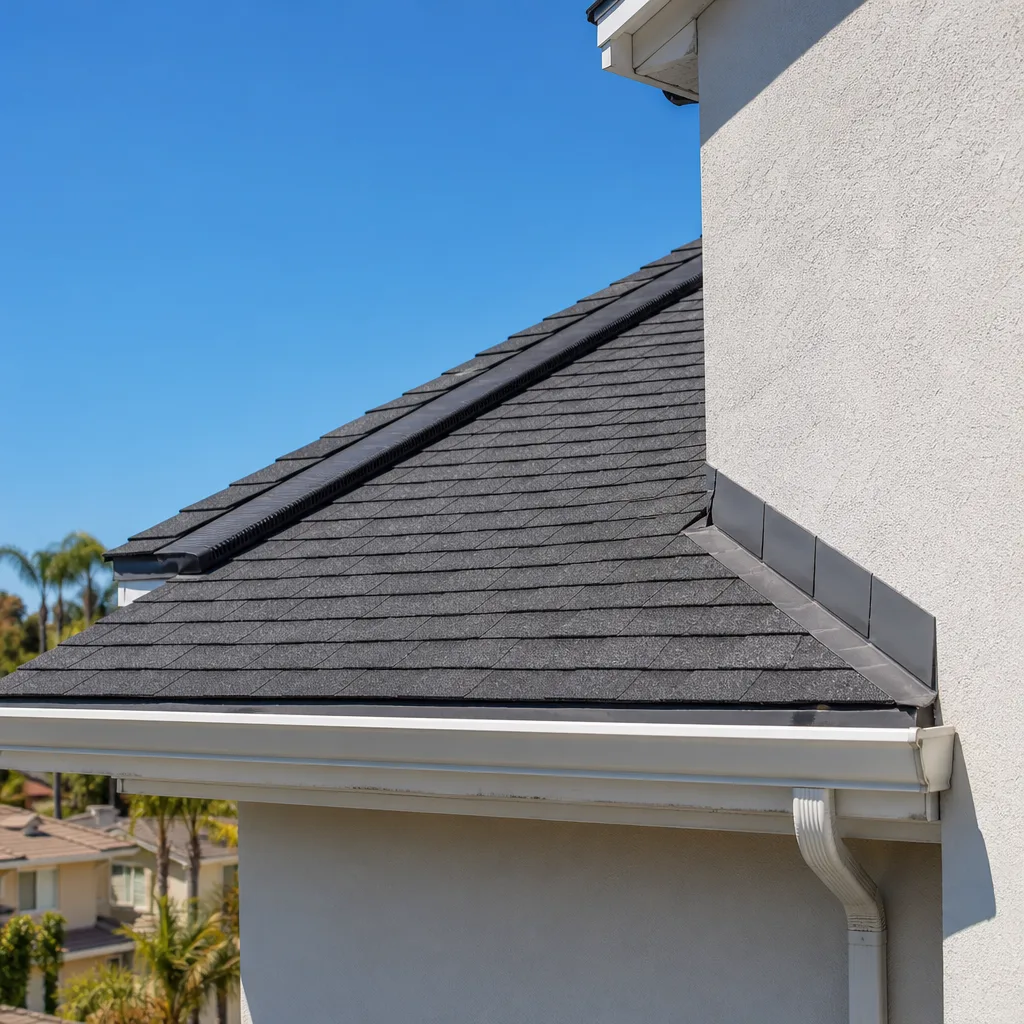
When a roof is being replaced anyway, upgrading the underlayment and sealing roof decking joints is one of the highest-value moves a homeowner can make. Better underlayment and sealed decking reduce water intrusion when shingles are compromised, which is exactly what happens after hail. If you’re already replacing a roof, this is a modest incremental cost that pays back during the next event. We work with GAF, CertainTeed, Owens Corning, IKO, Atlas, and Tamko systems, which lets us match the material to your home’s needs rather than pushing a single brand.
Impact-Rated Garage Doors and Reinforcement
A garage door is a large, flat target in a wind event, and it’s often the first part of the building envelope to fail. Reinforcement kits and impact-rated doors are a practical upgrade for McKinney homes that sit more exposed to wind. When a garage door fails, the pressure change can compromise the roof structure behind it, so the door is more structurally important than most people realize.
Foundation Drainage and Grading
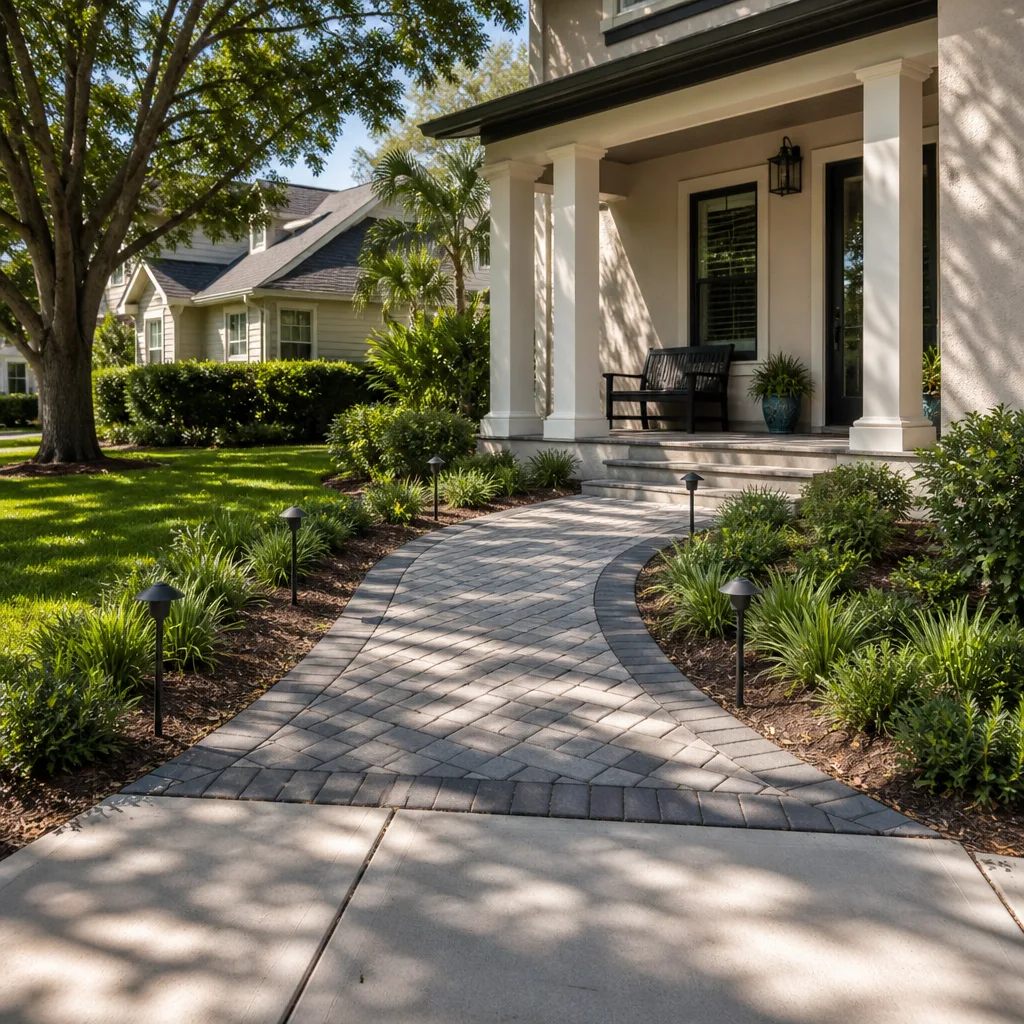
Water pooling against the foundation is a chronic and underappreciated problem. Correcting grading, extending downspouts well away from the house, and installing proper drainage reduces foundation movement and the water intrusion that follows heavy rain. This is also where our driveway & pavers work makes a difference: proper drainage is built into how a good paver installation sits against the house, and brands like Belgard, Tremron, and Techo-Bloc offer permeable and properly graded systems that handle runoff without turning your front yard into a mud pit.
Impact-Rated Windows and Doors
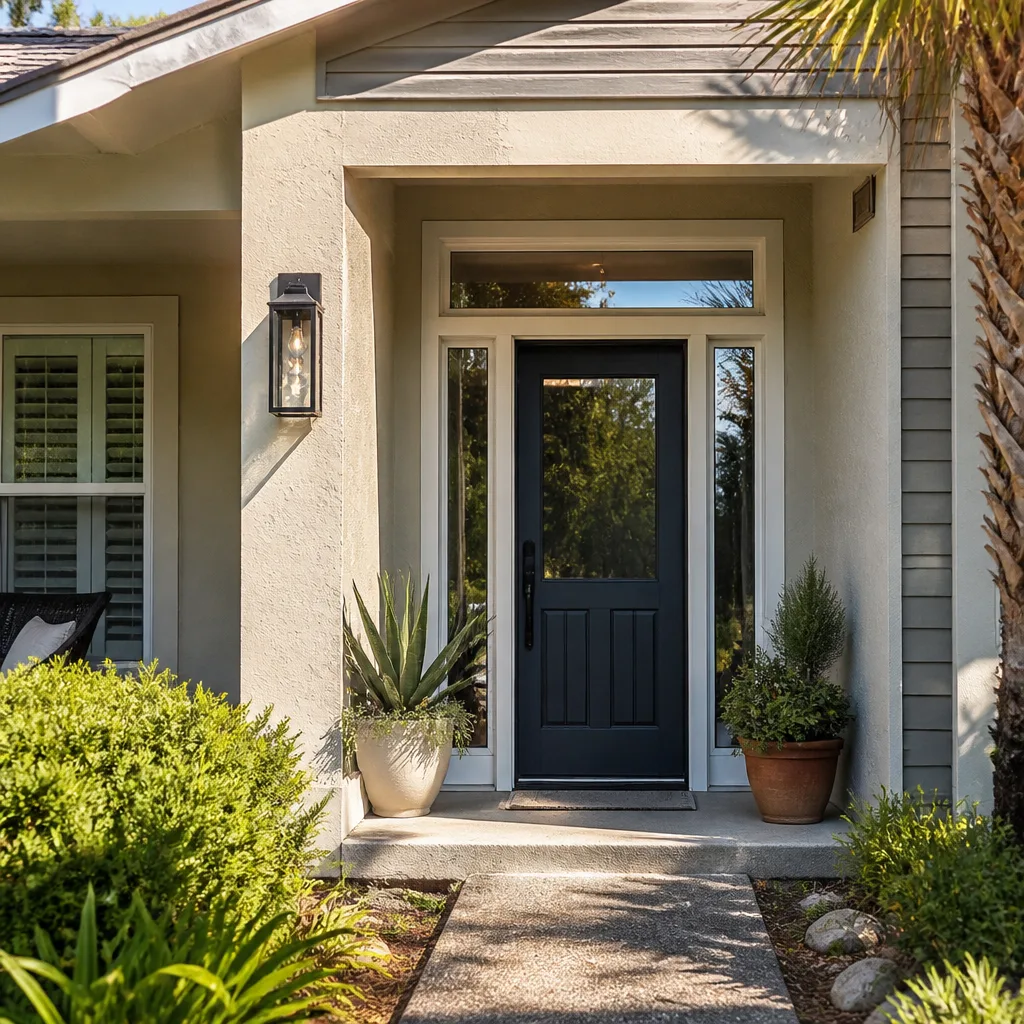
Window and door systems rated for impact and wind pressures reduce the chance that a broken pane turns into a wind-driven water intrusion. We work with PGT, CGI, and Therma-Tru lines, among others, and can match the system to your home’s existing design and performance requirements.
Fence and Perimeter Hardening
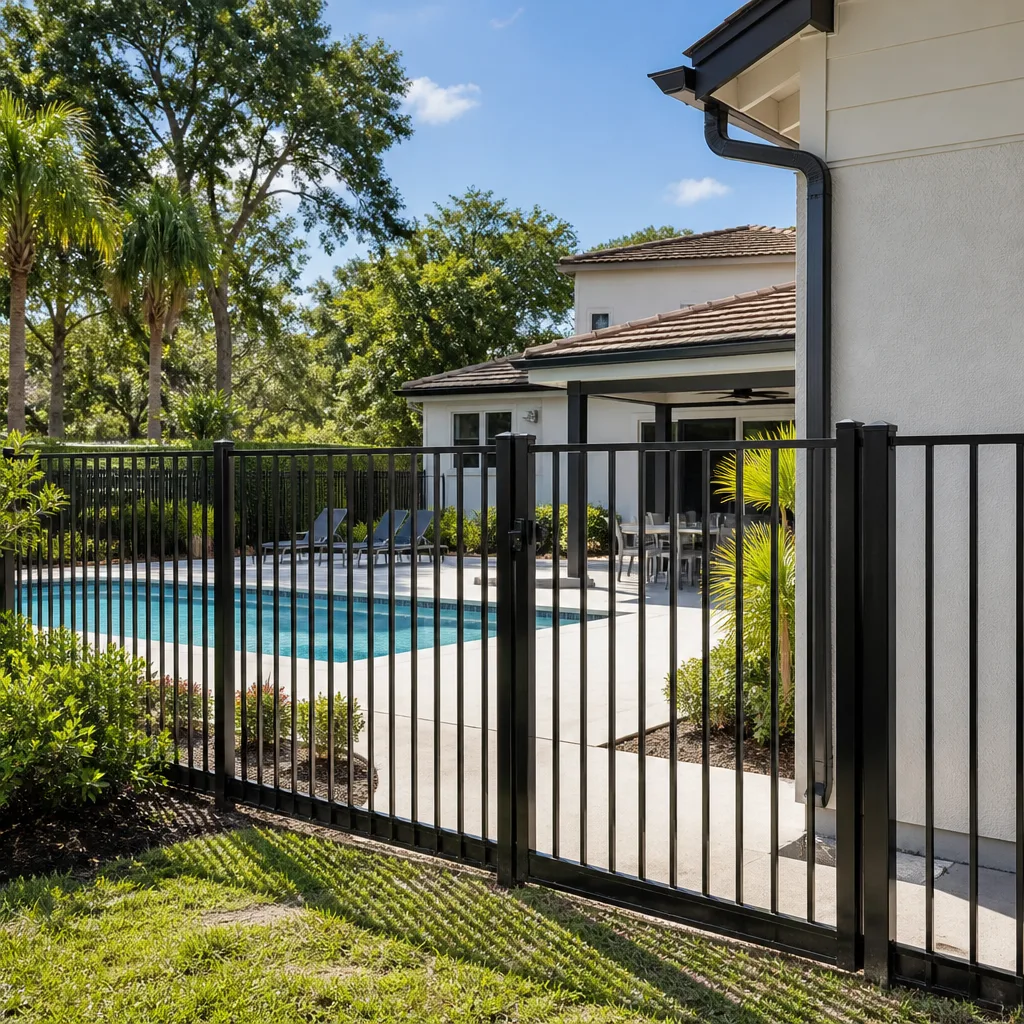
A fence is the most visible part of the home that fails in a wind event, and a good installation with appropriate posts and fastening handles wind far better than a light installation. If your fence is due for replacement, it’s worth doing the fence installation properly the first time rather than patching a failing fence after every storm.
Water Leak Detection
A smart water shutoff valve or leak sensor at the main line is one of the lowest-cost upgrades with the highest potential payoff. It catches the slow leak before it becomes a flooded floor, and it’s become standard equipment in well-prepared McKinney homes.
How Do You Spot a Legitimate Contractor After a Storm?
After a significant storm, the McKinney market fills with out-of-town contractors chasing the work. Some are legitimate and will do a good job. Some are not, and a bad decision here is far more expensive than a bad decision in a calm market. The difference is almost always visible in the paperwork and the questions they’re willing to answer.
The legitimate contractor will:
- Provide a written line-item estimate that separates labor and materials, rather than a single lump sum on a slip of paper.
- Show proof of insurance and a state license where required, without being asked twice.
- Have a local address and a verifiable business presence, rather than a P.O. box or an out-of-state number.
- Offer a written workmanship warranty as part of the estimate.
- Not ask for full payment upfront. Standard practice is a deposit and progress payments.
- Not offer to “handle your insurance claim for you” as a way to inflate the scope. We can work with your insurer, but the scope should reflect the actual damage, not the maximum the policy will pay.
The storm chaser’s pitch is the mirror image. Full payment upfront, verbal promise, no paper trail, no insurance certificate, no warranty, a phone number that’s going to be disconnected next month. If a contractor can’t show you a written estimate and an insurance certificate, there is no relationship to have. Our advice to McKinney homeowners is simple: slow down, ask for the paperwork, and walk away from anyone trying to close a deal on the spot.
What Does the Post-Event Recovery Timeline Look Like?
Recovery after a construction emergency runs in phases, and each phase has a decision point that affects the next one. Getting the sequence right reduces cost, stress, and the risk of a second emergency layered on top of the first.
- Immediate safety and shutoff (first hours). Stop the source of damage: shut off water, gas, or power as needed, evacuate if there’s any danger, and document the scene.
- Temporary stabilization (first day). Tarp the roof, board broken windows, extract standing water, and begin drying interior spaces. All temporary work should be photographed and kept on receipts.
- Insurance documentation and filing (first 24 to 72 hours). Complete the documentation package, file the claim, and get the professional inspection report attached.
- Permanent repair scoping (days to weeks). Get written line-item estimates from contractors you’ve vetted. Where possible, use a single contractor who can coordinate the whole scope rather than juggling roofers, drywallers, and window installers.
- Repair and rebuild (weeks to months, depending on scope). The work itself, with inspections as needed.
- Prevention for the next event (after the dust settles). Once repairs are done, address the vulnerabilities the event exposed. This is where the hardening upgrades earn their keep.
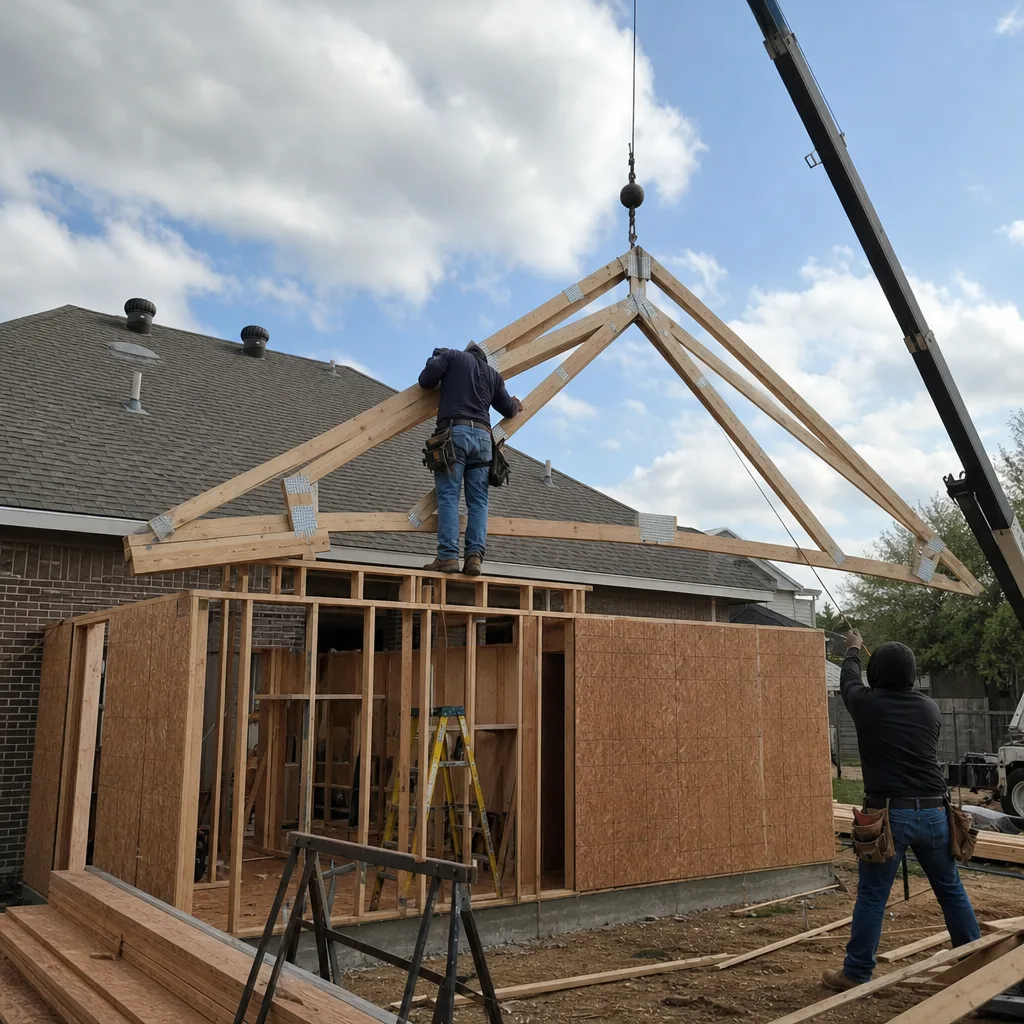
Where a single contractor can handle the full scope, the timeline compresses. This is a place where our integrated scope genuinely matters: a home that needs roof repair, window replacement, and fence replacement can be coordinated under one relationship rather than three separate schedules. Home additions and structurally significant work sometimes come out of a major event too, and those are handled through our home additions & ADU scope.
Common Mistakes to Avoid
- Waiting to document. Photographs taken three days after a storm are less persuasive than photographs taken the same afternoon. File the claim in the first 48 hours if you’re going to file at all.
- Doing temporary roof repairs yourself. Falls are the real emergency here. A fall off a wet roof is a serious injury and a much bigger problem than a missing shingle. Leave roof access to trained technicians.
- Skipping the pre-freeze routine. Disconnecting hoses, dripping a faucet, and opening cabinet doors are all free. Skipping them during a hard freeze in McKinney is the most common cause of interior water damage.
- Not knowing where the main water shutoff is. During an active leak, not knowing where the valve is can cost thousands in additional damage. Find it, tag it, and show everyone in the household.
- Signing with the first contractor who knocks. Post-storm pressure is intense. Walking away from a contractor with no paperwork, no insurance certificate, and no local address is not rude; it’s the most responsible thing you can do.
- Letting a contractor “handle” your insurance claim. We can work with your insurer, but you should be the one directing the claim. A contractor who wants to inflate the scope for the policy is creating a fraud exposure for you, not protecting you.
- Skipping the hardening upgrades after the repair. Once the roof is replaced or the door is reinstalled, the incremental cost of doing it to a higher standard is small. Skipping that step means the next event hits the same vulnerability again.
See the difference
 Before
 After
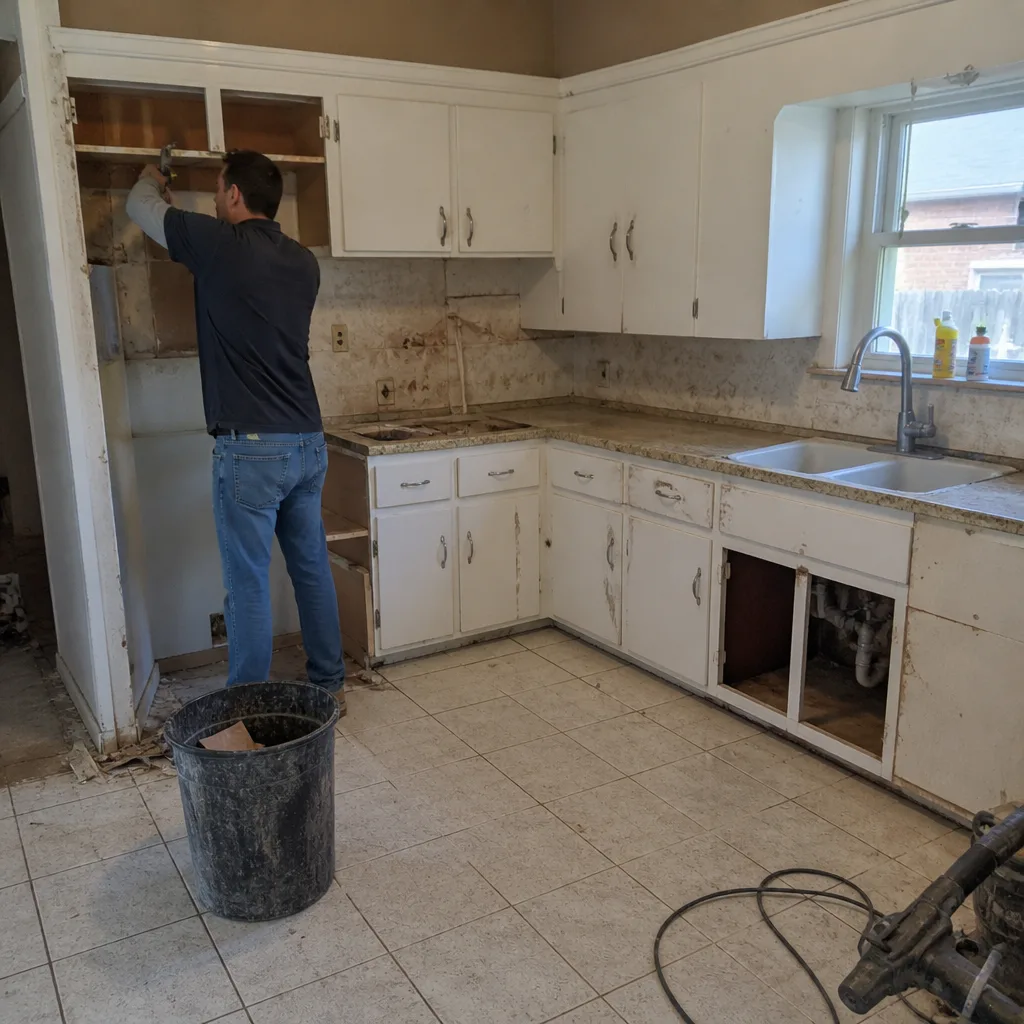 Before
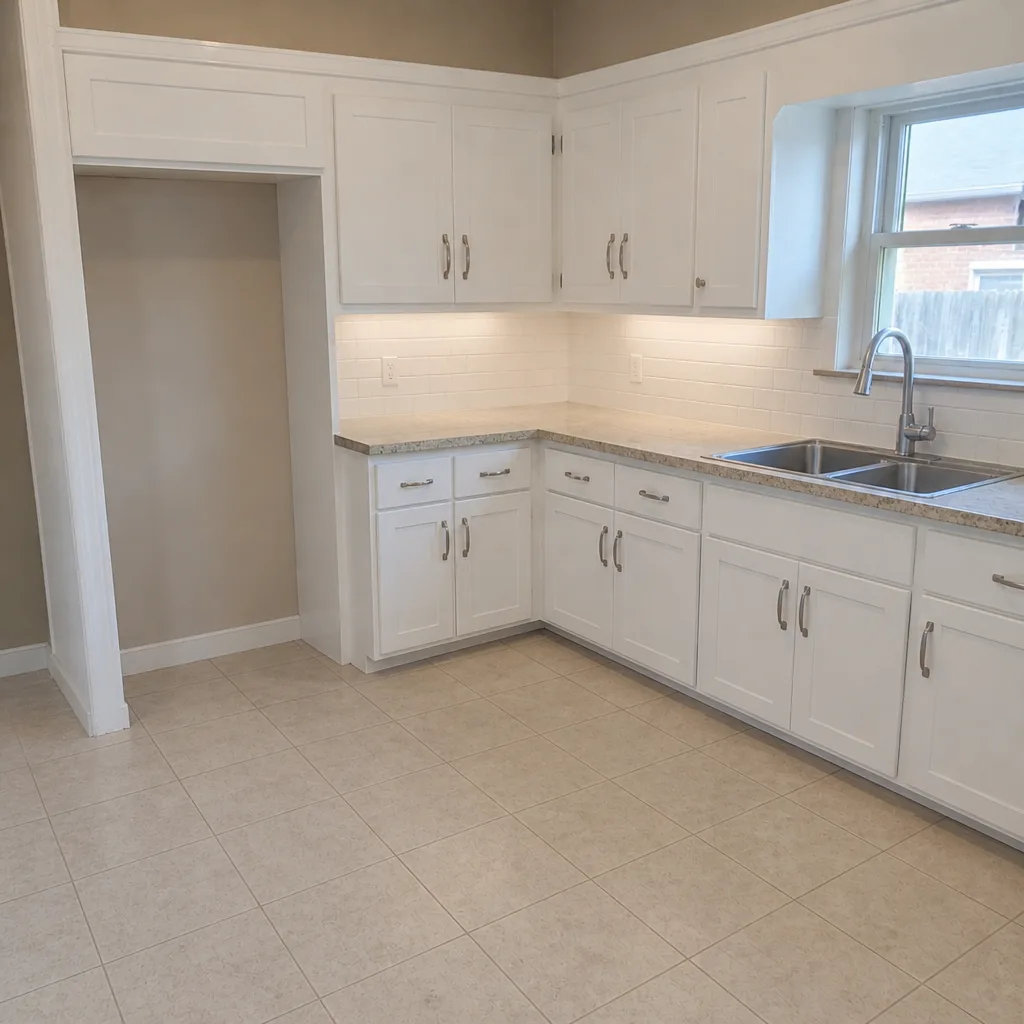 After
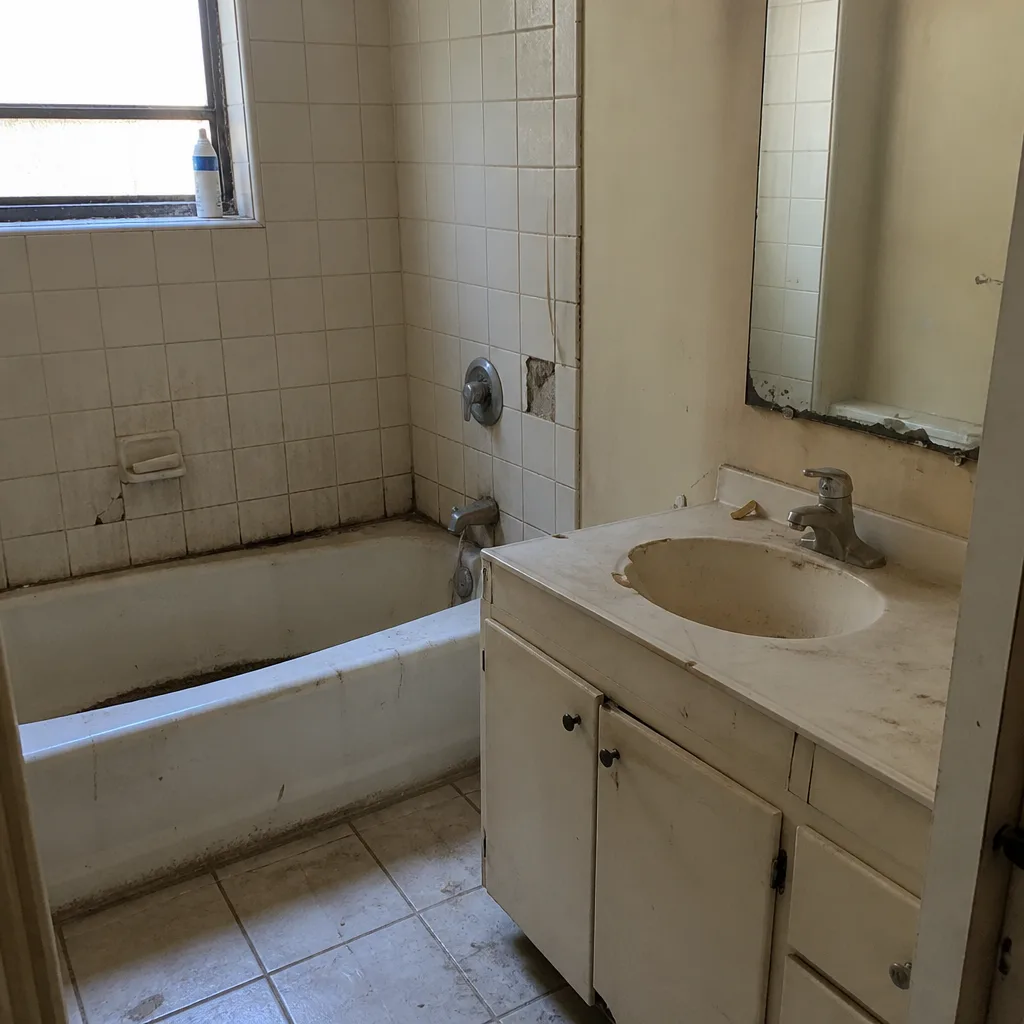 Before
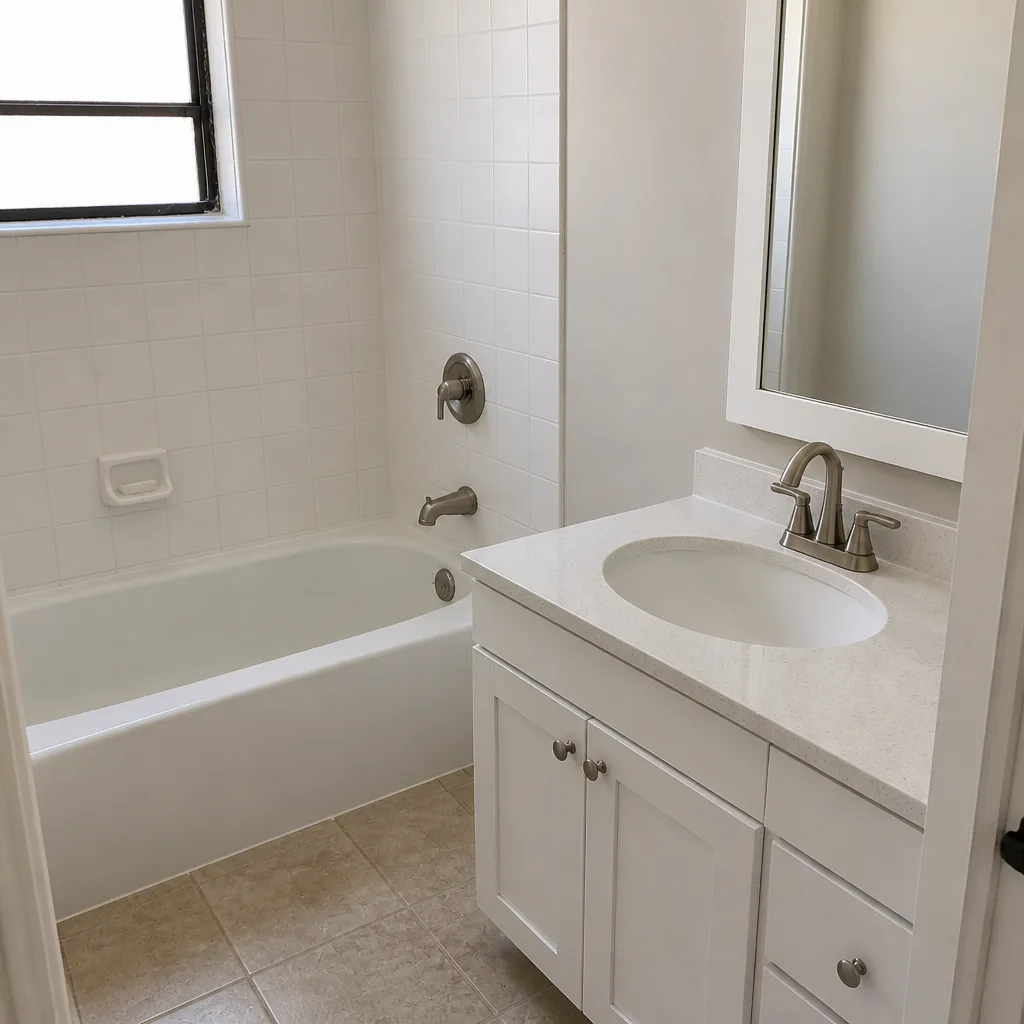 After
When to Call a Professional
Some emergencies need a phone call, and not a heroic attempt at home. Call a professional for any roof access beyond the ground, for gas line issues that require restoration of service, for electrical work involving the panel or any wiring that got wet, for foundation drainage correction, and for any structural repair that came out of a storm event. Our technicians have up to 10 years of experience and can assess the scope, help with documentation, and provide a written line-item estimate with no change orders. Construction McKinney offers free estimates in McKinney. Call (844) 761-9152 to schedule yours. We answer 24/7. Fast dispatch from 7am to 7pm, Sunday through Friday.
Frequently Asked Questions

Disconnect exterior hoses, locate and tag your main water shutoff, drip one or two faucets, open cabinet doors under sinks on exterior walls, keep the thermostat steady, and shut off water entirely if you’ll be out of town. These steps address the plumbing vulnerabilities that most North Texas homes carry: uninsulated exterior wall cavities and garage-adjacent lines. For an exact scope of what your home needs, call (844) 761-9152.
Photograph the roof, gutters, downspouts, and any ground-level damage from a safe position, note the time, and call for a professional roof inspection. Don’t climb on the roof yourself. Documentation from the first hour carries more weight with insurers than anything captured later. Call (844) 761-9152 to schedule an inspection.
A properly installed temporary tarp supports a claim; an improperly installed one can complicate it. The risks are nailing through undamaged shingles, weighting the tarp with bricks that blow off, and trapping water. Have a professional do the temporary repair and document it with photos and receipts before you file. Call (844) 761-9152.
A legitimate contractor provides a written line-item estimate, shows proof of insurance, has a local business presence, and stands behind the work with a written warranty. A storm chaser wants full payment upfront, works from verbal promises, and can’t show you a certificate of insurance. If it feels rushed, it’s the wrong relationship. Call (844) 761-9152 to talk to a contractor who will put the estimate in writing.
For the money, improved roof underlayment and sealed roof decking during a scheduled roof replacement delivers the strongest return, followed by a smart water shutoff valve and corrected foundation drainage. Impact-rated garage doors are worth the investment for homes exposed to wind. All three address the vulnerabilities that show up here most often. Call (844) 761-9152 for a free estimate on any of them.
Yes. Repairing storm damage and upgrading to a higher standard can happen in the same scope of work, which is often the most efficient path. We can coordinate roofing, windows, doors, fencing, drainage, and interior restoration under one contractor relationship rather than three or four schedules. Call (844) 761-9152 for a free written estimate.
The Bottom Line
Emergencies in McKinney are not random. They come from a narrow set of hazards, and the homes that come through with the least damage share a few habits: they know where their shutoffs are, they document damage fast, they don’t climb on roofs, and they vet contractors carefully. The hardening upgrades that matter most, improved underlayment, sealed decking, a smart leak shutoff, and proper drainage, are modest costs when done during a scheduled repair and hugely expensive when they aren’t. If a storm has already happened, the first 48 hours decide the cost. If it hasn’t, use this guide to get ahead of the next one.
Construction McKinney is a single-source residential construction partner covering roofing, windows and doors, fencing, driveway and pavers, kitchen and bathroom remodeling, and home additions and ADUs. If you’re planning a repair or a hardening project, call (844) 761-9152 for a free estimate. We answer 24/7. Fast dispatch from 7am to 7pm, Sunday through Friday.
Written by the team at Construction McKinney.