Last updated November 17, 2026




Free written scope consultation - allowances, timeline, and change-order rules on paper before a single trade is scheduled
Driveway & Pavers Troubleshooting in McKinney: Common Problems and How to Fix Them
If only one section of your paver driveway is sinking, the problem almost certainly started six inches underground. And here’s the part that surprises people: sealing it or re-sanding it will make things worse, not better, because you’re covering a base failure with a cosmetic fix. It looks like a paver problem. It’s usually a water problem. McKinney sits on some of the most temperamental soil in North Texas, and that soil does things to a driveway that no amount of surface patching can undo. This guide teaches you to read the symptom pattern – edge creep, center sag, corner lift. You’ll get a self-assessment checklist, the red flags that mean “call someone,” and honest answers about what your options are.
Quick Answer
Most paver failures in McKinney trace back to one of three root causes: inadequate base compaction, a drainage flaw that pushes water under the pavers, or expansive clay soil that swells and shrinks with the seasons. Edge creep and corner lift usually point to base or drainage problems. Uniform, shallow settling across a large area often responds to lifting and re-sanding. Polymeric sand washing out is usually a maintenance issue unless the joints are wide enough to signal base movement underneath.
Styles & brands we work with
- Kitchen remodeling
- Bathroom remodeling
- Home additions & ADU
- Roofing
- Windows & doors
- Driveway & pavers
- Fence
Table of Contents
- How do you read a paver symptom map in McKinney?
- Why does McKinney’s clay soil cause pavers to heave?
- When is polymeric sand failure a contractor’s fault versus a maintenance gap?
- How does drainage quietly destroy a paver driveway?
- What should you check before you spend money on a service call?
- When must the base be rebuilt versus repaired from the surface?
- What do the common paver repairs involve?
- How do you keep a McKinney driveway from failing again?
How do you read a paver symptom map in McKinney?
Where a driveway fails tells you why it failed. Before you call anyone, walk the surface and note where the low spots and high spots are. The pattern is diagnostic, and it narrows the problem down faster than any tool.
Edge creep. The pavers along the driveway’s edges migrate outward or sink at the border. This almost always points to a failing edge restraint. Without a solid edge restraint, the pavers have nothing to lock against, and every tire roll pushes them a little further apart. In McKinney, edge creep shows up fastest on driveways that meet a sidewalk or landscape bed where the edge restraint was set shallow.
Center sag. A broad, gentle dip in the middle of the driveway usually points to uniform base settlement or compaction that wasn’t deep enough. It can also mean the pavers were laid over a base layer too thin for the traffic load. Center sag is the pattern most likely to respond to lifting and re-compacting, as long as the base underneath is still structural.
Corner lift or rocking. When a corner of the driveway rises and the pavers rock underfoot, moisture is getting underneath and the base is moving. This is the pattern that worries us most, because it’s the one most associated with clay heave and poor drainage – both of which do not fix themselves.
Joint failure. Widening joints between pavers, especially in a line, mean the pavers are moving relative to each other. Tracking the length and direction of that line tells a technician where the base gave way.
Naming the pattern costs nothing and saves a diagnosis step. A driveway & pavers specialist can read those patterns in person faster than you can describe them over the phone.
Why does McKinney’s clay soil cause pavers to heave?
McKinney sits on expansive clay soils – including montmorillonite-rich clay – that swell when wet and shrink when dry. That movement is seasonal and cyclical, and it’s the single most underappreciated cause of paver failure in North Texas. During wet stretches of spring and fall, the clay absorbs water and expands. The paver bed gets pushed upward. In dry summer stretches, the clay shrinks and pulls away, and the pavers drop back down in a different position than they started. Repeat that cycle through a few seasons and a driveway that was flat starts to look like a gentle wave.
Why this looks exactly like poor installation
Clay heave produces the same symptoms as a bad base: rocking corners, a crown in the middle, joints opening up. Homeowners often assume the installer used cheap paver base material, when the real issue is that the base was built over clay without accounting for moisture movement. The two problems need completely different fixes.
And here’s the key distinction. Poor compaction is a one-time build defect. Clay heave is a soil condition. If a technician re-compacts the same base without correcting drainage and adding a boundary layer that manages moisture, the same heave comes back within a few wet seasons. We’ve seen this happen with pavers from every major manufacturer, including Tremron and Techo-Bloc – the product is fine; the base design is what decides whether it fails.
The practical takeaway for homeowners: if the same area keeps returning to the same fail pattern after repairs, stop treating it as a paver issue and start investigating the clay and drainage underneath.
When is polymeric sand failure a contractor’s fault versus a maintenance gap?
Polymeric sand is the joint binder between pavers, and it fails for two very different reasons. Knowing which one you’re dealing with saves you money and a rebuild.
Signs it was likely the install
- Sand washes out within the first season in strips, not spots.
- Joint gaps are wide and even across a large run – the pavers were set too far apart for proper joint fill.
- The sand never cured hard and stays loose and grainy.
- Water runs across the joints instead of soaking away, indicating the slope was built flat or slightly wrong.
Signs it’s a maintenance gap
- Sand is missing only in high-traffic and water-flow zones, not everywhere.
- The failure started gradually over several years.
- You’ve been pressure-washing the driveway regularly and aggressively.
The pressure-washing issue is the one homeowners underestimate. A wide fan tip at high pressure can blast sand straight out of the joints. We’ve seen driveways in McKinney lose a significant amount of joint sand in a single aggressive wash. If you do wash your pavers, use a wide nozzle, lower pressure, and a surface cleaner designed for pavers – and plan on topping off the sand more often. Re-sanding is a legitimate maintenance item. It is not a substitute for drainage or base repair, though, and that distinction matters when you decide where to spend money.
How does drainage quietly destroy a paver driveway?
Water does more damage to a paver driveway than traffic does. The failure mode is simple: water gets under the pavers and can’t get out. It pools against the base, softens the bedding layer, and in McKinney’s clay it also feeds the swell-and-shrink cycle. Over one or two wet seasons, a drainage flaw that seemed harmless causes measurable settling.
Where the water comes from
- Roof runoff. Downspouts that dump onto the driveway edge instead of being routed away soak the base right where the pavers need to stay locked.
- Yard slope. A yard that grades toward the driveway pushes surface water over the top and into the joints.
- Driveway slope. A driveway pitched slightly toward the garage – or pitched flat – traps water in the wrong place.
- Clogged or missing drainage. Channel drains, French drains, and edge drains all clog over time. When they do, the water has nowhere to go but down.
- Base failures under edges. When the edge restraint fails, water enters through the side and gets underneath, moving both the base and the pavers.
We look at drainage first on nearly every paver repair call in McKinney, because if you fix the pavers without fixing the water, the pavers come back. In most cases, correcting downspouts, re-grading a bed, or adding a shallow drainage channel is less expensive than rebuilding the driveway. The trick is catching it before the base has already moved.
If your drainage issue extends along a property line, a proper fence installation can actually help by defining and stabilizing those edges, though it won’t substitute for grading the water correctly.
What should you check before you spend money on a service call?
Run this checklist before you call anyone. It takes about twenty minutes on a dry morning, and it gives you enough information to make a clear decision – or to describe the problem to a contractor in three sentences.
- Walk the driveway barefoot or in thin shoes. Note exactly where the pavers rock, and whether the movement is on an edge, a corner, or across a broad center.
- Check the edges after a hard rain. Look for washed-out sand, settlement, or paver movement at the border. Edge movement is one of the most common failure points.
- Run a hose on the driveway. Watch where the water goes. If it pools against the house or the garage, or disappears into joints instead of running off the surface, you’ve found a drainage issue.
- Find your downspouts. Note whether they discharge onto the driveway, a bed next to the driveway, or into an extension that routes water away.
- Inspect the joints. Look for missing sand, and note whether the loss is in one area or across the whole surface. Look for widening joints in straight lines.
- Check the base exposure. If you can see the base layer under an edge, look at whether it’s compacted and dry, or soft and damp.
- Note the season. If the problem appeared or got worse in the wet months and not the dry months, that points toward clay and moisture rather than a build defect.
- Compare the problem area to a stable area. If nine sections of the driveway are flat and one is sinking, the problem is local. If the whole surface is settling, you’re dealing with a systemic base issue.
Write down your findings. A contractor who hears “the east edge sinks and rocks after rain, the joints there are wider, and the downspout runs onto that corner” will give you a much more precise estimate than one who hears “my driveway is sinking.”
When must the base be rebuilt versus repaired from the surface?
This is the decision that separates a hundred-dollar repair from a project. The distinction comes down to whether the base layer under the pavers is still structural. If it is, surface and mid-level repairs can work. If it isn’t, surface repairs are a temporary patch that will fail again.
Surface repairs usually work when
- Settling is shallow, uniform, and localized.
- The pavers themselves are intact, with no cracks.
- The base underneath is firm and compacted when you probe through a joint.
- Drainage is already correct or can be corrected without moving pavers.
- The problem area is small enough that cosmetic correction looks natural.
Base rebuild is the honest answer when
- The same area has moved more than once after repair.
- Pavers rock independently rather than rise and fall together.
- Joints have widened in a pattern that follows a line across the driveway.
- You can push a screwdriver into the base through a joint with light pressure.
- Water is pooling under the pavers or the base stays damp after dry weather.
- Edge restraint is missing or loose over a long stretch.
- The failure extends beyond a 10-foot section or across multiple edges.
We often tell McKinney homeowners the same thing: if the base failed because of drainage, and we rebuild the base without fixing the drainage, the driveway will fail again. The right sequence is drainage first, then base, then pavers. Reversing that order is the single most common mistake we see in paver repairs around here.
On bigger projects, pavers are just one part of the exterior. If the same drainage questions apply to the rest of the property, it’s worth thinking about the bigger picture – from the driveway to the roofline, the exterior works best when it’s planned as one system. That’s where we come in as Construction McKinney, handling exterior and interior projects under one contractor relationship instead of three.
What do the common paver repairs involve?
Here’s what each repair is actually doing, so you can compare quotes with confidence. Repairs are quoted per job, and the written estimate sets the final price.
| Repair | What it addresses | When it’s appropriate |
|---|---|---|
| Re-sanding with polymeric sand | Missing joint binder | Sand loss from traffic or washing, with no adjacent settling |
| Edge restraint repair | Paver migration at edges | Edge creep without widespread base movement |
| Lifting and re-compacting (surface re-level) | Shallow, uniform settling | Base still firm; small area; drainage already handled |
| Drainage correction | Water getting under the pavers | Any repair that has failed more than once |
| Base rebuild in a section | Failed base layer under a defined area | Localized movement, damp or soft base, recurring failure |
| Full rebuild | Systemic base and drainage failure | Widespread movement, or multiple failed repairs |
In our experience, most McKinney repair calls fall into edge restraint, localized re-leveling, or drainage correction – not full rebuilds. Full rebuilds are rarer than homeowners fear, but they’re also the honest answer when the symptom pattern says the base is gone. Walking the driveway with you and explaining which category you fall into takes about fifteen minutes.
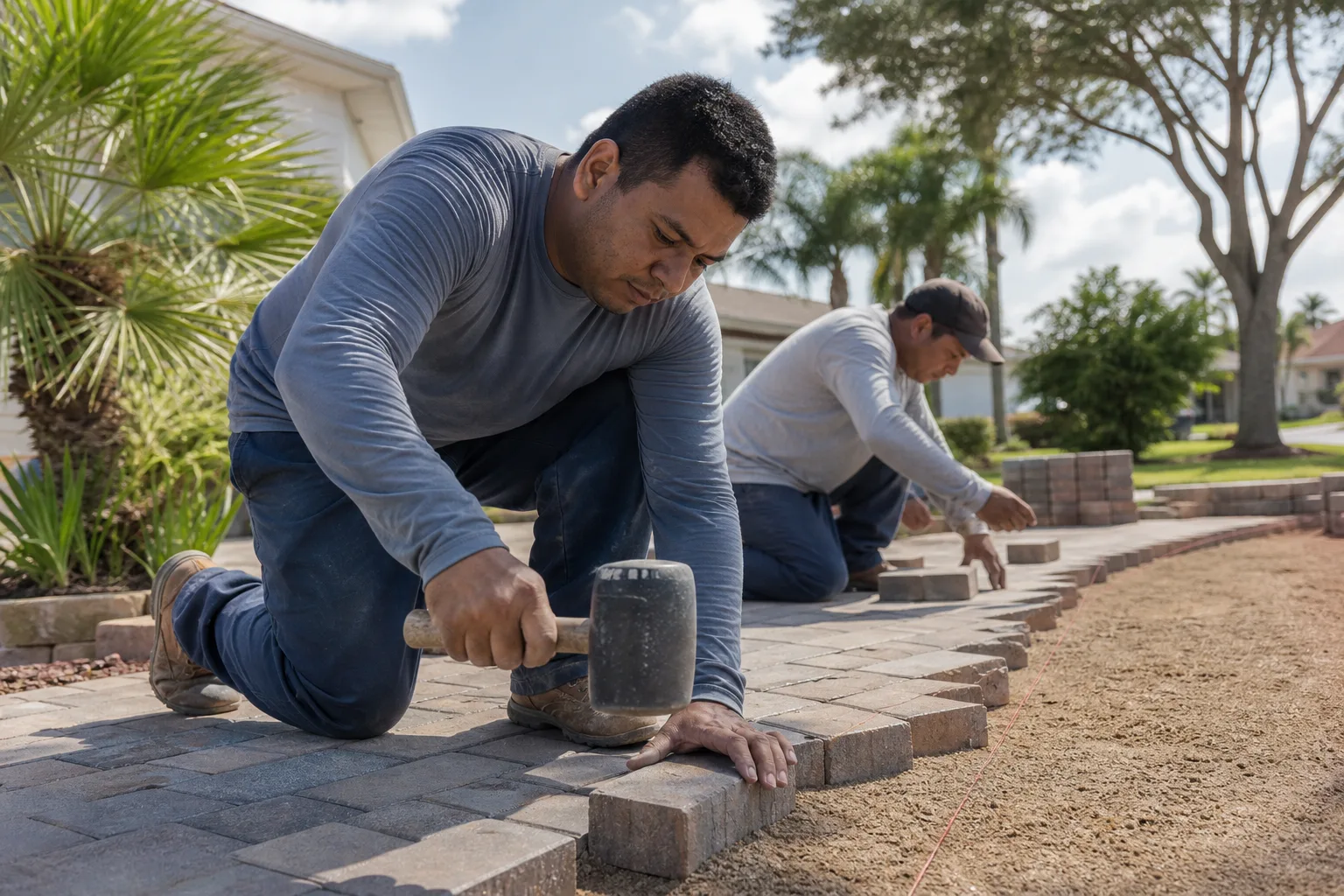
Material continuity matters here too. If a repair pulls pavers and the original product is discontinued, matching color and texture is easier when your repair is quoted against a known brand. We work with Tremron, Techo-Bloc, and Cambridge Pavers, which makes that match less of a headache on a partial rebuild.
How do you keep a McKinney driveway from failing again?
Once the driveway is repaired, the goal is to stop the water and stop the pressure. A driveway that fails once can fail again if the conditions that caused the failure are still there.
- Route downspouts away. Extend them at least a few feet past the driveway edge and onto a graded surface, not onto clay right at the paver line.
- Watch the joints after heavy rain. A quick walk after a big storm tells you whether sand is washing out and where. Catching it early is a small repair; catching it late is a base issue.
- Wash pavers carefully. Use a wide nozzle and modest pressure, or a surface cleaner made for pavers. Aggressive pressure-washing is the most common cause of premature sand loss we see.
- Top off joint sand when it drops. A small bag of sand once a season is cheaper than a re-level.
- Check the grading around the edges. If the bed next to the driveway has settled and now slopes toward the pavers, that’s a drainage problem waiting to happen.
- Keep vehicles turned gently. Sharp, stationary turns on a hot day with narrow tires put stress on joints and the pavers themselves.
- Address a rock early. One rocking paver is a small repair. A rocking paver left alone for a season is a base repair.
The theme here is simple: keep water out and keep the pavement stable. In McKinney, that’s the whole game. Neighbors in Stonebridge Ranch, Craig Ranch, and the older streets near downtown all deal with the same clay, and the driveways that survive best are the ones where the water was routed correctly from the start.
If your project includes a bigger footprint change – adding a garage bay, expanding the driveway for a third vehicle, or planning a separate structure entirely – the drainage and grading should be planned alongside the addition rather than patched in later. That’s the moment to look at home additions & ADU planning before the driveway gets finished, not after.
Common Mistakes to Avoid
- Sealing over a moving base. Sealer stops sand from washing out, but it doesn’t stop pavers from moving. Sealing a driveway that’s already rocking traps water and hides the symptom.
- Re-sanding before you fix the drainage. New sand in a joint with active water movement underneath washes out again in one or two good rains.
- Pressure-washing at full blast. The joint sand that holds the pavers together can be blasted out in a single wash at high pressure. Use the lowest setting that cleans, and expect to re-sand afterwards.
- Checking only the surface. If a paver rocks when you step on it, the problem is beneath it. Surface leveling without checking the base underneath is a temporary fix.
- Ignoring corner movement. A rocking corner is the most common early sign of drainage failure. Waiting to see if it “settles in” almost always makes it worse.
- Letting downspouts dump into a bed next to the driveway. A downspout that discharges onto clay near the pavers is effectively feeding the problem that causes heave and settlement.
- Comparing quotes only on price. A quote that includes drainage correction and a proper base compaction will look higher than one that doesn’t. The cheaper quote is the one that may come back.
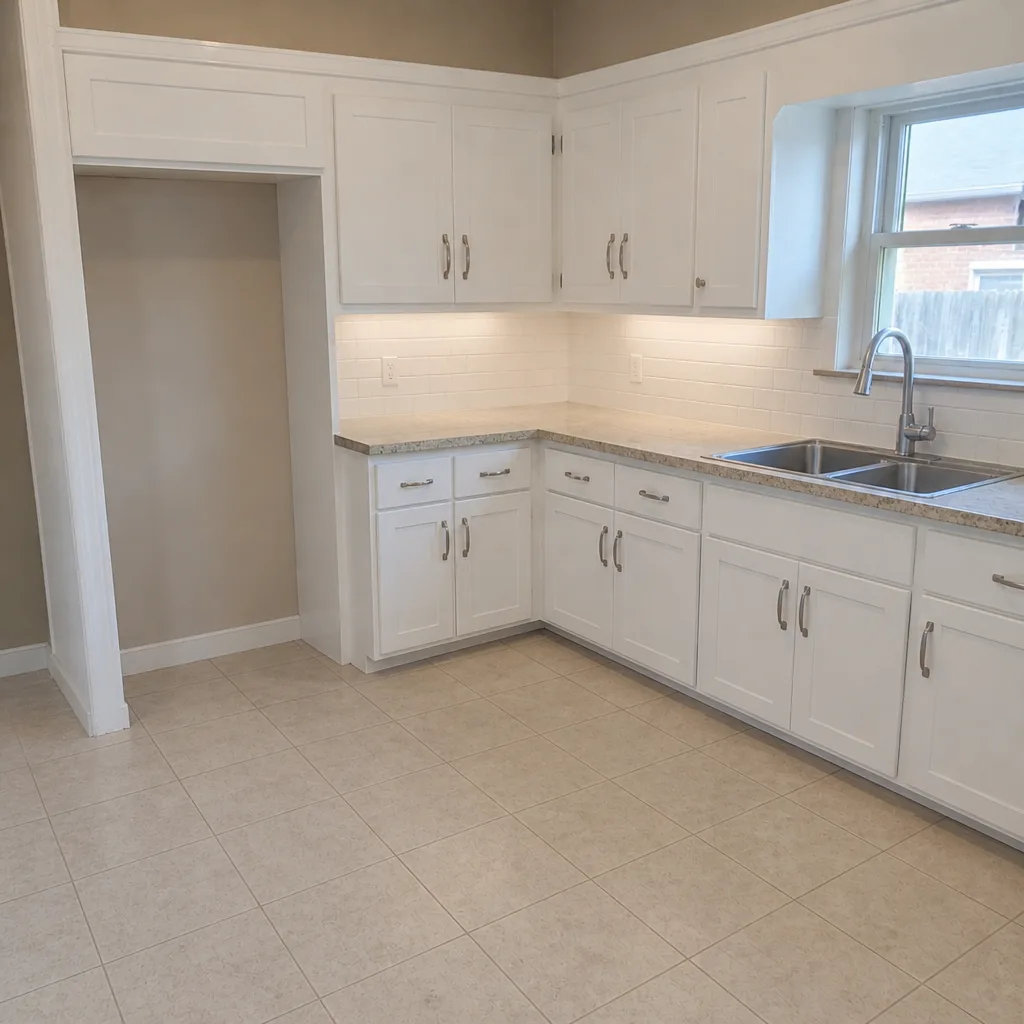
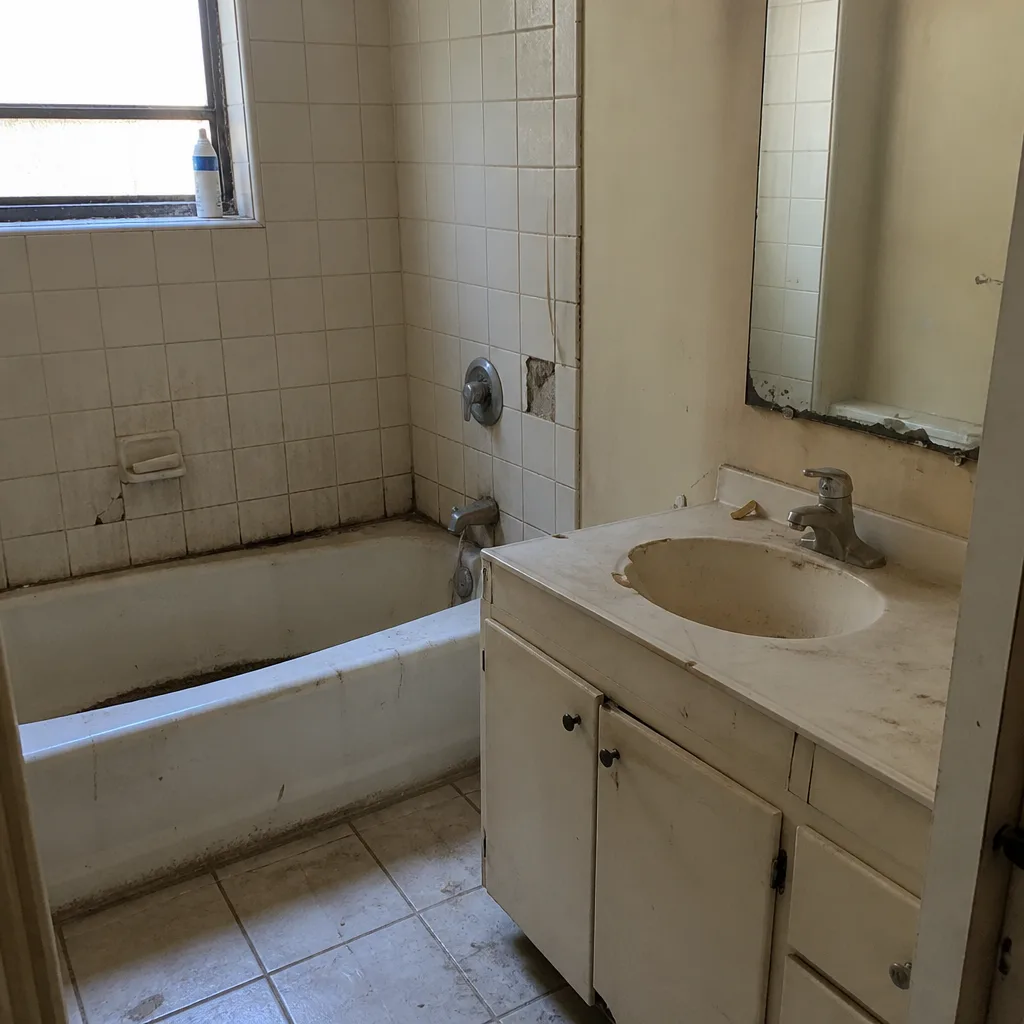
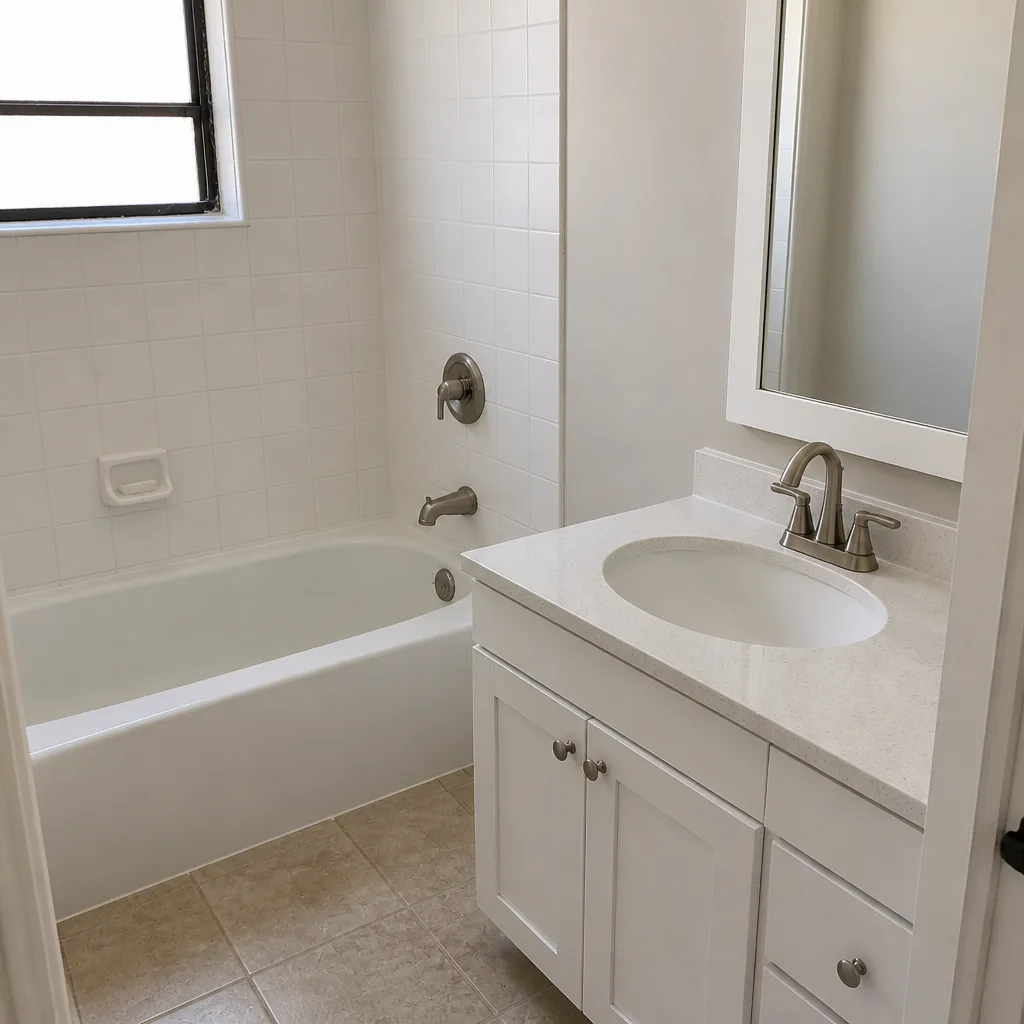
See the difference
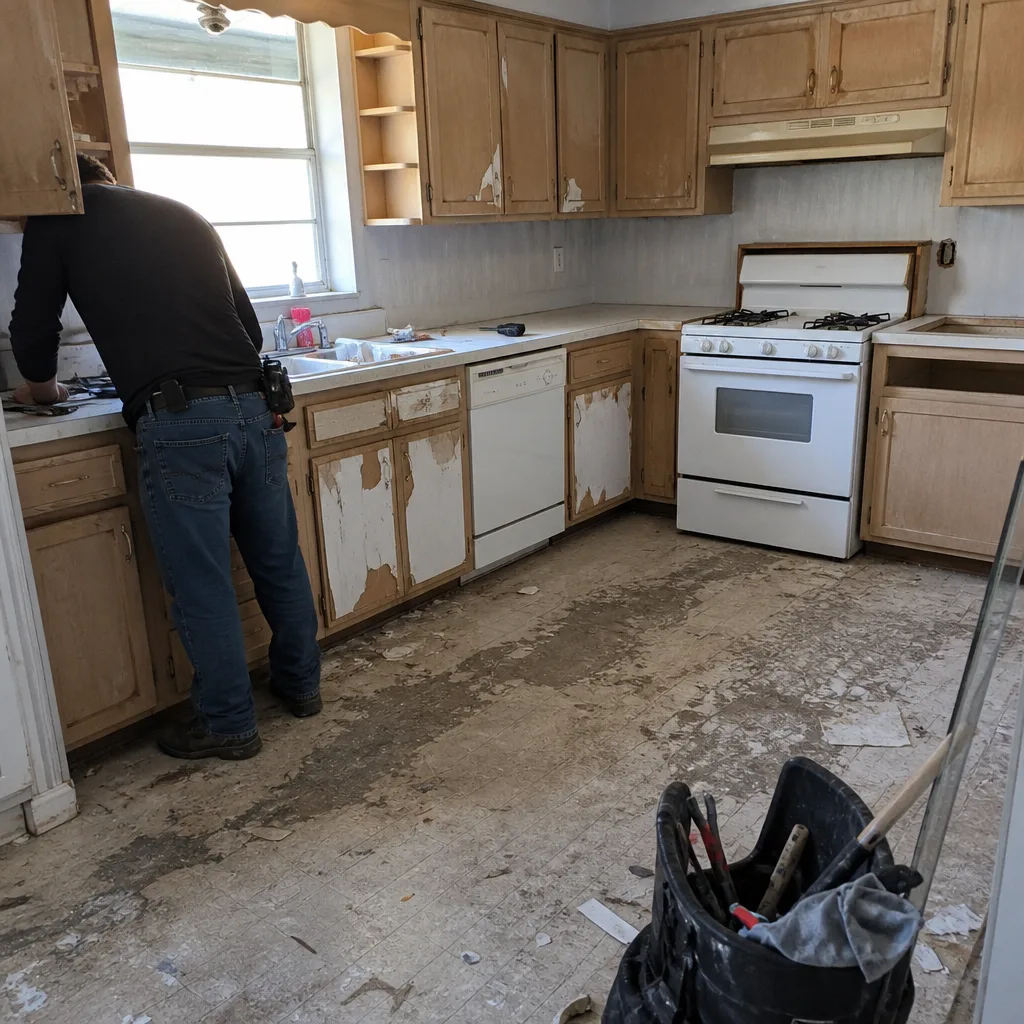 Before
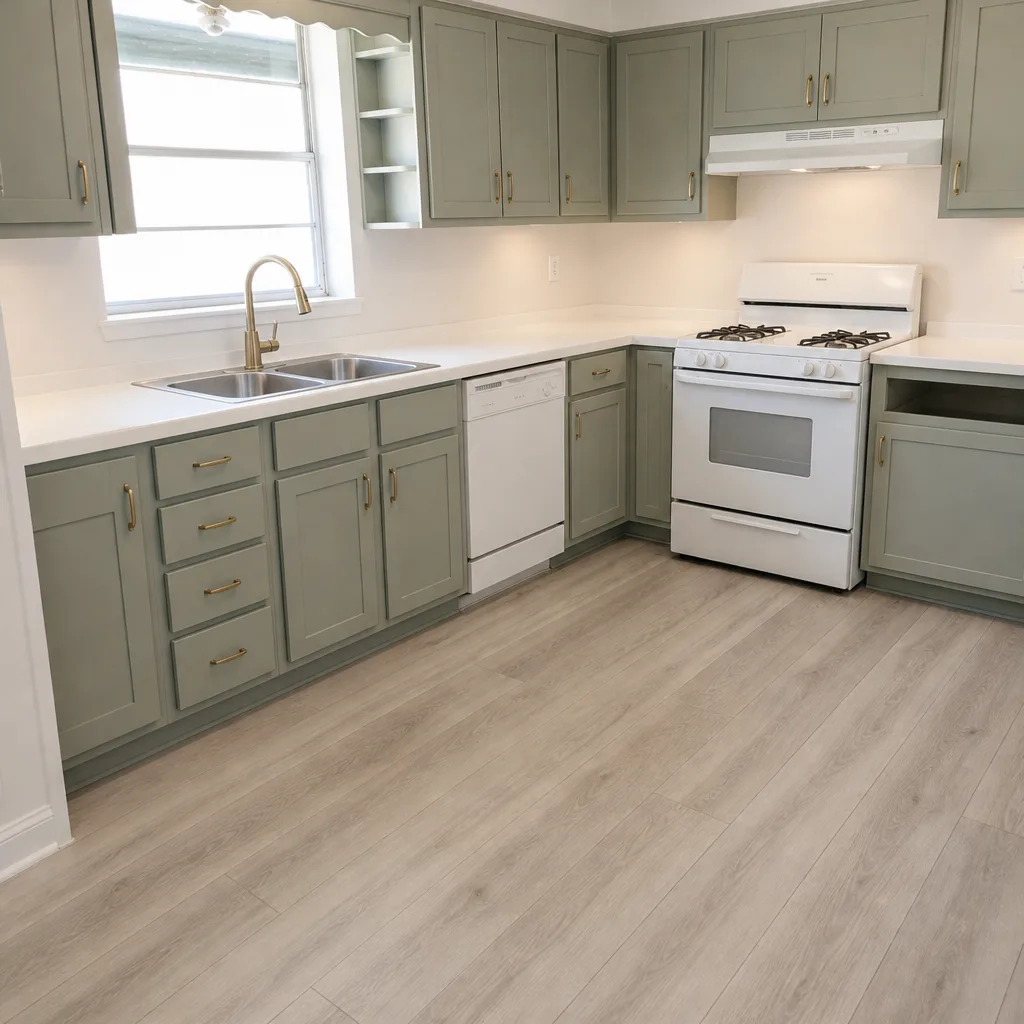 After
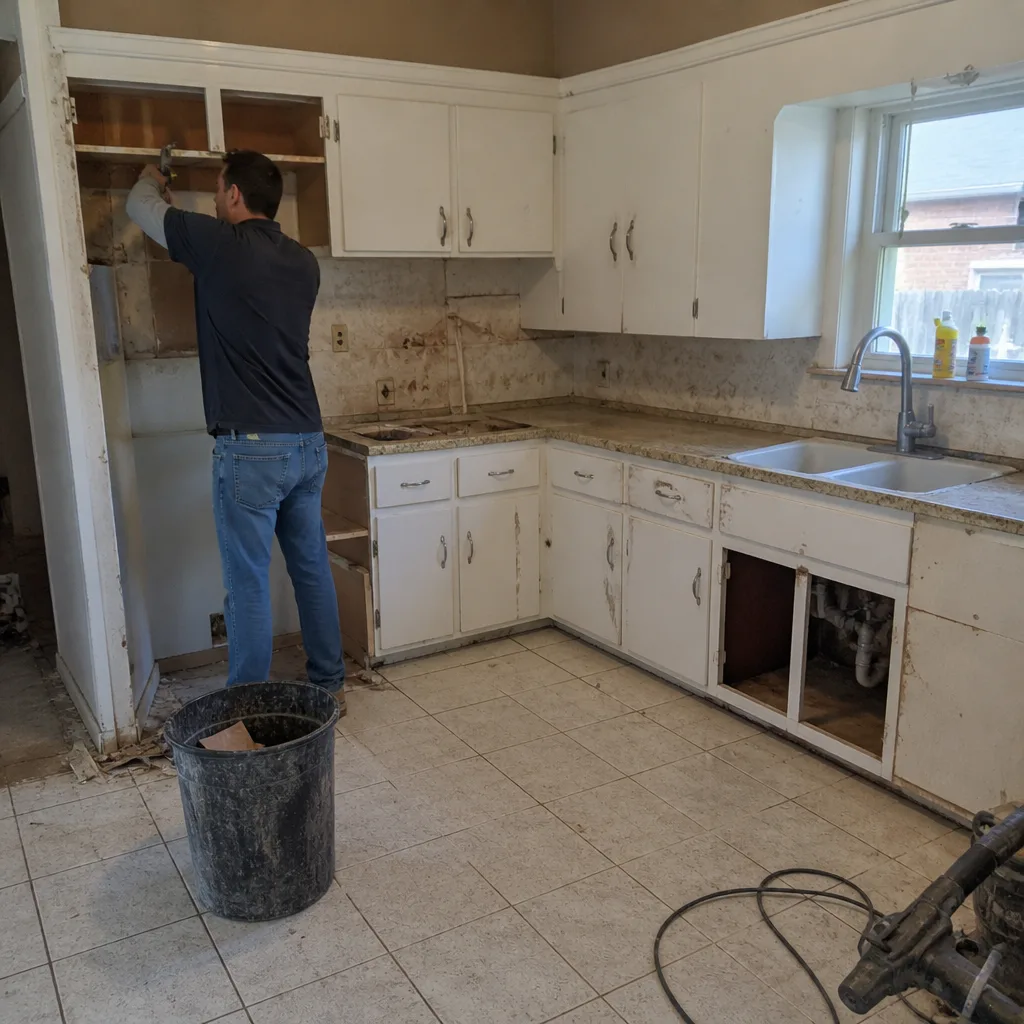 Before
 After
 Before
 After
When to Call a Professional
Call a professional when the failure pattern points to the base, when the same area has failed more than once after a repair, or when you can push a tool into the base through a joint. Call also if water is pooling under the pavers, if the edges are moving over a long run, or if your DIY re-sand and level attempts haven’t held through a wet season. A trained eye reads the pattern, checks the base, and gives you a straight answer about what the driveway needs – which is often less than you feared, and sometimes more than a surface repair can solve. Construction McKinney offers free estimates in McKinney. Call (844) 761-9152. We answer 24/7, with fast dispatch from 7am to 7pm, Sunday through Friday. Our technicians have up to 10 years of experience, and we’re licensed and insured.
Frequently Asked Questions
Because something is moving under that section, not on it. The most common causes in McKinney are a drainage flaw that keeps water reaching the base, an edge restraint that has failed, or clay soil swelling and shrinking underneath. The fix depends on which one it is, and that’s why surface sealing often makes it worse.
Yes, if the failure is sand loss alone with no settling, rocking pores, or edge movement. Re-sanding is a legitimate maintenance task when done with the right polymeric sand and the right technique. If you have any rocking, corner lift, or a pattern of recurring joint washout, stop and get the base checked first. Call (844) 761-9152 for a free estimate if you’re not sure which category you’re in.
Repair costs depend on whether it’s a surface repair, a drainage correction, or a base rebuild. Re-sanding and edge restraint work cost less than re-leveling or a base rebuild. The written estimate from a contractor sets the final price after they’ve walked the driveway and checked the base. Call (844) 761-9152 for an exact quote – estimates are free.
It shouldn’t. A reputable contractor gives you a written, line-item estimate before work begins, and the scope should be clear enough that surprises are rare. The estimate is based on what they can see and probe through the joints. If they find unexpected base conditions once the pavers are lifted, they should stop and explain before doing anything else. Ask for that commitment up front.
Yes, and it’s one of the most underappreciated causes of paver failure in North Texas. Expansive clay – including montmorillonite – swells with moisture and shrinks as it dries, which pushes the base and pavers up and lets them drop back down in a different position. Repeating that cycle produces the wavy, rocking pattern many homeowners mistake for poor installation.
Most repairs to an existing driveway don’t require a permit, but full replacement or major changes to drainage and grading can fall under local rules. Confirm with the City of McKinney before work begins. A licensed contractor should be able to tell you whether a permit is needed and pull it if it is.
The Bottom Line
Most paver problems in McKinney aren’t paver problems. They’re base and drainage problems wearing a paver’s clothes. Read the symptom pattern first: edge creep points to edge restraint, center sag points to compaction, and corner lift points to water and clay. Check your drainage before you reach for sand. Keep water away from the base, and stop pressure-washing aggressively. If the same section has failed more than once, or the base feels soft when you probe, it’s time to have someone look before more money goes into the surface. One contractor, every phase – from the driveway to the roofline – and a free estimate to tell you which repair you actually need.
Call (844) 761-9152 for a free estimate. We answer 24/7, with fast dispatch from 7am to 7pm, Sunday through Friday.
Written by the team at Construction McKinney.