Last updated November 17, 2026




Free written scope consultation - allowances, timeline, and change-order rules on paper before a single trade is scheduled
DIY vs Professional Construction: The McKinney Homeowner’s Decision Guide
Most DIY-versus-hire advice treats the decision as a simple question of nerve and YouTube confidence. It isn’t. In McKinney, the decision runs through three gates most homeowners never think about until it’s too late: what the city will inspect, what your HOA will enforce, and what the North Texas climate does to work that skips a trade’s hard-won detail. The homeowner who frames a fence or hangs a cabinet themselves isn’t wrong. The homeowner who buries posts to the wrong depth or voids a roofing warranty by installing shingles without a certified crew is. This guide gives you a hard-eyed cost-benefit framework for the projects McKinney homeowners actually take on, plus the hidden line items most guides ignore: failed inspections, voided warranties, and what non-standard work does to resale value.
Quick Answer
Some projects are smart DIY in McKinney and some are expensive mistakes, and the line isn’t about your skill. Painting, landscaping, trim work, and minor fence repairs are reasonable DIY. Anything involving permits, structural changes, roofing systems, gas lines, electrical panels, HVAC refrigerant, or HOA-governed exteriors is where DIY goes wrong – not because you can’t do it, but because it fails inspection, voids a manufacturer warranty, or costs more to fix than hiring a pro would have. A written estimate is free, which makes comparing DIY versus a pro easier than comparing two pros.
Styles & brands we work with
- Kitchen remodeling
- Bathroom remodeling
- Home additions & ADU
- Roofing
- Windows & doors
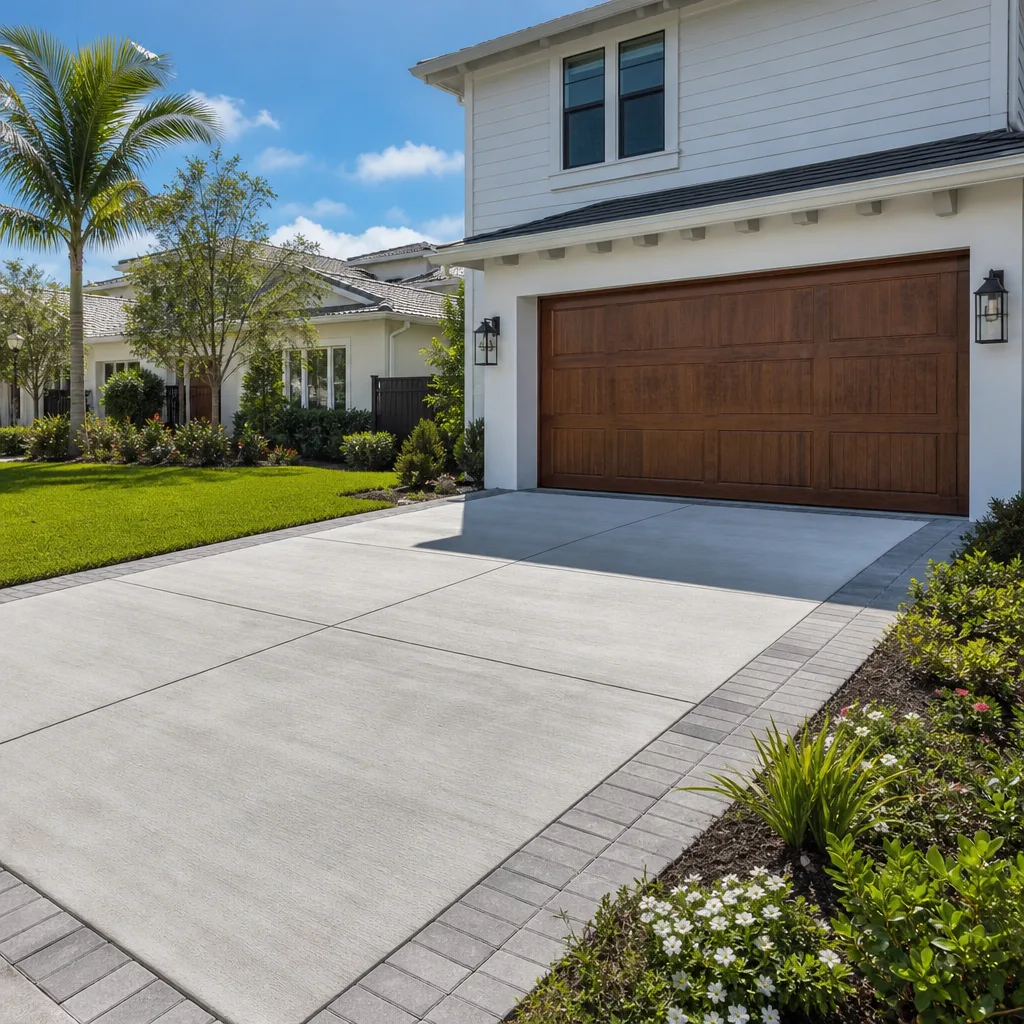
- Driveway & pavers
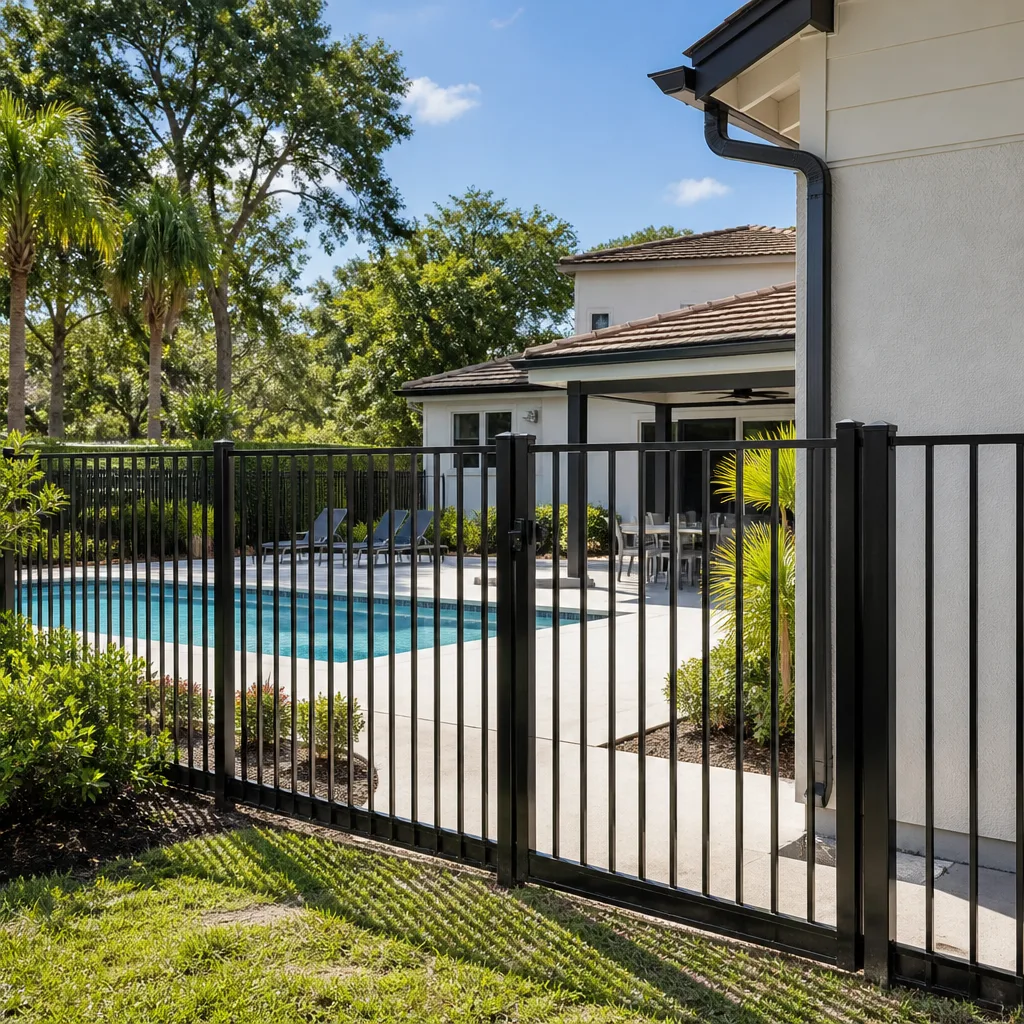
- Fence
Table of Contents
- The McKinney DIY vs Hire Decision Matrix
- Permit Exposure: What McKinney Actually Inspects
- HOA Enforcement and Architectural Standards
- Warranty Voidance: The Hidden Cost Nobody Prices
- True DIY Cost vs Contractor Cost, Project by Project
- Which Texas Work Is Legally Off-Limits to Homeowners
- How Unpermitted Work Gets Discovered – and What It Costs
- North Texas Climate and the Failure Modes of DIY
The McKinney DIY vs Hire Decision Matrix
The right question isn’t “can I do this?” It’s “what’s the penalty if I’m wrong?” For most McKinney homes, four factors decide it: the skill floor, the permit exposure, the HOA rules that apply, and whether a manufacturer warranty hinges on certified installation. Here’s how the most common projects stack up:
- Interior painting and trim: Low skill, no permit, no warranty exposure. DIY-friendly.
- Interior cabinet drawer replacement and hardware: Low skill, but mounting alignment matters; borderline DIY if you’re handy.
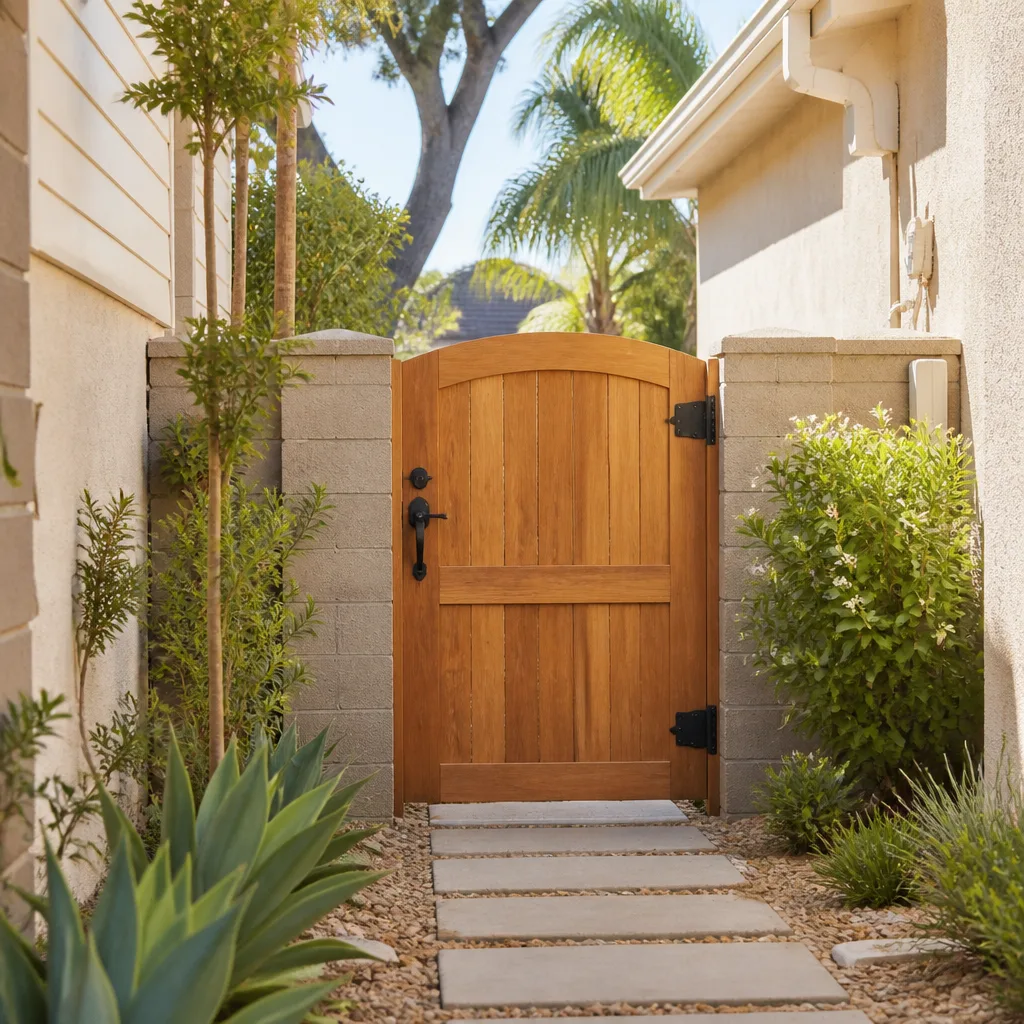
- Basic fence repair and gate adjustment: Low-to-moderate, usually no permit, but HOA height and setback rules apply.
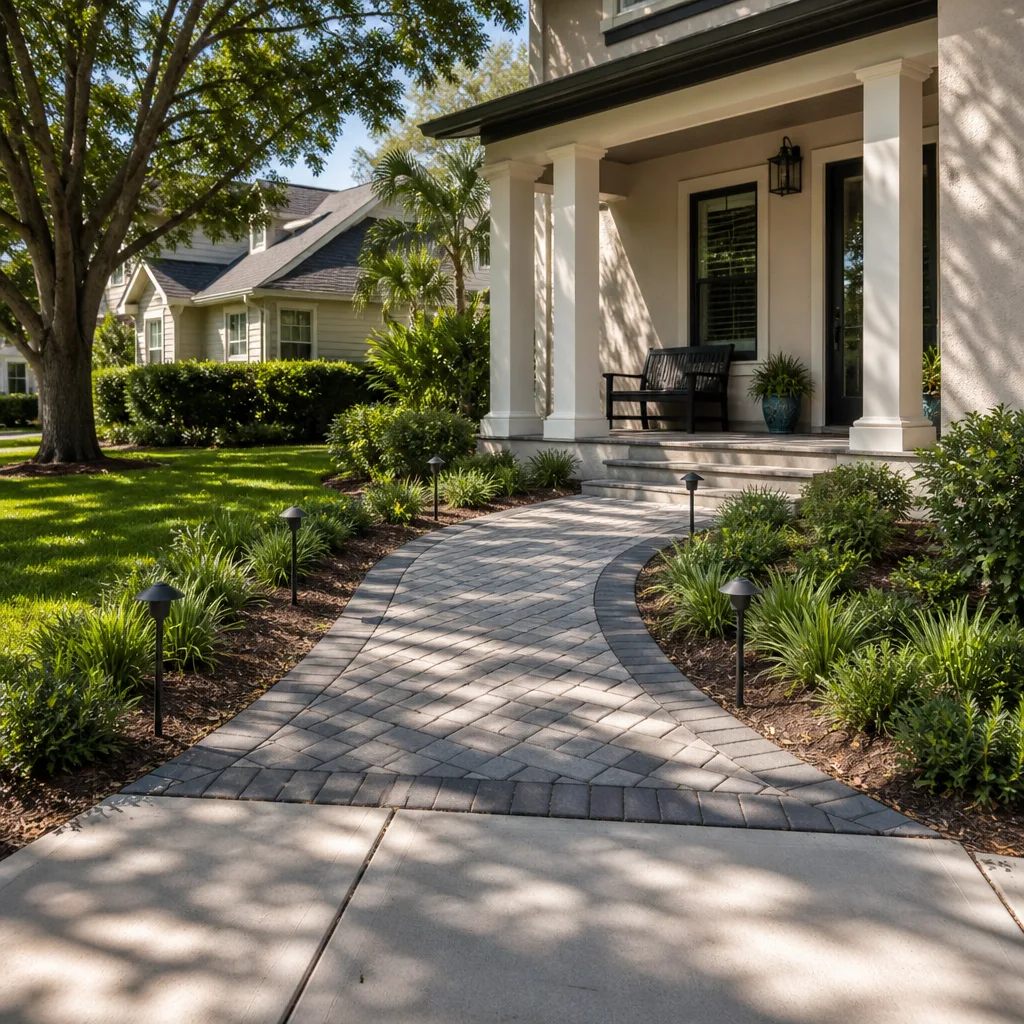
- Paver patio refresh and joint sanding: Moderate, base compaction is where DIY fails, no permit but HOA-visible.
- Full driveway installation: High, requires engineered base, permits and drainage review.
- Roof replacement: High, permit required, manufacturer warranty typically requires a certified installer.
- Window and door replacement: High, permit and structural opening work, warranty tied to installation.
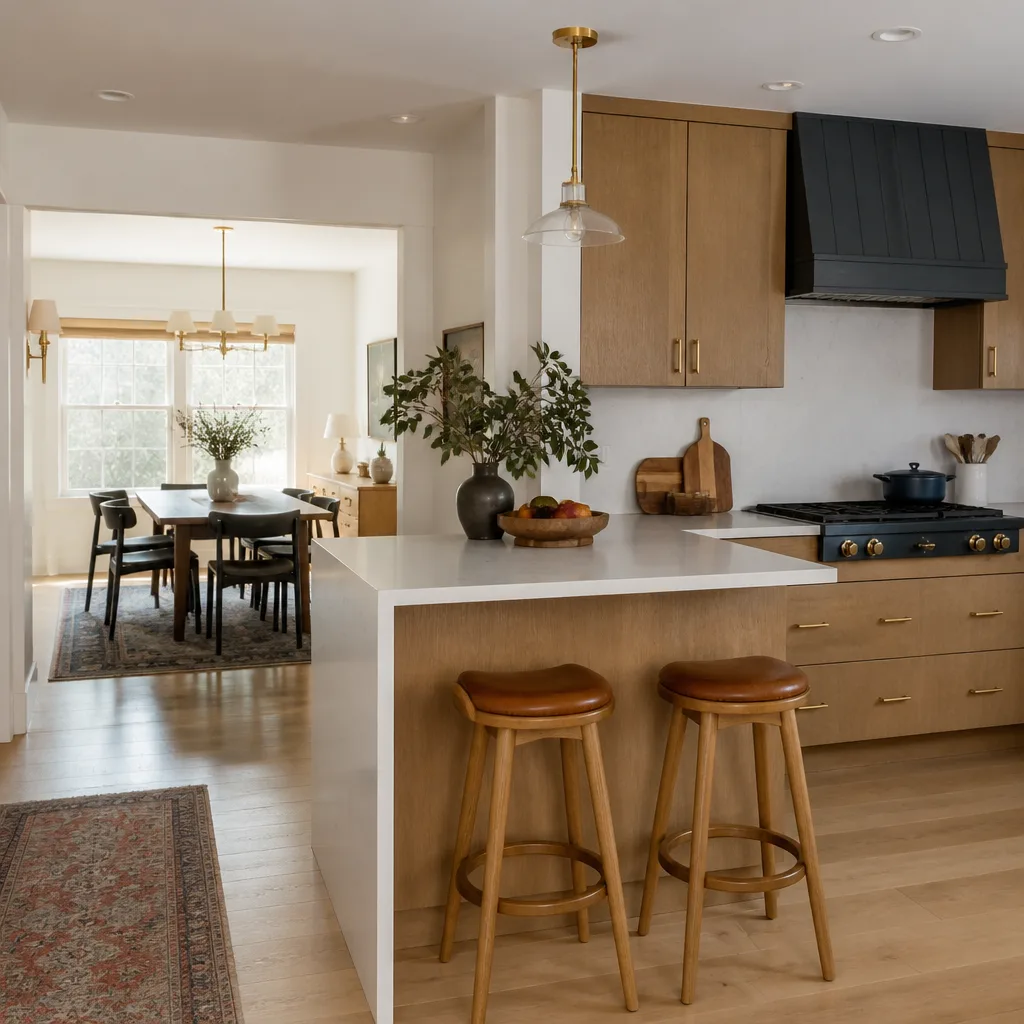
- Kitchen remodel (layout change): High, permits required for electrical and plumbing relocations, warranty exposure on countertops and cabinetry.
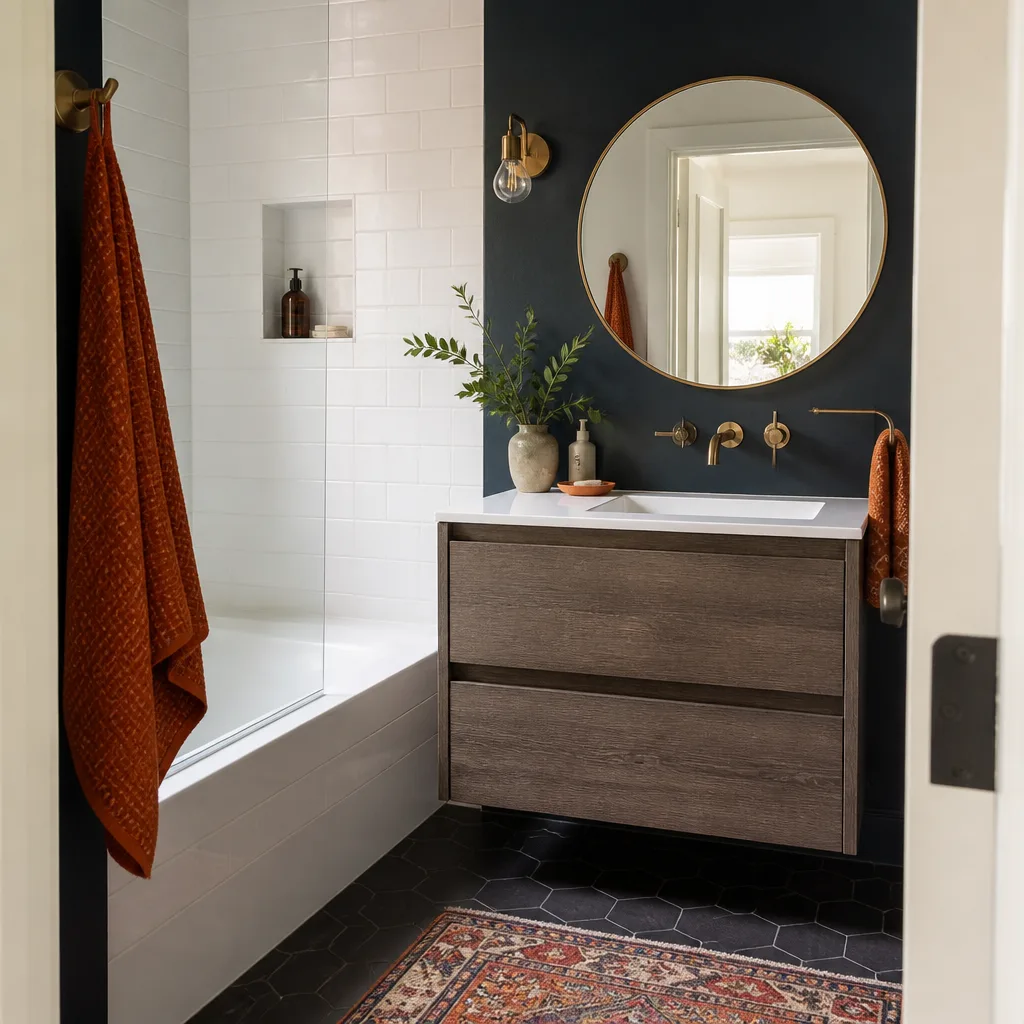
- Bathroom remodel (wet area): High, permits required for plumbing, waterproofing is the single most expensive detail to get wrong.
- Electrical panel, gas line, HVAC refrigerant: Legally restricted to licensed trades – not a skill question.
- Home additions and ADUs: High, full permit and inspection cycle, engineering, HOA approval in most subdivisions.
Read that list again. Notice how the projects with a hard skill floor almost always come with a permit, a warranty, or an HOA rule attached. That’s not a coincidence – it reflects the fact that these projects have real failure modes. Our technicians have up to 10 years of experience, and in our experience the projects that fail in McKinney are the ones where a homeowner made a smart call on skill and the wrong call on permit exposure.
Permit Exposure: What McKinney Actually Inspects
McKinney requires permits for anything structural, anything moving plumbing or gas, anything adding or relocating electrical circuits, anything changing the building envelope, and generally anything that changes the footprint of a home – additions, ADUs, new driveways, and roofs. Decorative finishes and most paint work don’t need one. When in doubt, ask the city’s building department directly; it’s one phone call and it will save you from the worst kind of surprise.
Here’s what actually happens if you skip a permit:
- Nothing today. The work goes up, it looks fine, and you move on with your life. This is the false comfort most homeowners live inside for years.
- Something fails early. A roof leaks, a patio heaves, a bathroom floor sags. You call a pro to fix it. They discover no permit was pulled and tell you so.
- Insurance has questions. If a claim is tied to the unpermitted work (storm damage on a roof installed without a permit, a plumbing leak inside a DIY shower pan), the carrier can reduce or deny coverage because the installation doesn’t meet code.
- A sale happens. Title work, an inspection, or a buyer’s question surfaces the missing permit. In Texas, sellers must disclose known unpermitted work, and the buyer’s inspector will look for it.
- You remediate. Remediation means opening up the work to inspection – often more than the original build. Sometimes it means tearing out and starting clean.
The remediation cost is where the DIY math collapses. A permit and inspection cycle on a straightforward roof or bathroom is a routine cost. Tearing out a bathroom waterproofing mistake and redoing it is not. This is the single largest reason we recommend a permit check before a Milwaukee drill comes off the shelf. If the work needs a green tag from the city, price it as a pro job regardless of your own ability.
HOA Enforcement and Architectural Standards
McKinney has a dense concentration of master-planned and HOA-governed subdivisions – Stonebridge Ranch, Adriatica, Craig Ranch, and Trinity Falls are all communities where architectural review is a real gate. Exterior changes almost always require advance approval from an architectural review committee. That includes fences, roofs, paint colors, driveways, patio covers, and anything visible from the street. When you skip that review, the committee can require removal of the improvement, and the homeowner eats the cost.
The usual failure modes:
- Fence installation: Wrong height, wrong material, wrong post spacing, or a fence that isn’t on the approved list. A contractor who works in McKinney routinely already knows which subdivisions require a specific look.
- Roof color and material: Many communities restrict shingle color and profile. Installing an unapproved product because it was on sale triggers a redo.
- Driveway and paver work: Some associations require specific paver styles, edge restraints, or a concrete apron the city also inspects. Both gates have to be satisfied.
- Sheds and detached structures: Often counted as accessory structures with their own setback and approval process.
- Window and door replacements: Frame color and visible grid pattern are commonly regulated. Changing either without review is a common mistake.
Before any exterior project in McKinney starts, pull the HOA architectural guidelines and note the deadline for review. This one step costs nothing and it front-loads the only risk that truly hurts: redoing finished work. Our fence installation work is a good example of how early review changes the plan; the same material set can be compliant or non-compliant depending on the subdivision.
Warranty Voidance: The Hidden Cost Nobody Prices
Manufacturer warranties on roofing, windows, siding, and many exterior systems are conditional on installation by a licensed or certified installer. The warranty isn’t just a document – it’s the manufacturer’s promise that a trained crew did the work to their spec. When a homeowner installs a roof alone, the material warranty often survives but the labor and system warranty doesn’t. On a shingle roof, that’s the difference between covering a manufacturing defect in the material and covering the labor to tear out and replace an entire slope.
What this means practically:
- Roofing: GAF, CertainTeed, Owens Corning, IKO, Atlas, and Tamko all offer enhanced system warranties that depend on certified installation of the full assembly, not just the shingles. Install the shingles correctly but skip the manufacturer’s required underlayment and ventilation spec, and the system warranty doesn’t apply.
- Windows: Impact-rated and specialty window lines like PGT, CGI, and ES Windows carry installation-dependent warranties. The frame and glass are one system, and how they’re sealed into the opening is part of the warranty chain.
- Siding: James Hardie fiber cement installation specs (fastener spacing, clearance from grade, sealant details) are warranty conditions. Get one detail wrong and the product warranty may be limited.
- Countertops: Engineered stone surfaces from Cambria, Silestone, and Caesarstone have fabrication and installation standards. A DIY install that chips a slab or fails to support it properly can void the surface warranty.
The insurance angle is the one most homeowners don’t see coming. If a claim involves work that should have been warrantied by a certified installer but wasn’t, the carrier may ask why not. Having a documented warranty is a real asset in that conversation. Not having one is not.
True DIY Cost vs Contractor Cost, Project by Project
Here’s the framework we recommend: DIY true cost is materials plus tools you don’t already own plus the value of your time plus the cost of the most likely redo. Contractor cost is the written estimate. Compare the two honestly. Below is that comparison applied to five common McKinney project types – not to specific prices, because those change, but to the categories that drive them.
1. Fence installation
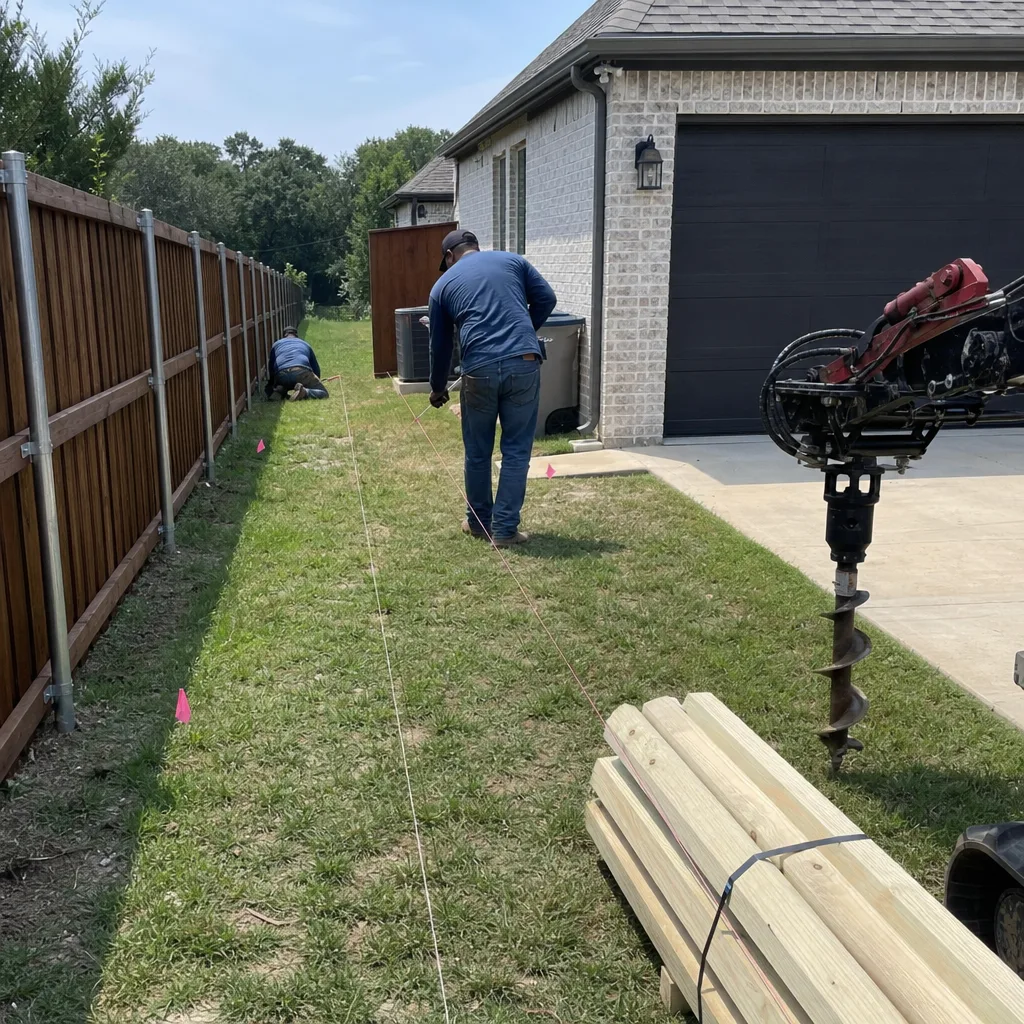
DIY cost includes fence panels, posts, concrete mix (Sakrete or similar), a post-hole digger or auger rental, and a weekend or two. Risk of redo comes from HOA height or spacing rules and North Texas clay soil, which can heave a shallow post. A contractor estimate includes the material set, the posts set to the depth the local soil demands, and HOA-compliant specifications. On a long run or a subdivision with strict rules, the redo risk alone usually tips the decision.
2. Driveway and paver work
DIY cost includes pavers, base aggregate, compaction tools, edge restraints, and a lot of sweat. The failure mode is base prep: a paver driveway on a poorly compacted base develops rutting and shifting within a season or two. A contractor estimate accounts for the base, drainage slope, and a proper compaction sequence. Our driveway & pavers projects almost always involve correcting a prior base that was too thin. It’s one of the most expensive redo categories in the trade.
3. Bathroom remodel
DIY cost includes tile, fixtures, waterproofing membrane, cement board, and plumbing rough-in work. Risk of redo is concentrated in waterproofing: a shower pan that fails slowly destroys a subfloor, framing, and adjacent drywall before it’s discovered. A contractor estimate includes permits, plumbing and electrical rough-in, and a waterproofing system that passes inspection. This is the single worst category to DIY past the finish-work stage.
4. Roof replacement
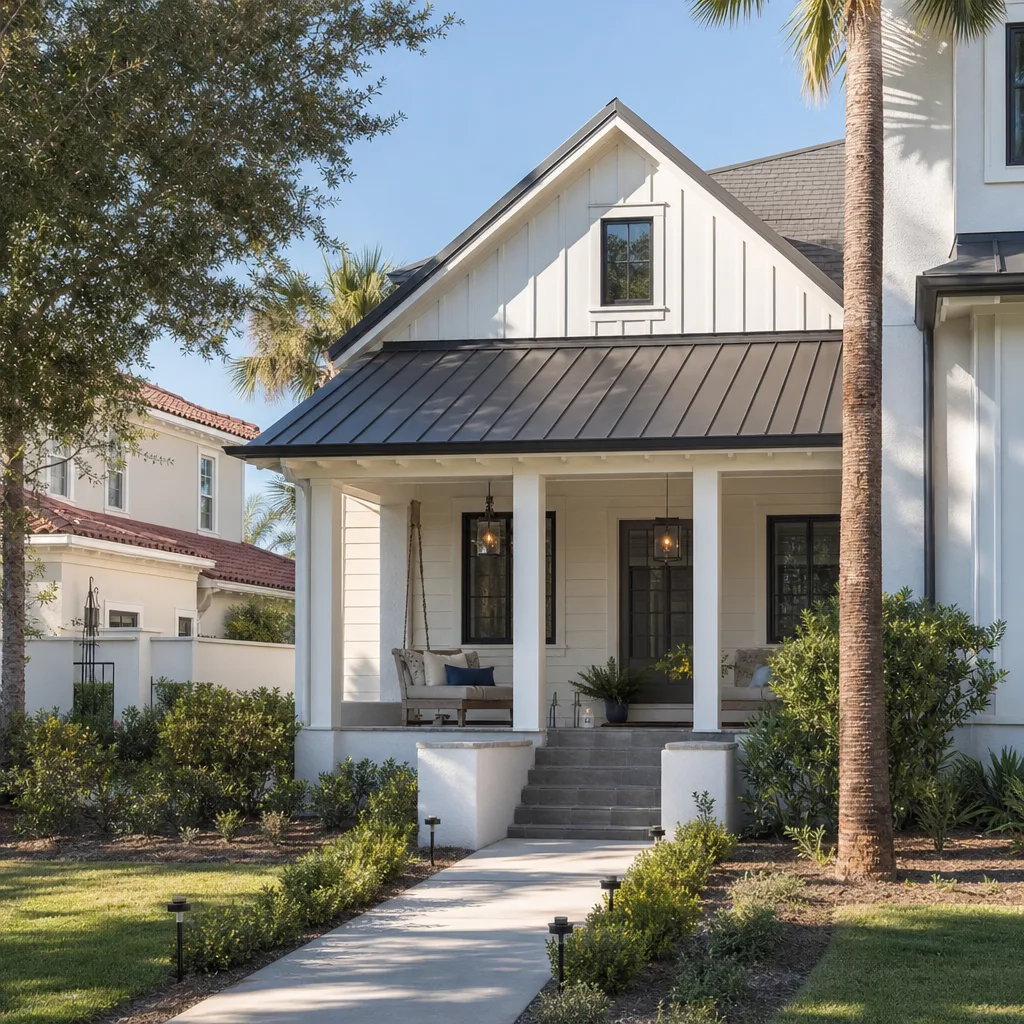
DIY cost includes shingles, underlayment, flashing, ridge vent, and access equipment. Risk of redo is high – attic ventilation and flashing are the two details that fail first. A contractor estimate includes permit, certified installer status, and the manufacturer system warranty. On a McKinney roof, the warranty difference alone can outweigh the material savings.
5. Home addition or ADU
DIY cost isn’t a real category for most homeowners here. The permit and inspection cycle involves framing, electrical, plumbing, and structural engineering sign-off. A contractor estimate includes the full cycle plus the design choices – traditional site-built versus a prefab platform from names like Abodu, Dvele, or Boxabl, which changes the cost and timeline profile substantially. Our home additions & ADU work spans both pathways, and the right answer depends less on budget than on how much site work your lot already has done. Ask us about your ADU options – the conversation is one of the most useful ones a McKinney homeowner can have before committing.
Which Texas Work Is Legally Off-Limits to Homeowners
Some work isn’t about skill level at all. In Texas, certain trades are regulated by the state, and a homeowner can’t legally do the work themselves even if they could technically perform it. The big three:
- Electrical panel replacement and service changes. Panel swaps, service upgrades, and new circuit installations from the panel require a licensed electrician and city inspection. This is also the single most dangerous category in the home. A panel mistake causes fire and electrocution; recommend and require a licensed pro, every time.
- Gas line work. Any new gas line, relocation, or appliance connection involving gas must be done by a licensed plumber or gas fitter with a permit. Not a homeowner project under any circumstances.
- HVAC refrigerant work. Refrigerant handling is federally regulated and requires EPA-certified technicians. Homeowners can replace filters and thermostats; anything that opens the sealed refrigerant circuit is out of bounds.
Beyond those, Texas does allow homeowners to pull permits and act as their own contractor on many residential projects – with real liability. If a worker is injured on your property and isn’t properly insured, that lands on you. If the work fails inspection, you’re the responsible party. A pro relationship exists partly to absorb that risk. When you hire, ask for the license and insurance documentation in writing. Our own work is state-licensed and fully insured; that’s the standard any McKinney homeowner should hold every contractor to.
See the difference
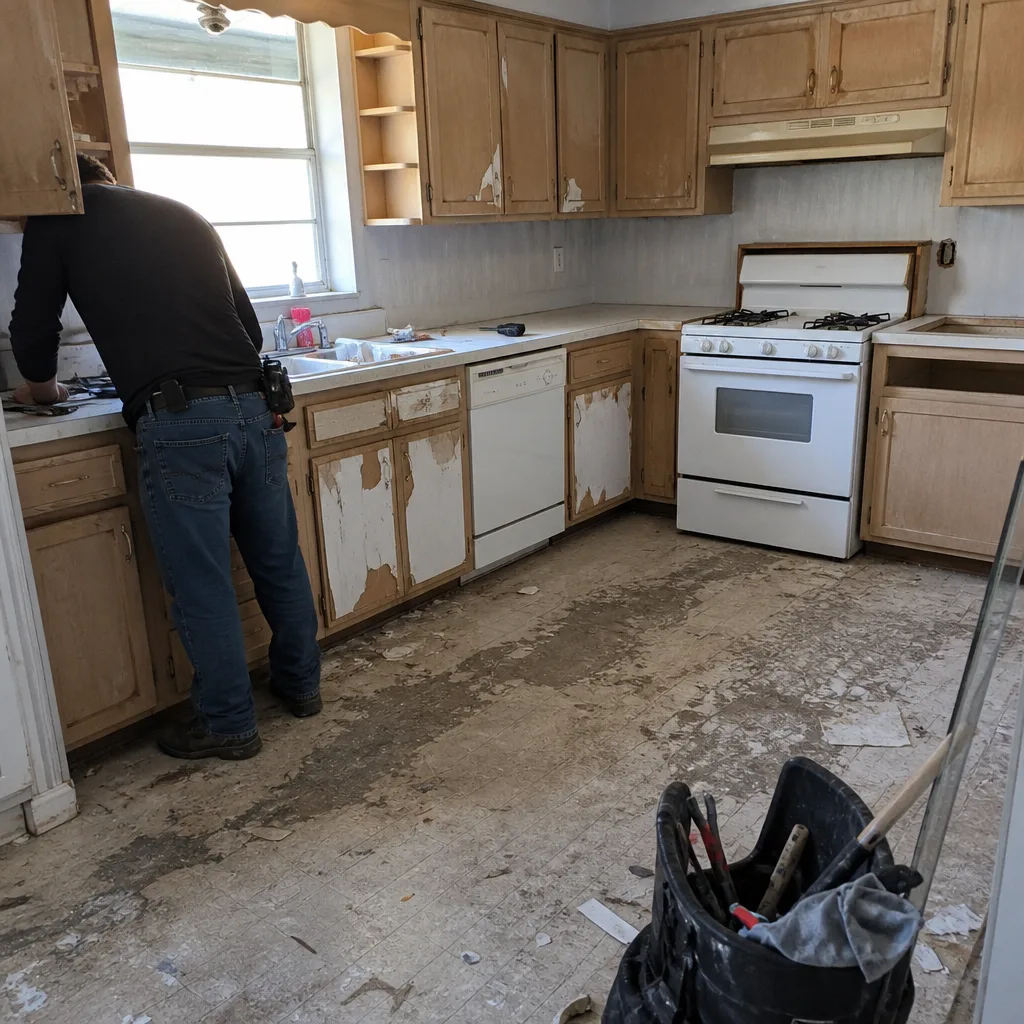 Before
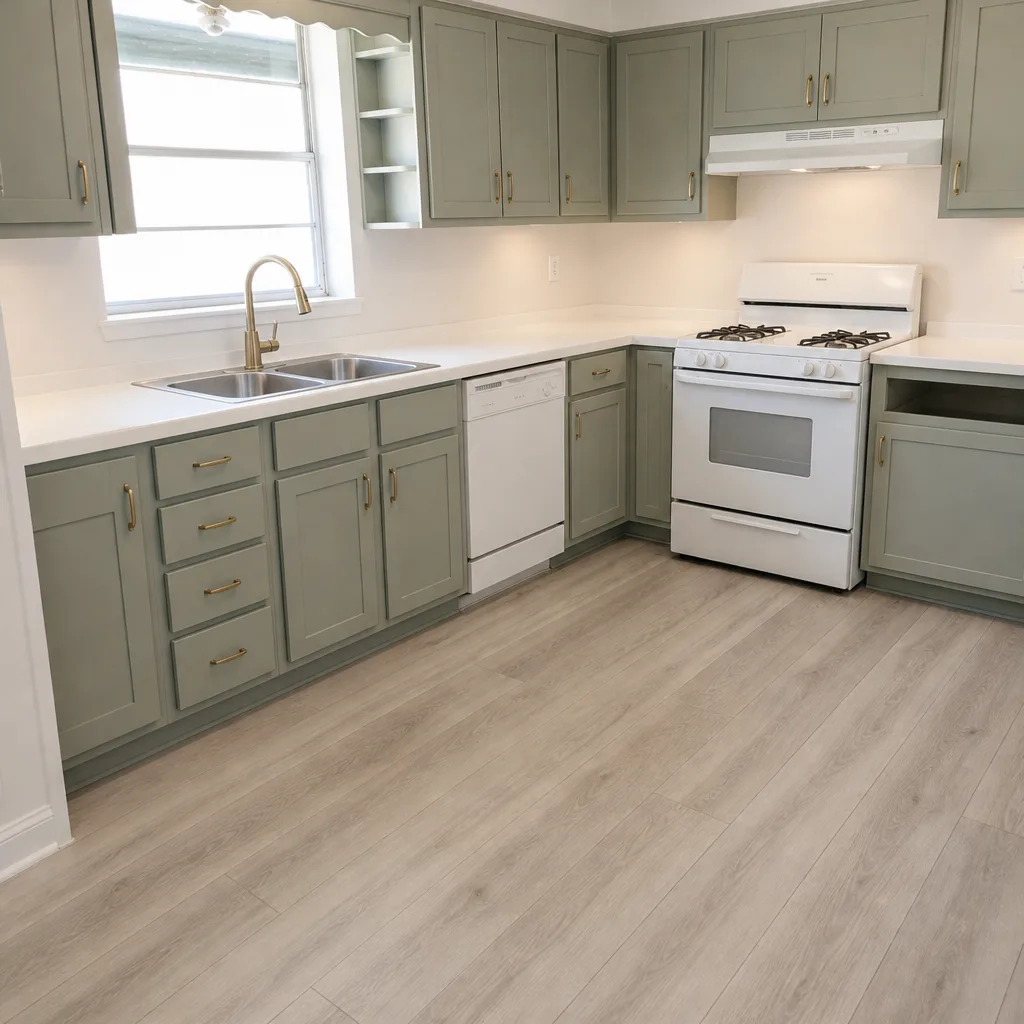 After
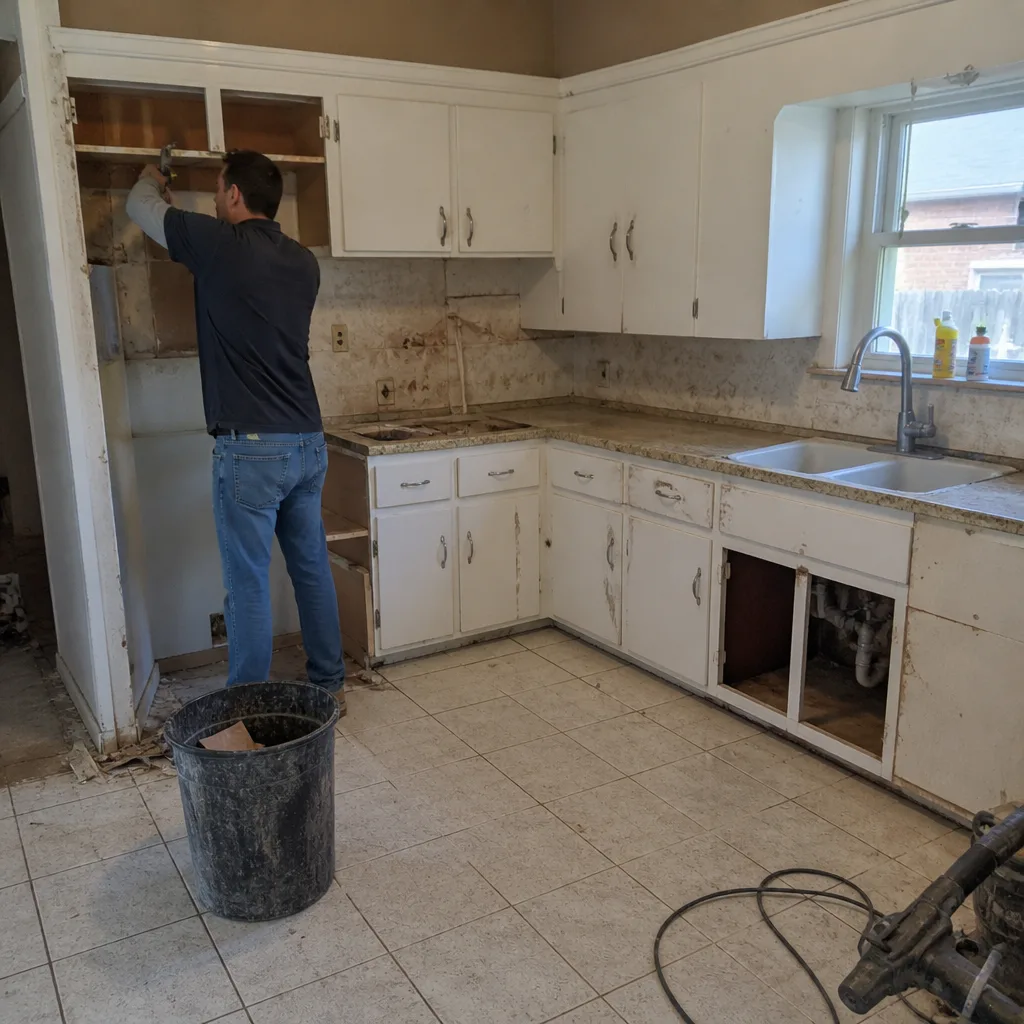 Before
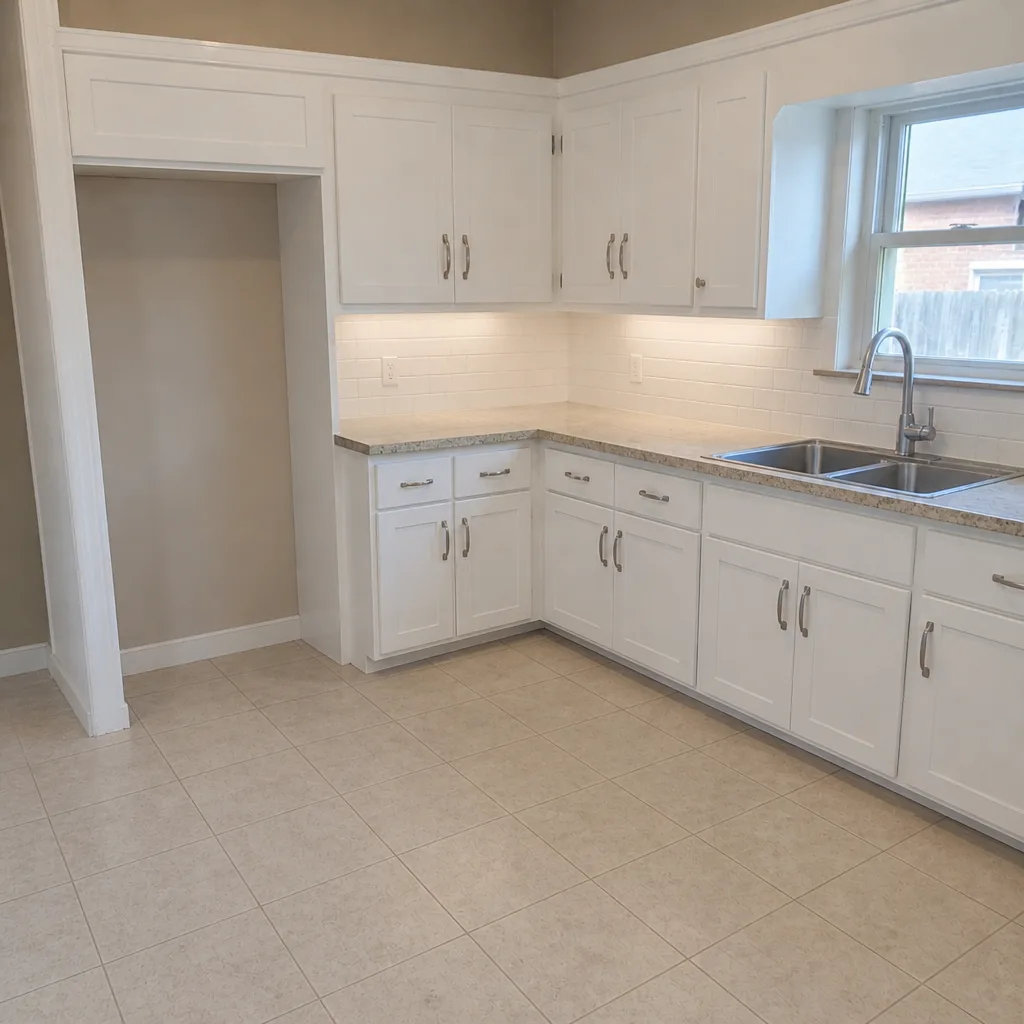 After
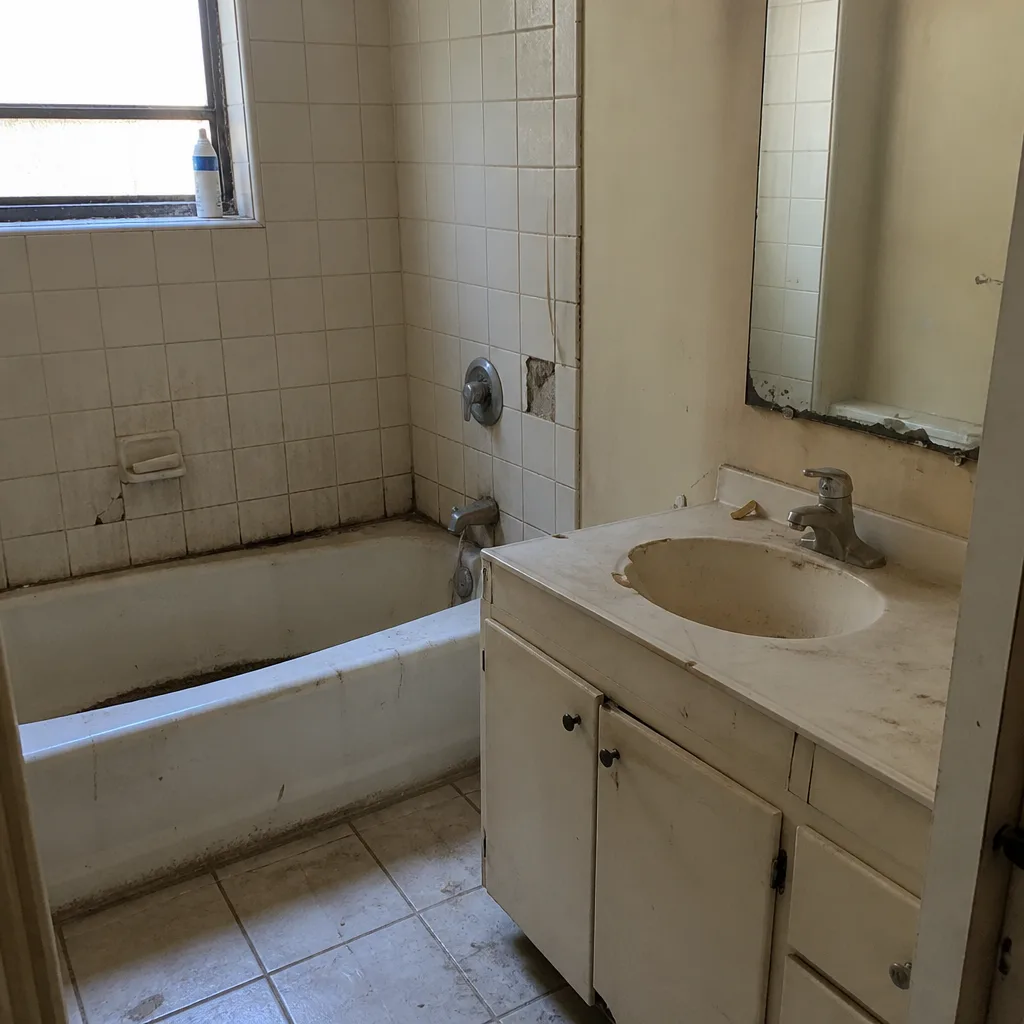 Before
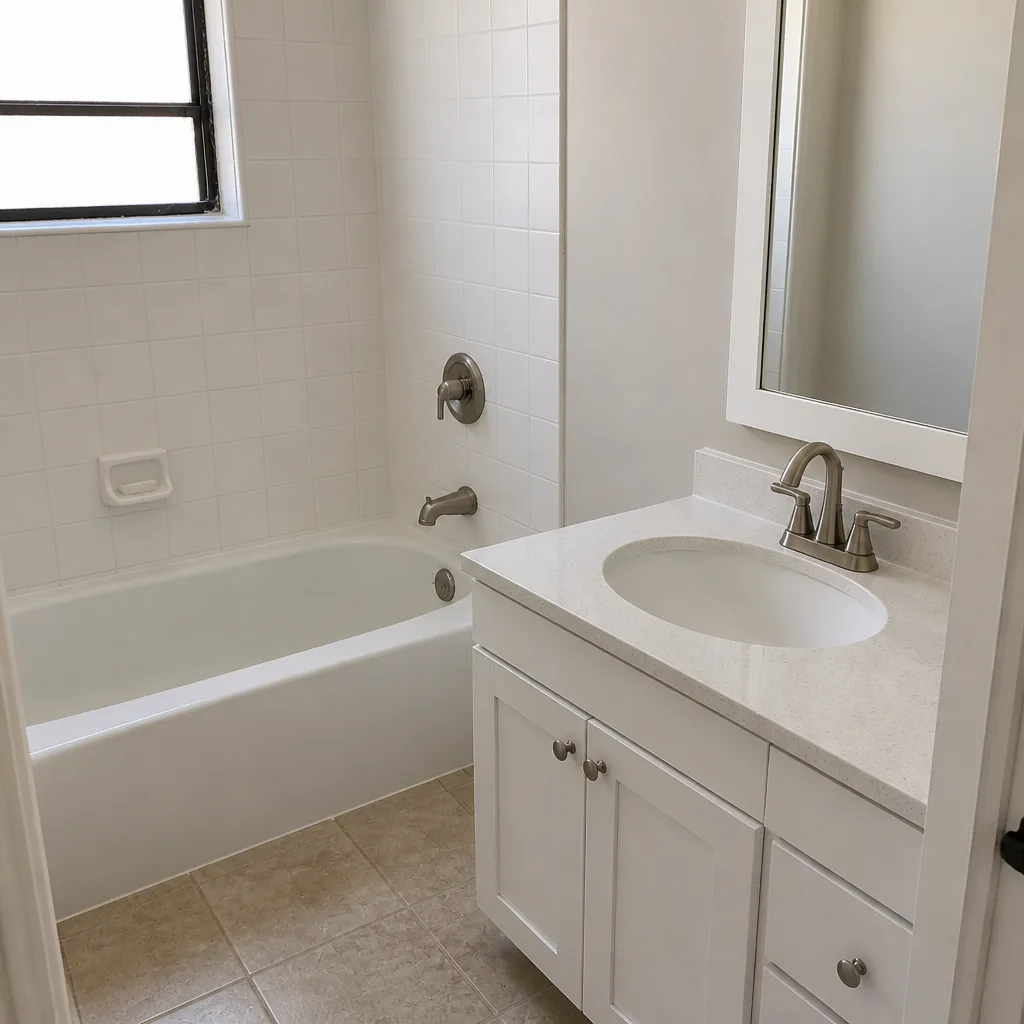 After
How Unpermitted Work Gets Discovered – and What It Costs
Most unpermitted work lives quietly for years. It surfaces in three predictable ways:
During a sale
A buyer’s inspection often catches signs of unpermitted work – a missing permit record, a roof that doesn’t match the county’s record, an added bathroom the county doesn’t know about. Texas requires disclosure of known issues, and the buyer’s lender may require the work be permitted or remediated before closing. Remediation usually means opening walls or roofs for inspection, so the cost is often larger than the original project.
During an insurance claim
When a claim involves unpermitted work, the carrier can deny or reduce coverage. Roof claims, water damage claims, and electrical fire claims are the common scenarios. The homeowner discovers the cost of DIY not at installation but months or years later, exactly when they need coverage most.
Through a neighbor complaint or HOA inspection
McKinney’s HOA-governed neighborhoods have neighbor visibility as a built-in enforcement mechanism. A fence above height, a roof the wrong color, or a detached shed in the wrong spot gets reported to the association. The association notifies the homeowner, and the homeowner pays for removal or compliance. The redo is on the homeowner’s dime, and the original material cost is sunk.
Each of these paths converges on the same truth: the real cost of skipping a permit is the cost of the redo, not the cost of the permit. Permits are inexpensive relative to remediation. It’s the cheapest insurance in the whole project.
North Texas Climate and the Failure Modes of DIY
McKinney’s climate has three specific characteristics that punish work done without trade experience. None of them show up in a YouTube tutorial.
- Summer heat: Long stretches of high heat expand and contract roofing, siding, and exterior caulk joints. Materials installed under the wrong conditions or with the wrong fastener spacing loosen faster here than they would in a cooler market. Shingle class, attic ventilation, and underlayment spec matter more than they seem to.
- Clay soil with shrink-swell behavior: North Texas clay moves meaningfully between wet and dry seasons. That movement is hard on any base that isn’t prepped to resist it. Paver bases, fence posts, and driveway slabs are all vulnerable to DIY shortcuts here. A paver driveway installed on inadequate base fails more distinctly in McKinney than in a sandier market.
- Hail and high wind: Roofing is a high-frequency concern in McKinney. Certified installer status and a documented system warranty make a real difference at claim time, especially after a hailstorm.
These three factors are the reason we recommend matching the material to the project rather than chasing the cheapest line on a quote. A roof for McKinney isn’t the same as a roof for a milder climate; a fence for a clay-heavy lot isn’t the same as a fence on sand. When you look at a written estimate, ask the contractor to explain the material choice in climate terms. If they can’t, that’s your answer. From our side, offering six roofing manufacturers – GAF, CertainTeed, Owens Corning, IKO, Atlas, and Tamko – lets us match the warranty and material to the exposure, instead of pushing whatever one vendor sells.
For a broader view of how we frame these projects across our whole service line, our Construction McKinney page covers the seven categories we handle from the driveway to the roofline. The key is that these categories interact: a kitchen remodel that punches through an exterior wall has a roofing implication, a bathroom remodel often reveals a window that should have been replaced, and an addition touches every trade. Single-contractor scope isn’t just convenient; on multi-phase work it prevents the failure that happens when two trades point at each other after the fact.
Common Mistakes to Avoid
- Assuming the HOA approval is the same as the city permit. They’re two separate gates with different standards, and passing one doesn’t satisfy the other. Pull both threads before you buy materials.
- Buying a roofing material because it’s on sale. Shingle color and profile are governed by HOA rules in most McKinney subdivisions, and certified installer status is a warranty requirement. A sale price doesn’t fix either.
- Skipping the waterproofing detail on a bathroom DIY. Tile and fixtures are visible; the failure is invisible. A shower pan that leaks slowly can cost more than the entire rest of the bathroom.
- Assuming your insurance will cover it either way. Carriers can reduce or deny claims on unpermitted work. Ask about coverage before the work, not after the failure.
- Improper base prep on pavers or fences. North Texas clay is unforgiving. Compaction and post depth are the two specs a DIY job is most likely to shortcut.
- Using a handyman for licensed trade work. Panel work, gas lines, and refrigerant handling require licensed pros in Texas. A general handyman doing electrical panel work is a fire risk, not a savings.
- Not getting the warranty assignment in writing. If a warranty is transferable, it has to be assigned. Ask for it on the estimate, not after the install.
When to Call a Professional
Call a pro when the project needs a permit, when a manufacturer warranty depends on certified installation, when the work touches the building envelope, structural framing, gas, electrical service, or the sealed refrigerant circuit, when your HOA requires architectural review, or when a mistake would take more than a weekend to undo. Those five conditions cover almost every McKinney project where DIY goes wrong. The decision isn’t a judgment on your ability; it’s a judgment on the cost of the redo. On the other side of that line, painting, landscaping, and minor repairs are honest DIY categories and we’re glad to say so. Construction McKinney offers free estimates in McKinney – call (844) 761-9152 to line up yours. We answer 24/7. Fast dispatch from 7am to 7pm, Sunday through Friday.
Frequently Asked Questions
No. Electrical panel replacement and service changes require a licensed electrician and a city permit in McKinney, regardless of your skill level. This is the most dangerous category in home construction; a panel mistake causes fire and electrocution. Call a licensed pro, and if your panel is failing now, call (844) 761-9152 – estimates are free.
Often, yes. Manufacturer system warranties from GAF, CertainTeed, Owens Corning, IKO, Atlas, and Tamko typically require installation by a certified installer following the full install spec, including underlayment and ventilation. If you install a roof yourself, the material warranty may survive but the labor and system warranty usually doesn’t. Call (844) 761-9152 for a warranty-aware estimate.
The association can require removal and replacement at your cost. McKinney has many HOA-governed subdivisions where fence height, spacing, and material are regulated, and the architectural review committee can demand compliance after the fact. Call (844) 761-9152 to price a compliant install before you start.
Yes, generally. Both windows and roofs fall under McKinney’s permit and inspection requirements because they’re part of the building envelope and there are code requirements for installation. Ask the city’s building department for the exact scope of what needs a permit. A written estimate that includes the permit is the cleanest way to keep this simple – call (844) 761-9152.
There’s no single number, because “worth it” depends on the failure risk in each project type. On painting, DIY usually wins. On a bathroom, roof, driveway, or addition, the DIY saves material markup but exposes you to the cost of a redo – often larger than the full contractor estimate. A written estimate is the only honest comparison; ours is free. Call (844) 761-9152 for a line-item quote.
The risk lands on you. If an uninsured worker is injured on your property, you can be exposed to liability. If the work fails inspection, you’re responsible for the remediation. In Texas, some work – electrical panels, gas lines, HVAC refrigerant – requires a licensed pro by law, and paying a handyman for it doesn’t reduce the legal or physical risk. Ask for license and insurance in writing. Call (844) 761-9152 to talk through your project with an insured, licensed partner.
The Bottom Line
The DIY-versus-hire decision in McKinney runs through skill, permit exposure, HOA rules, and warranty conditions – not nerve. Painting, landscaping, and minor repairs are honest DIY. Roofs, windows, bathrooms, driveways, additions, and anything licensed are not, because the failure cost is a redo, not a finish. The cheapest possible insurance is a permit and a certified installer. If your project falls on the pro side of the line, get a written estimate with the permit, the warranty terms, and the material brands named. One contractor can cover the driveways, fences, additions, bathrooms, windows, and kitchens that make up a full McKinney scope, which saves you the coordination problem on top of the trade risk.
Call (844) 761-9152 for a free estimate. We answer 24/7. Fast dispatch from 7am to 7pm, Sunday through Friday. From the driveway to the roofline, we match the material to the project and put the specifics in writing.
Written by the team at Construction McKinney.